
DR B D Verma
About Me
DR B D Verma
MBBS
Cardiologist
10 Years Experience
Biography
My Clinic
OPD Hours
| Monday | Morning | 10:00 AM | - | 02:00 PM |
| Evening | 06:00 PM | - | 09:00 PM | |
| Tuesday | Morning | 10:00 AM | - | 02:00 PM |
| Evening | 06:00 PM | - | 09:00 PM | |
| Wednesday | Morning | 10:00 AM | - | 02:00 PM |
| Evening | 06:00 PM | - | 09:00 PM | |
| Thursday | Morning | 10:00 AM | - | 02:00 PM |
| Evening | 06:00 PM | - | 09:00 PM | |
| Friday | Morning | 10:00 AM | - | 02:00 PM |
| Evening | 06:00 PM | - | 09:00 PM | |
| Saturday | Morning | 10:00 AM | - | 02:00 PM |
| Evening | 06:00 PM | - | 09:00 PM | |
| Sunday | Morning | 10:00 AM | - | 02:00 PM |
| Evening | 06:00 PM | - | 09:00 PM |
Treatments
Specialised care and treatments offered
PREVENTIVE CARDIOLOGY THROUGH EXERCISE PRESCRIPTION

A carefully designed exercise regimen is pivotal in preventing cardiovascular diseases and promoting long-term cardiac wellness. Tailored physical activity enhances cardiac output while reducing established risk factors effectively across all age groups.
ARRHYTHMIA MONITORING AND MANAGEMENT
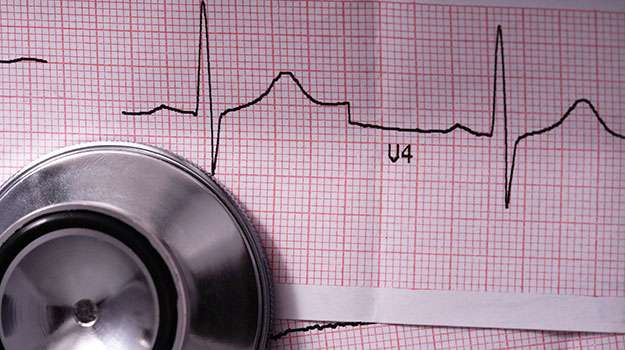
The irregular beating of the heart can range from harmless palpitations to serious conditions requiring intervention. Understanding how arrhythmias are detected and managed enhances patient confidence in treatment plans designed for safe outcomes.
- Causative Factors & Symptoms: Stress, electrolyte imbalances, underlying heart disease may cause fluttering sensations or skipped beats noticed by the patient.
- Evolving Diagnostics: ECGs (electrocardiograms), Holter monitors provide continuous rhythm tracking revealing abnormalities critical for diagnosis and therapy planning.
- Treatment Modalities: Depending on type/severity: lifestyle adjustment (e.g., caffeine reduction), medications like beta-blockers or antiarrhythmics; sometimes procedural interventions are warranted but not always first-line approaches.
HEART FAILURE NUTRITIONAL SUPPORT
A chronic condition where the heart cannot pump blood efficiently requires careful management including attention to nutrition. Appropriate dietary adjustments alleviate symptoms and support overall health in heart failure patients.
- Nutritional Challenges: Fluid retention common in heart failure necessitates controlled salt/sodium consumption to prevent worsening edema or breathlessness.
- Efficacy Measurement: Monitoring weight daily helps detect early signs of fluid buildup indicating dietary adjustments might be needed.
- Dietary Recommendations: Low-sodium meals prepared with fresh ingredients avoiding processed foods; balancing adequate calories while minimizing fluid intake as advised by healthcare professionals.
- Aim of Treatment: Symptom control including fatigue reduction; improved exercise tolerance while supporting cardiac function through optimal nutrition supply.
An individualized nutritional plan forms an integral part of comprehensive care enhancing symptom control in heart failure patients effectively.
CORONARY ARTERY DISEASE LIFESTYLE MANAGEMENT
The narrowing of coronary arteries limits blood flow to the heart muscle causing chest pain and other symptoms. Lifestyle modifications play a significant role alongside medical treatments in managing this condition.
- Symptoms & Causes: Chest discomfort (angina), shortness of breath caused by atherosclerosis due to smoking, poor diet, inactivity.
- Assessment Tools: Stress testing, echocardiograms, angiography used to evaluate severity and guide therapy.
- Lifestyle Interventions: Quitting smoking, adopting a heart-healthy diet low in saturated fats and cholesterol; regular exercise tailored to tolerance levels.
- Treatment Goals: Reduce symptom frequency/severity; prevent progression through risk factor modification combined with medications as needed.
Caring for coronary artery disease through sustainable lifestyle changes can improve quality of life and reduce cardiac event risks significantly over time.
CHOLESTEROL CONTROL
Elevated cholesterol levels contribute to plaque formation in arteries leading to heart disease. Managing cholesterol is vital for preventing complications such as heart attacks.
- Understanding Causes: High intake of saturated fats, sedentary lifestyle, genetic factors contribute to raised cholesterol levels.
- Diagnostic Tests: Blood tests measuring LDL, HDL, and triglycerides help assess cardiovascular risk.
- Treatment Approaches: Diet rich in fruits, vegetables, whole grains; physical activity; medications like statins when lifestyle alone is insufficient.
- Expectations: Gradual improvement over weeks with consistent adherence; regular blood tests to monitor effectiveness.
A proactive approach combining diet and possible medication helps maintain healthy cholesterol levels and protects heart health.
HYPERTENSION MANAGEMENT
Maintaining healthy blood pressure is essential to reduce the risk of heart disease and stroke. Hypertension, or high blood pressure, often shows no symptoms but can cause serious complications if left untreated.
- Causes and Symptoms: Often caused by genetics, lifestyle factors like diet, stress, or obesity; symptoms are usually absent but may include headaches or dizziness.
- Diagnosis: Blood pressure readings taken over time using sphygmomanometers; ambulatory monitoring may be used for accuracy.
- Treatment Options: Lifestyle changes such as reducing salt intake, increasing physical activity, managing stress; medications like ACE inhibitors or beta-blockers if necessary.
- Management: Regular monitoring at home and healthcare visits to track progress and adjust treatment plans accordingly.
With effective management, individuals can keep their blood pressure under control and significantly decrease the risk of cardiovascular events.