
Dr B K Agarwal
About Me
Dr B K Agarwal
MBBS
General Physician
Biography
My Clinic
OPD Hours
| Monday | Morning | 10:00 AM | - | 02:00 PM |
| Evening | 06:00 PM | - | 09:00 PM | |
| Tuesday | Morning | 10:00 AM | - | 02:00 PM |
| Evening | 06:00 PM | - | 09:00 PM | |
| Wednesday | Morning | 10:00 AM | - | 02:00 PM |
| Evening | 06:00 PM | - | 09:00 PM | |
| Thursday | Morning | 10:00 AM | - | 02:00 PM |
| Evening | 06:00 PM | - | 09:00 PM | |
| Friday | Morning | 10:00 AM | - | 02:00 PM |
| Evening | 06:00 PM | - | 09:00 PM | |
| Saturday | Morning | 10:00 AM | - | 02:00 PM |
| Evening | 06:00 PM | - | 09:00 PM | |
| Sunday | Morning | 10:00 AM | - | 02:00 PM |
| Evening | 06:00 PM | - | 09:00 PM |
Treatments
Specialised care and treatments offered
PREVENTIVE CANCER SCREENINGS
Cancer screening tests are designed to detect cancer before symptoms occur. Early detection significantly improves treatment outcomes and survival rates for several types of cancers such as breast or colorectal cancer!
- Risk factors influencing the necessity for screenings may include family history or genetic predisposition among others;
- Common forms of screenings could involve mammograms for women aged 40+ or colonoscopy based on age recommendations starting at 45 years old;
- Physicians usually recommend these procedures based on patient-specific indications while considering personal medical history;
- Screening results will aid in establishing a personalized surveillance plan if any abnormalities are detected leading towards timely interventions!
Being vigilant about preventive screenings fosters significant strides towards long-term wellness!
ANNUAL PHYSICAL EXAM

An annual physical exam is crucial in identifying potential health issues before they become serious. These comprehensive evaluations form a baseline for future reference regarding your overall health status.
- The exam often includes checking vital signs such as heart rate, temperature, weight, and height along with routine laboratory tests for early disease detection.
- A thorough medical history assessment helps identify any risk factors pertinent to chronic illnesses like heart disease or diabetes;
- Your physician will discuss lifestyle choices such as diet, physical activity level, alcohol consumption, smoking habits during this visit;
- Following the examination results will guide you on necessary treatments or recommendations moving forward ensuring optimal health maintenance;
Committing to an annual check-up fosters ongoing awareness about maintaining good health!
VACCINATIONS

Immunizations play an essential role in preventing various diseases. Staying up-to-date with vaccinations protects both individual health and public safety by reducing the spread of infectious diseases.
- The specific vaccines recommended may depend on age, health conditions, and travel plans; these can include seasonal flu shots or more specific immunizations based on exposure risk.
- Your doctor uses thorough assessments including vaccination history during routine exams to determine which vaccines are suitable for you.
- Most vaccines enhance immunity against contagious diseases by stimulating the body’s natural defense mechanisms; some might require boosters over time for continued effectiveness;
- This preventive strategy not only safeguards personal health but also helps protect those around you by contributing to herd immunity.
Regular consultations ensure that you remain on track with required vaccinations throughout your life stages!
CHOLESTEROL MANAGEMENT
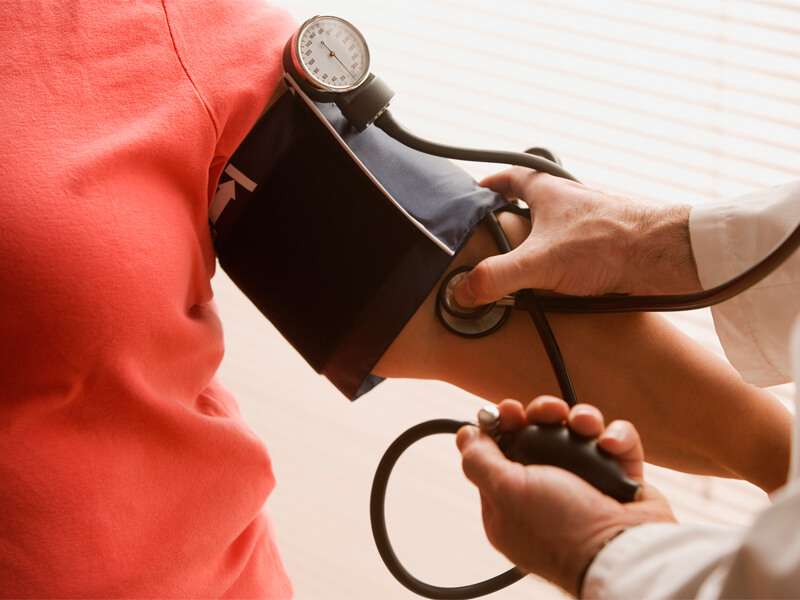
High cholesterol is a significant risk factor for heart disease. Understanding your lipid levels through regular checks is vital for heart health protection.
- You might not experience direct symptoms; hence screenings are often the only way to know if cholesterol levels are elevated.
- A blood test known as a lipid panel will measure total cholesterol, LDL (bad), HDL (good), and triglycerides.
- Treatment typically focuses on lifestyle changes like improved diet and exercise but may also include medications if necessary;
- It's important to schedule follow-up tests regularly to monitor levels after initiating treatment or making lifestyle changes.
A proactive approach allows you to take control of your cardiovascular health effectively!
DIABETES SCREENING

Diabetes is a metabolic condition that affects how your body processes glucose. Early detection through regular screening is crucial for effective management and prevention of complications.
- Common symptoms of diabetes include increased thirst, frequent urination, fatigue, and blurred vision.
- Your physician may conduct blood tests to diagnose diabetes or prediabetes during routine check-ups or specific screening visits.
- If diagnosed, lifestyle modifications along with medications can help manage the condition effectively.
- Regular monitoring of blood sugar levels is essential for successful management of diabetes.
By staying proactive with screening, you can identify risks early and take action to maintain your health.
HYPERTENSION MANAGEMENT

Hypertension, or high blood pressure, is a prevalent condition that can lead to serious health issues if left unmanaged. It often develops over many years and can affect anyone. Regular monitoring and appropriate lifestyle changes can help in keeping it under control.
- Symptoms may include headaches, shortness of breath, or nosebleeds, though many individuals experience no symptoms at all.
- Diagnosing hypertension typically involves a simple blood pressure measurement taken at your healthcare provider's office.
- Treatment options include lifestyle adjustments such as diet and exercise, as well as medications if necessary to maintain healthy blood pressure levels.
- Management also includes regular follow-up appointments to monitor progress and make any necessary adjustments to treatment plans.
Taking steps towards managing hypertension early can significantly improve your overall health and quality of life.