
Dr B K Goyal
About Me
Dr B K Goyal
Cardiologist
Biography
My Clinic
OPD Hours
| Tuesday | Morning | 10:00 AM | - | 02:00 PM |
| Evening | 06:00 PM | - | 09:00 PM | |
| Wednesday | Morning | 10:00 AM | - | 02:00 PM |
| Evening | 06:00 PM | - | 09:00 PM | |
| Thursday | Morning | 10:00 AM | - | 02:00 PM |
| Evening | 06:00 PM | - | 09:00 PM | |
| Friday | Morning | 10:00 AM | - | 02:00 PM |
| Evening | 06:00 PM | - | 09:00 PM | |
| Saturday | Morning | 10:00 AM | - | 02:00 PM |
| Evening | 06:00 PM | - | 09:00 PM | |
| Sunday | Morning | 10:00 AM | - | 02:00 PM |
| Evening | 06:00 PM | - | 09:00 PM | |
| Thursday | Morning | 10:00 AM | - | 02:00 PM |
| Evening | 06:00 PM | - | 09:00 PM |
Treatments
Specialised care and treatments offered
HEART DISEASE RISK ASSESSMENT

A comprehensive risk assessment for heart disease evaluates multiple factors influencing cardiovascular health. This assessment helps identify individuals at elevated risk based on their unique medical history and lifestyle choices
.- Key Factors Considered: Family history of cardiac issues along with personal behaviors like smoking or inactivity play significant roles in determining potential risks.
- Testing Methods: This might include blood tests measuring glucose levels alongside lipid panels assessing cholesterol ratios relevant toward predicting future incidents encompassing coronary artery disease among others.
- Preventive Strategies Developed: Based upon evaluated data gathered from assessments tailored interventions focusing upon fitness regimens/ dietary planning will be created accordingly aligning each patient’s individual requirements / goals pertinent towards achieving optimal well-being over time!
A structured plan following this assessment facilitates targeted efforts aimed at mitigating chances linked directly towards developing adverse outcomes concerning overall cardiovascular functioning!
ATHEROSCLEROSIS SCREENING
Atherosclerosis is a condition characterized by the hardening of arteries due to plaque buildup. Early detection is vital as it allows for timely interventions that can prevent serious complications such as heart attacks or strokes.
- Risk Factors: Common contributors include smoking, high cholesterol levels, obesity, poor diet, and sedentary lifestyle choices.
- Symptoms: Typically silent until advanced stages; chest pain or shortness of breath may occur during exertion.
- Diagnosis: Screening methods may include ultrasound imaging or angiography to assess arterial health.
- Treatment Options: Lifestyle change recommendations focus on diet modification (lower saturated fats), regular exercise regimes alongside possible medication use like statins.
Proactively managing these factors aids in reducing risks related directly to atherosclerosis over time.
HEART HEALTH COUNSELING
Counseling focused on heart health empowers patients to make informed decisions about their cardiovascular well-being. It encompasses education about lifestyle changes that bolster heart function over time.
- Main Focus Areas: Nutrition education, exercise programs tailored to individual needs, and smoking cessation support can be integral aspects of counseling sessions.
- The Importance of Understanding Risks: Knowing personal risk factors enables proactive management approaches against heart disease progression.
- Coping Strategies: Stress management techniques can significantly impact overall cardiovascular health; mental well-being is an important aspect of heart care too!
This enlightening process not only improves patient knowledge but fosters healthier habits that contribute positively to long-term cardiac health outcomes.
ELECTROCARDIOGRAM (ECG)
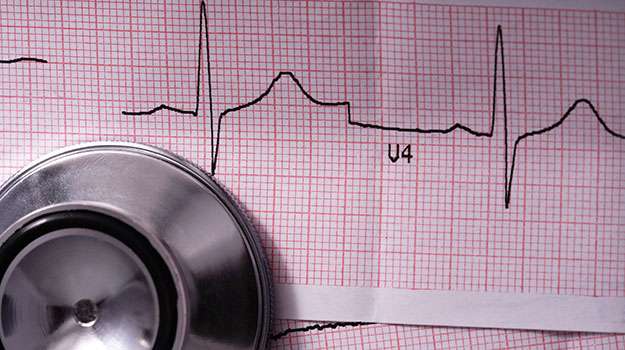
An electrocardiogram (ECG) is a key diagnostic tool used to assess heart health by recording electrical signals from the heart. It is crucial in detecting arrhythmias and other cardiac conditions early on.
- Purpose: ECGs help identify irregular heartbeats, blockages in the heart's electrical pathways, and signs of previous heart attacks.
- Disease Risk Factors: Conditions such as high blood pressure or diabetes increase the need for regular ECGs for early intervention.
- The Process: The test involves placing small electrode patches on the skin; it causes little discomfort and takes only minutes to complete.
- Interpretation: Your healthcare provider will analyze the results to recommend further tests or treatments if abnormalities are detected.
This simple yet effective test plays a vital role in preventive care within cardiology practice.
CHOLESTEROL SCREENING
An important component of cardiovascular health is maintaining optimal cholesterol levels. High cholesterol can lead to plaque buildup in arteries, increasing the risk of heart disease.
- Symptoms: Generally asymptomatic until severe; may show signs through chest pain or fatigue later on.
- Diagnosis: A lipid panel blood test measures total cholesterol and specific types like LDL and HDL cholesterol.
- Treatment Options: Recommendations typically include dietary adjustments, increased physical activity, and possibly statin medications for those with markedly high levels.
- Managing Levels: Lifestyle modifications are crucial; incorporating healthy fats and fiber in your diet can help lower cholesterol levels.
Your cardiovascular health hinges on regularly checking your cholesterol levels to take preventive action when needed.
HYPERTENSION MANAGEMENT
Hypertension, also known as high blood pressure, is a common condition that can lead to serious health problems if left untreated. It often has no noticeable symptoms, making regular monitoring essential for prevention.
- Causes: Factors contributing to hypertension include obesity, lack of physical activity, a high-sodium diet, and genetics.
- Symptoms: While often asymptomatic, it can sometimes cause headaches, shortness of breath, or nosebleeds.
- Diagnosis: Blood pressure readings are taken during routine check-ups; a reading consistently above 130/80 mmHg indicates hypertension.
- Treatment Options: Management may involve lifestyle changes such as diet and exercise, alongside medications like ACE inhibitors or beta-blockers.
- What to Expect: Regular monitoring and follow-up appointments will help manage your condition effectively.
A proactive approach can significantly reduce the risks associated with hypertension.