
Dr B L Choudhary
About Me
Dr B L Choudhary
MBBS
General Physician
10 Years Experience
Biography
My Clinic
OPD Hours
| Monday | Morning | 10:00 AM | - | 02:00 PM |
| Evening | 06:00 PM | - | 09:00 PM | |
| Tuesday | Morning | 10:00 AM | - | 02:00 PM |
| Evening | 06:00 PM | - | 09:00 PM | |
| Wednesday | Morning | 10:00 AM | - | 02:00 PM |
| Evening | 06:00 PM | - | 09:00 PM | |
| Thursday | Morning | 10:00 AM | - | 02:00 PM |
| Evening | 06:00 PM | - | 09:00 PM | |
| Friday | Morning | 10:00 AM | - | 02:00 PM |
| Evening | 06:00 PM | - | 09:00 PM | |
| Saturday | Morning | 10:00 AM | - | 02:00 PM |
| Evening | 06:00 PM | - | 09:00 PM | |
| Sunday | Morning | 10:00 AM | - | 02:00 PM |
| Evening | 06:00 PM | - | 09:00 PM |
Treatments
Specialised care and treatments offered
ELECTROCARDIOGRAM (ECG) EVALUATION
An electrocardiogram (ECG) is a simple yet powerful diagnostic test that records the electrical activity of the heart. It provides valuable insight into cardiac function which aids in early disease detection or ongoing heart condition monitoring.
- Why it's done: To detect arrhythmias , ischemic heart disease , previous myocardial infarctions , or other conduction abnormalities .
- Test procedure: Small electrode patches are placed on chest , arms , and legs; the procedure is fast , painless , generally lasting only minutes .
- Interpretation : The wave patterns generated help physicians assess rhythm irregularities , heart chamber enlargement , electrolyte imbalances amongst others .
- Follow-up : Based on ECG findings additional testing like stress tests may be advised ; treatment depends on underlying cause identified .
Regular ECG screenings especially in high-risk individuals facilitate timely medical decision-making reducing chances of severe cardiac events .
THYROID FUNCTION TESTING

The thyroid gland plays an essential role in regulating metabolism via hormone secretion. Functional disorders can significantly impact general well-being if left undiagnosed or untreated timely.
- Disease indicators: Symptoms such as unexplained weight gain/loss, fatigue, temperature sensitivity suggest possible hypothyroidism or hyperthyroidism respectively.
- Labs involved: Blood tests measuring TSH (thyroid-stimulating hormone), free T3 & T4 hormones evaluate thyroid performance accurately.
- Treatment plan variations:* Depending upon results treatment might involve hormone replacement therapy for hypothyroidism or anti-thyroid drugs for hyperthyroidism cases monitored regularly by healthcare providers.*
ROUTINE HEALTH CHECKUPS
A routine health checkup is vital for maintaining wellness by identifying potential health problems before symptoms appear. It serves as a comprehensive evaluation tool across all body systems.
- Main components include: Vital sign measurement, basic lab tests (blood glucose, cholesterol), urine analysis, and physical examination tailored to patient age and history.
- Purposes served: Early detection of chronic conditions like hypertension or diabetes along with cancer screening where appropriate.
- User benefits: Helps in counseling about lifestyle choices beneficial for long-term health maintenance including diet and exercise guidance.
- Simplified planning: Provides a baseline for future comparisons ensuring timely interventions whenever necessary based on findings during the checkup visit.
This proactive approach enhances quality of life by encouraging prevention rather than just reactive treatment strategies in healthcare management.
RESPIRATORY INFECTION ASSESSMENT
The respiratory system is prone to infections which can range from mild colds to severe pneumonia. Understanding signs early assists in appropriate treatment decisions.
- Symptoms involved: Cough, fever, sore throat, shortness of breath depending on infection type.
- Diagnostic methods: Physical examination coupled with chest X-rays or sputum analysis when necessary helps pinpoint the diagnosis.
- Treatments available: Supportive care such as hydration and rest, antiviral or antibiotic medications depending on causative agent identification.
- Prognosis considerations: Most infections resolve with proper care; chronic respiratory conditions require further specialist consultation if symptoms persist or worsen.
Catching respiratory infections promptly enables effective relief of symptoms while preventing progression into more serious health conditions.
DIABETES MELLITUS SCREENING AND CARE

Diabetes mellitus is a metabolic disorder characterized by high blood sugar levels due to insulin issues. Early detection is crucial in managing the illness and preventing complications.
- Signs and causes: Increased thirst, frequent urination, fatigue; risk factors include obesity and family history.
- Diagnosis techniques: Blood tests such as fasting glucose level and HbA1c provide confirmation of diabetes status.
- Treatment approaches: Lifestyle changes including diet control and physical activity combined with oral hypoglycemics or insulin therapy when required.
- Lifelong management: Regular monitoring for blood sugar control along with screening for potential complications like neuropathy or kidney damage.
The goal is to empower patients through education and treatment adherence for better long-term outcomes with diabetes management.
HYPERTENSION MANAGEMENT

High blood pressure, or hypertension, is a common condition that requires careful monitoring to prevent complications. It often develops over years without noticeable symptoms but can lead to serious health issues if untreated.
- Causes and symptoms: Often linked to lifestyle factors like diet, stress, and genetics; symptoms may be absent or include headaches and dizziness.
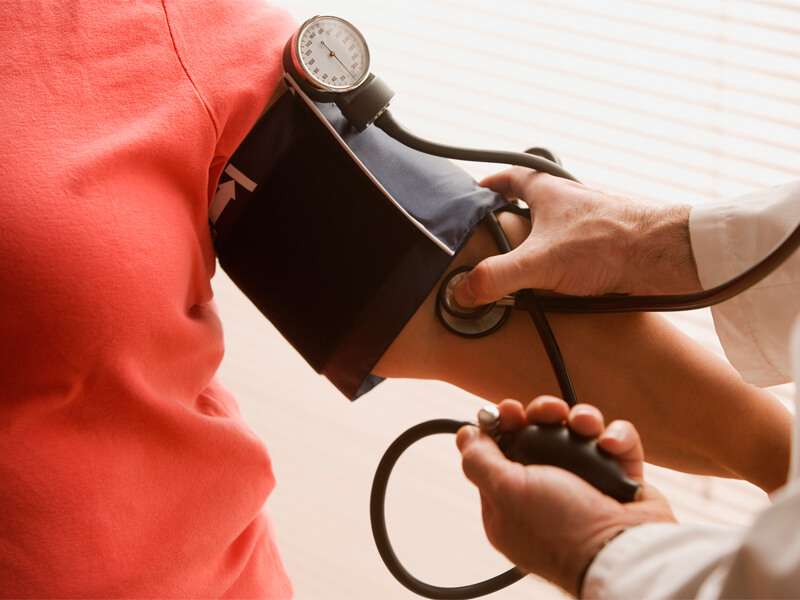
- Diagnostic process: Regular blood pressure readings using a sphygmomanometer, sometimes supplemented by ambulatory monitoring.
- Treatment options: Lifestyle modifications such as diet and exercise, along with antihypertensive medications tailored to patient needs.
- Management goals: Maintaining blood pressure within target range to reduce risks of heart disease and stroke.
Effective control of hypertension involves ongoing evaluation and adherence to prescribed treatments to safeguard overall cardiovascular health.