
Dr B L Verma
About Me
Dr B L Verma
MBBS
General Physician
Biography
My Clinic
OPD Hours
| Monday | Morning | 10:00 AM | - | 02:00 PM |
| Evening | 06:00 PM | - | 09:00 PM | |
| Tuesday | Morning | 10:00 AM | - | 02:00 PM |
| Evening | 06:00 PM | - | 09:00 PM | |
| Wednesday | Morning | 10:00 AM | - | 02:00 PM |
| Evening | 06:00 PM | - | 09:00 PM | |
| Thursday | Morning | 10:00 AM | - | 02:00 PM |
| Evening | 06:00 PM | - | 09:00 PM | |
| Friday | Morning | 10:00 AM | - | 02:00 PM |
| Evening | 06:00 PM | - | 09:00 PM | |
| Saturday | Morning | 10:00 AM | - | 02:00 PM |
| Evening | 06:00 PM | - | 09:00 PM | |
| Sunday | Morning | 10:00 AM | - | 02:00 PM |
| Evening | 06:00 PM | - | 09:00 PM |
Treatments
Specialised care and treatments offered
RESPIRATORY HEALTH ASSESSMENT
Respiratory conditions affect millions globally; hence comprehensive respiratory assessments help detect issues early which leads toward appropriate interventions aimed at improving quality of life & longevity!
- Symptoms such as persistent coughs/chest discomfort should prompt immediate evaluation alongside common allergens being monitored closely
- Common diagnostic procedures range through lung function testing/ imaging studies directed by patient’s clinical presentation & history gathered during visits
- Treatment plans often incorporate inhalants/ oral medications depending severity along with rehabilitation programs targeted towards enhancing lung capacity trends observed over time .
- Consistent follow-ups allow monitoring efficacy regarding treatment adjustments whether medicinal or non-medicinal approaches utilized regularly .
- Enhancing respiratory function has profound effects positively impacting daily activities enriching lifestyles overall !
Proactive measures taken towards respiratory care result ultimately making healthier breathing habits possible benefiting individuals immensely regardless underlying challenges faced throughout their lives .
PREVENTIVE VACCINATIONS

Vaccinations are crucial tools in preventing infectious diseases. Staying up-to-date with recommended vaccines not only protects individual health but also contributes to community immunity against outbreaks.
- Common vaccines include those for influenza, pneumonia, hepatitis B; infections like measles depend heavily on immunization rates within populations!
- Dosing schedules will vary based upon age group - both children & adults require specific vaccinations at designated times!
- The assessment includes reviewing existing vaccination records during routine appointments followed by recommendations based off latest guidelines from reliable sources!
- For adults who receive multi-dose vaccines like HPV & shingles series—ensure complete coverage according required timelines
- Following proper vaccination schedules safeguards against preventable illnesses ensuring better public wellness overall!
Keeping vaccinations current significantly mitigates threats posed by contagious diseases especially among vulnerable populations throughout society
ANNUAL HEALTH CHECK-UP
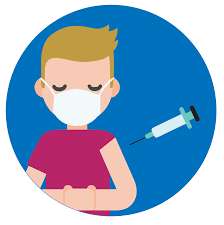
An annual health check-up serves as an essential preventive measure that allows for early identification of potential health issues before they develop into more serious conditions. Regular evaluations are key in maintaining good health throughout life stages.
- Typical components include full physical examinations alongside vital sign assessments such as weight, blood pressure, pulse rate, etc.
- Labs may perform various screenings; common tests assess glucose levels, cholesterol profiles, liver function among others depending on age profile and risk factors identified!
- A comprehensive review of family history provides insights into hereditary risks that might warrant early interventions or preventive strategies
CHOLESTEROL MANAGEMENT
High cholesterol is a significant risk factor for heart disease but does not always present noticeable symptoms. Regular cholesterol screenings are important for early detection and management of this silent condition.
- The primary causes include poor diet, lack of exercise, obesity, smoking, and genetics.
- Diagnosis is typically made through blood tests measuring total cholesterol levels as well as LDL (bad) and HDL (good) cholesterol types.
- Treatment options may involve lifestyle changes such as adopting a heart-healthy diet rich in fiber along with regular physical activity; medications may also be prescribed if necessary.
- Persistent monitoring allows for adjustments in therapy based on cholesterol levels' response to initial treatments.
- Aim for balanced cholesterol levels reduces the risk of developing cardiovascular diseases significantly over time.
Effective management can enhance longevity and contribute positively to overall wellbeing.
DIABETES SCREENING AND MANAGEMENT

Diabetes is a chronic condition that affects how your body processes blood sugar (glucose). Early detection through screening is essential for effective management and maintaining optimal health.
- Key symptoms include increased thirst, frequent urination, extreme fatigue, and blurred vision.
- Diagnosis usually involves fasting blood sugar tests or HbA1c tests performed during routine health evaluations.
- Management strategies often encompass dietary changes, regular physical activity, and medication when necessary to regulate blood glucose levels.
- Patients are encouraged to self-monitor their blood sugar levels regularly to ensure they remain within target ranges.
- An ongoing relationship with a healthcare provider can help in adjusting treatment plans based on individual needs over time.
Taking charge of diabetes can lead to better health outcomes and the prevention of complications associated with the disease.
HYPERTENSION MANAGEMENT
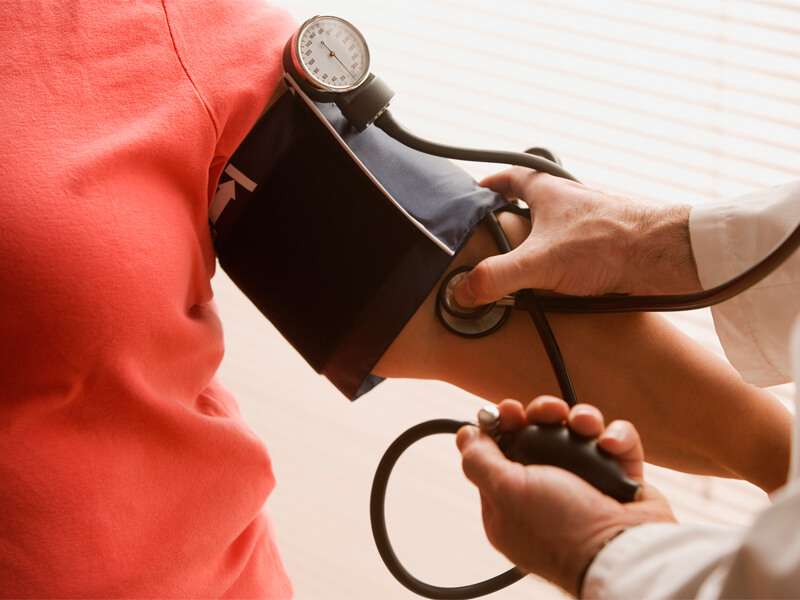
Hypertension, commonly known as high blood pressure, is a prevalent medical condition that can lead to serious health complications if left unmanaged. This condition often develops over many years and may not present noticeable symptoms initially, which makes regular check-ups vital.
- Common symptoms may include headaches, shortness of breath, or nosebleeds, although many individuals experience none at all.
- Diagnosis typically involves measuring blood pressure using a sphygmomanometer during routine visits.
- Treatment options may include lifestyle modifications such as diet and exercise, along with medications like diuretics or ACE inhibitors as needed.
- Regular monitoring is crucial; patients should expect periodic assessments to adjust treatment plans accordingly.
- Managing hypertension effectively can significantly reduce the risk of heart disease and stroke.
A proactive approach to managing hypertension can lead to improved overall health and quality of life.