
Dr B Lal Clinic
About Me
Dr B Lal Clinic
MD
Internal Medicine
10 Years Experience
Biography
My Clinic
OPD Hours
| Monday | Morning | 10:00 AM | - | 02:00 PM |
| Evening | 06:00 PM | - | 09:00 PM | |
| Tuesday | Morning | 10:00 AM | - | 02:00 PM |
| Evening | 06:00 PM | - | 09:00 PM | |
| Wednesday | Morning | 10:00 AM | - | 02:00 PM |
| Evening | 06:00 PM | - | 09:00 PM | |
| Thursday | Morning | 10:00 AM | - | 02:00 PM |
| Evening | 06:00 PM | - | 09:00 PM | |
| Friday | Morning | 10:00 AM | - | 02:00 PM |
| Evening | 06:00 PM | - | 09:00 PM | |
| Saturday | Morning | 10:00 AM | - | 02:00 PM |
| Evening | 06:00 PM | - | 09:00 PM | |
| Sunday | Morning | 10:00 AM | - | 02:00 PM |
| Evening | 06:00 PM | - | 09:00 PM |
Treatments
Specialised care and treatments offered
HYPERLIPIDEMIA
This condition signifies elevated lipid levels in the bloodstream—specifically cholesterol—and poses significant risks for cardiovascular disease. Awareness surrounding hyperlipidemia can greatly contribute towards proactive management strategies aimed at reducing potential heart-related illnesses down the line .
- Causes : Typical contributors encompass genetic factors excessive intake unhealthy fats lack of regular exercise increasing both LDL bad cholesterol while lowering HDL good levels raising overall risk profiles .
- Symptoms : Most individuals do not exhibit clear symptoms unless accompanied by an event like stroke/heart attack therefore it’s considered silent until diagnosed through routine testing .
- Diagnosis : Lipid panels provide insights into current blood lipid concentrations allowing adequate preventative measures tailored accordingly .
- Management options : Treatment focuses primarily on lifestyle modifications alongside possible statin use facilitating improved balance among lipids promoting cardiovascular health overall .
DIABETES MELLITUS - TYPE 2
This common form of diabetes occurs when the body becomes resistant to insulin or doesn't produce enough insulin. Recognizing its symptoms early allows for effective management strategies that can prevent complications long-term.
- Symptoms: The most prevalent symptoms include increased thirst and hunger levels along with frequent urination; many people may also experience fatigue without clear reasons.
- Diagnosis: Blood glucose testing is essential for confirming Type 2 diabetes through fasting plasma glucose tests or A1C levels measured over time.
- Treatment plans: Management usually involves dietary alterations combined with regular physical activity along with possible medication options such as metformin if necessary.
- Ongoing monitoring: Regular check-ups help ensure control over blood sugar levels while preventing further health issues related consistent elevations.
Through lifestyle changes paired alongside proper medicinal support most individuals attain solid control over their diabetes leading productive lives
HEART FAILURE
This chronic condition arises when the heart cannot pump blood effectively. Heart failure can result from various factors such as coronary artery disease or high blood pressure. Understanding this condition helps patients manage their health more effectively.
- Symptoms: Symptoms often include persistent coughing or wheezing, abnormal swelling in legs or abdomen due to fluid build-up, fatigue during activities or even at rest.
- Causative factors: Various underlying issues could contribute including heart valve disease or previous heart attacks leading to compromised heart function.
- Treatment methods: Management strategies may involve medications such as ACE inhibitors or beta-blockers aimed at improving heart efficiency along with lifestyle adjustments like diet changes.
A proactive approach helps mitigate risks associated with this serious condition while enabling individuals to maintain a better quality of life after diagnosis
CHRONIC OBSTRUCTIVE PULMONARY DISEASE (COPD)
COPD is a progressive lung disease that makes breathing difficult. It encompasses conditions like emphysema and chronic bronchitis. Early intervention can significantly impact quality of life for those affected by this ailment.
- Symptoms: Key indicators include chronic cough, shortness of breath during physical activities, and wheezing.
- Diagnosis: A healthcare provider conducts lung function tests along with medical history reviews to diagnose COPD accurately.
- Treatment approaches: Management often includes bronchodilators, inhaled steroids, and pulmonary rehabilitation programs tailored to individual needs.
- Lifestyle modifications: Quitting smoking is crucial; additional measures can include avoiding pollutants and maintaining regular exercise under supervision.
A comprehensive management plan aids in slowing down disease progression and enhancing daily living activities for patients with COPD.
ACUTE RENAL FAILURE
Acute renal failure (ARF) occurs when the kidneys suddenly become unable to filter waste products from the blood. This serious condition requires immediate attention as it can lead to dangerous levels of waste accumulation in the body.
- Causes: Common causes include dehydration, certain medications, and severe infections.
- Symptoms: Patients may experience decreased urine output, swelling in legs or ankles due to fluid retention, fatigue, and confusion.
- Diagnosis: Blood tests to measure creatinine levels and urinalysis are essential in diagnosing ARF.
- Treatment options: Treatments may involve medication management and temporary dialysis in severe cases while addressing the underlying cause.
- What to expect: Many patients see improvement with prompt treatment; however, some may require long-term monitoring depending on kidney function recovery.
This condition emphasizes the importance of recognizing early symptoms for better outcomes.
PNEUMONIA
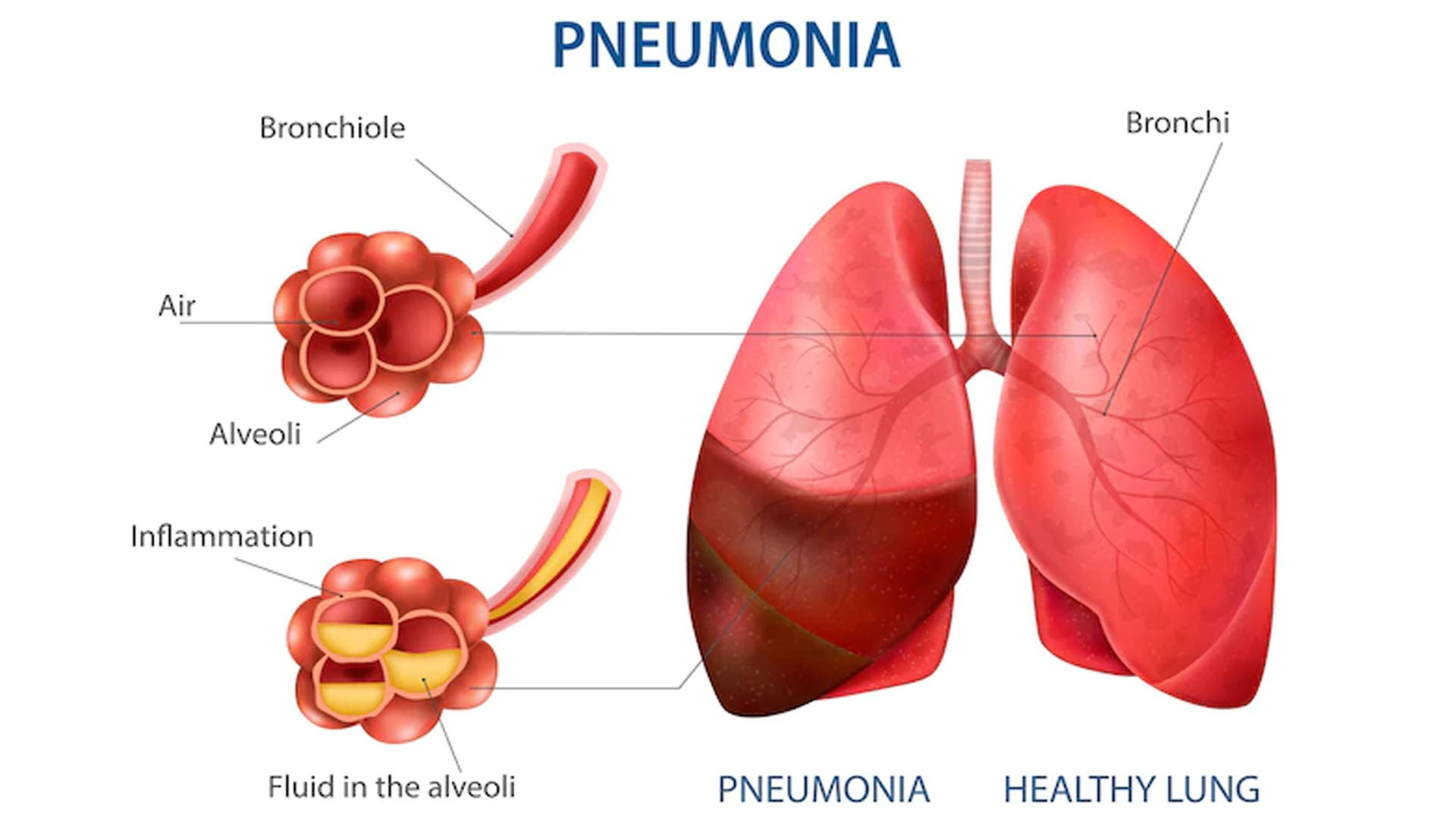
Pneumonia is an infection that inflames the air sacs in one or both lungs, which can fill with fluid. This condition can be caused by various organisms, including bacteria, viruses, and fungi. Recognizing the symptoms early is crucial for timely treatment.
- Symptoms: Common signs include cough, fever, chills, and difficulty breathing.
- Diagnosis: Physicians typically perform a physical examination, chest X-rays, and laboratory tests to confirm pneumonia.
- Treatment: Depending on the cause, treatments may involve antibiotics for bacterial pneumonia or antiviral medications for viral cases.
- Management: Adequate rest and hydration are essential, alongside following the prescribed treatment plan.
- What to expect: With appropriate care, most individuals start feeling better within a few days; however, recovery may take longer in severe cases.
Prompt diagnosis and treatment are vital to prevent complications associated with pneumonia.