
Dr B P Chavan
About Me
Dr B P Chavan
Cardiologist
Biography
My Clinic
OPD Hours
| Monday | Morning | 10:00 AM | - | 02:00 PM |
| Evening | 06:00 PM | - | 09:00 PM | |
| Tuesday | Morning | 10:00 AM | - | 02:00 PM |
| Evening | 06:00 PM | - | 09:00 PM | |
| Wednesday | Morning | 10:00 AM | - | 02:00 PM |
| Evening | 06:00 PM | - | 09:00 PM | |
| Thursday | Morning | 10:00 AM | - | 02:00 PM |
| Evening | 06:00 PM | - | 09:00 PM | |
| Friday | Morning | 10:00 AM | - | 02:00 PM |
| Evening | 06:00 PM | - | 09:00 PM | |
| Saturday | Morning | 10:00 AM | - | 02:00 PM |
| Evening | 06:00 PM | - | 09:00 PM | |
| Sunday | Morning | 10:00 AM | - | 02:00 PM |
| Evening | 06:00 PM | - | 09:00 PM |
Treatments
Specialised care and treatments offered
LIFESTYLE MODIFICATIONS FOR HEART HEALTH
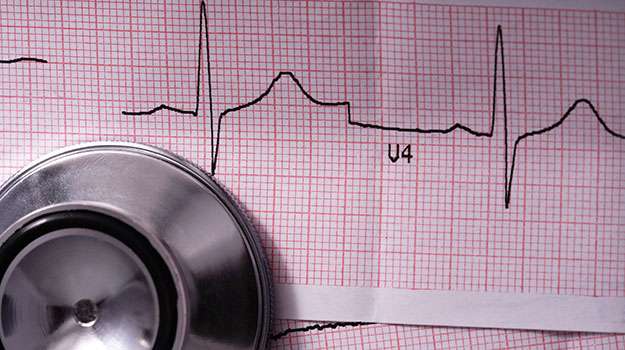
Lifestyle modifications play a crucial role in promoting cardiovascular health. Simple changes in daily routines can significantly impact heart-related conditions positively over time!
- Dietary Improvements: Adopting a balanced diet rich in whole grains , lean meats , fruits , vegetables , while minimizing saturated fats helps protect the heart .
- Regular Physical Activity: Engaging in regular aerobic exercise promotes better blood circulation , aids weight management , reducing risks associated with various cardiac conditions .
- Stress Management Techniques: Incorporating relaxation methods like yoga or meditation lowers stress levels resulting positively on overall well-being .
- Regular Check-Ups: Consistent visits with healthcare professionals ensure monitoring improvements while facilitating timely interventions when required .
ATRIAL FIBRILLATION MANAGEMENT

Atrial fibrillation (AFib) is an irregular heartbeat that can increase the risk of stroke and other-heart related complications. Understanding AFib is essential for effective management & treatment options available today!
- Symptoms: Patients may experience palpitations (irregular heartbeat), fatigue, dizziness or shortness of breath during episodes of AFib even when they might be asymptomatic at times!
HEART DISEASE PREVENTION
The prevention of heart disease involves taking steps to reduce the risk factors that contribute to cardiovascular problems. Heart disease remains one of the leading causes of death globally; therefore awareness is key.
- Risk Factors: Common factors include high blood pressure, elevated cholesterol levels, diabetes, sedentary lifestyle, smoking status, and hereditary issues.
- Status Monitoring: Regular check-ups allow assessment of heart health through physical exams and tests like EKGs or echocardiograms when indicated.
- Lifestyle Changes: Embrace a heart-healthy diet rich in whole grains, lean proteins (like fish), fruits and vegetables while limiting processed foods and sugars!
- Aerobic Exercise: Strive for at least 150 minutes of moderate-intensity exercise each week. Walking or swimming are excellent choices that fit most lifestyles!
Cultivating these habits can significantly decrease your risk while enhancing your overall well-being. Partnering with healthcare professionals ensures customized advice tailored to individual needs.
CHOLESTEROL MANAGEMENT
High cholesterol levels are a significant risk factor for cardiovascular diseases. Monitoring cholesterol is crucial for maintaining heart health and preventing conditions like heart attacks and strokes.
- Symptoms: High cholesterol typically does not cause noticeable symptoms; hence it's often referred to as a 'silent' condition.
- Causes: Factors contributing include an unhealthy diet high in saturated fats, lack of physical activity, obesity, smoking habits, and genetics.
- Diagnosis: A lipid panel test evaluates the presence of various types of cholesterol in your blood after fasting for at least 9-12 hours.
- Treatment/Management: Recommended strategies involve dietary modifications (reducing saturated fats), engaging in regular aerobic exercise, weight loss if needed, and possibly medication like statins if lifestyle changes aren't sufficient.
- What to Expect: Consistent monitoring can lead to improved cholesterol levels over time with adherence to recommended lifestyle adjustments.
A proactive approach towards managing cholesterol can greatly enhance heart health and prevent future medical issues. Regular consultations are encouraged for optimal results.
HYPERTENSION MANAGEMENT
Hypertension, or high blood pressure, is a common condition that can lead to serious health complications if left untreated. It often develops over many years and may not present noticeable symptoms initially, making regular monitoring essential.
- Symptoms: Most people with hypertension experience no symptoms, but some may have headaches, shortness of breath, or nosebleeds.
- Causes: Factors such as poor diet, lack of exercise, obesity, smoking, family history, and chronic kidney disease can contribute to high blood pressure.
- Diagnosis: Hypertension is diagnosed through regular blood pressure measurements using a sphygmomanometer during routine check-ups.
- Treatment Options: Management includes lifestyle changes such as a healthy diet (rich in fruits and vegetables), regular physical activity, weight management, and medications when necessary.
- What to Expect: With proper management and adherence to treatment plans, individuals can significantly lower their blood pressure and reduce their risk of heart disease.
Addressing hypertension early on can lead to better health outcomes and improve overall quality of life. It's important to consult with healthcare providers for personalized advice.