
Dr B P Shrivastav
About Me
Dr B P Shrivastav
MBBS
General Physician
Biography
My Clinic
OPD Hours
| Monday | Morning | 10:00 AM | - | 02:00 PM |
| Evening | 06:00 PM | - | 09:00 PM | |
| Tuesday | Morning | 10:00 AM | - | 02:00 PM |
| Evening | 06:00 PM | - | 09:00 PM | |
| Wednesday | Morning | 10:00 AM | - | 02:00 PM |
| Evening | 06:00 PM | - | 09:00 PM | |
| Thursday | Morning | 10:00 AM | - | 02:00 PM |
| Evening | 06:00 PM | - | 09:00 PM | |
| Friday | Morning | 10:00 AM | - | 02:00 PM |
| Evening | 06:00 PM | - | 09:00 PM | |
| Saturday | Morning | 10:00 AM | - | 02:00 PM |
| Evening | 06:00 PM | - | 09:00 PM | |
| Sunday | Morning | 10:00 AM | - | 02:00 PM |
| Evening | 06:00 PM | - | 09:00 PM |
Treatments
Specialised care and treatments offered
ACUTE RESPIRATORY INFECTIONS TREATMENT
Acute respiratory infections encompass illnesses caused by pathogens affecting the upper or lower respiratory tract. These infections range from mild colds to more serious conditions such as pneumonia. Understanding their nature aids in appropriate management strategies tailored for each patient’s needs.
- Common Symptoms: Include coughing fever aches fatigue depending on severity.
- Etiology: Viruses bacterial agents play significant roles in causing these infections.
- Diagnosis: Patients often undergo physical examinations followed by diagnostic imaging if needed.
- Treatment Approach: Typically involves rest proper hydration; antibiotics may be indicated if bacteria are responsible.
Early intervention during acute respiratory infections contributes positively towards recovery timelines without complications involved
PREVENTIVE CARE

The cornerstone of good health lies in preventive care practices aimed at early detection and reduction of disease risk. Regular check-ups allow healthcare providers to offer personalized advice tailored to individual patient needs based on family history and lifestyle factors.
- Routine Screenings: Regular screenings like mammograms or colonoscopies depending on age criteria establish a baseline for future assessments.
- Vaccinations: Staying current with vaccines helps prevent various infectious diseases.
- Lifestyle Counseling: Guidance on nutrition smoking cessation can significantly improve overall health outcomes.
Investing time in preventive care today fosters long-term health benefits tomorrow.
CHOLESTEROL MANAGEMENT

Elevated cholesterol levels are a significant risk factor for cardiovascular diseases. Understanding how cholesterol functions within the body helps in making informed decisions about lifestyle choices and treatments aimed at improving heart health.
- Possible Symptoms: Generally asymptomatic; however, high cholesterol may lead to conditions like chest pain or heart attacks over time.
- Status Assessment: A cholesterol test (lipid panel) provides critical information about LDL (bad) and HDL (good) cholesterol levels.
- Treatment Approaches: A combination of dietary changes, increased physical activity, and medications such as statins are commonly utilized strategies for managing cholesterol levels effectively.
Your commitment to managing cholesterol could dramatically lessen the likelihood of developing serious cardiovascular conditions later in life.
DIABETES SCREENING
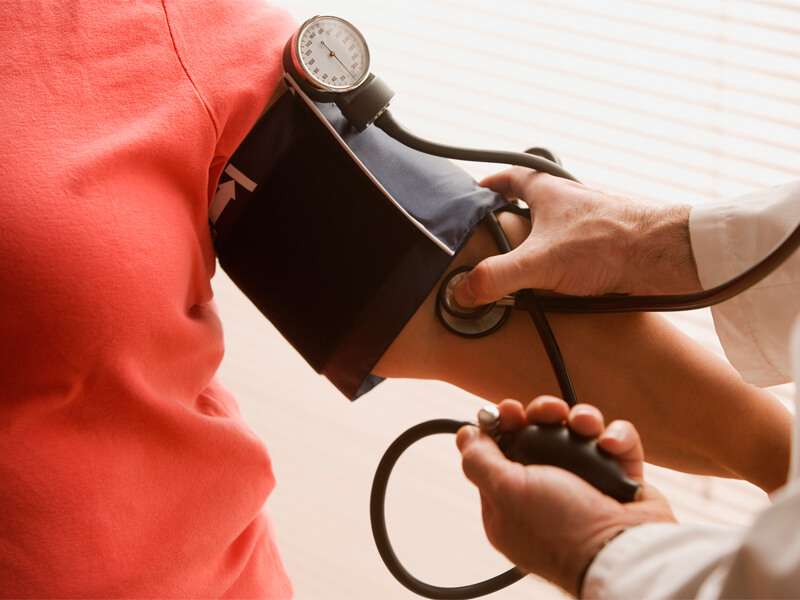
Diabetes is a metabolic disorder characterized by high blood sugar levels over a prolonged period. Early screening plays a pivotal role in preventing complications associated with this condition. Knowledge about diabetes types and risks is essential for effective management.
- Main Symptoms: Increased thirst, frequent urination, extreme fatigue are common indicators of diabetes mellitus.
- Causative Factors: Genetics and lifestyle choices significantly contribute to the development of diabetes.
- Disease Diagnosis: Blood tests such as fasting glucose tests or HbA1c can confirm the presence of diabetes.
- Treatment Options: Diabetes management typically includes dietary modifications, physical activity enhancements, and sometimes insulin or oral medications.
An informed approach can lead to better health outcomes for individuals diagnosed with diabetes.
ASTHMA CONTROL

Asthma is a chronic condition that affects the airways in the lungs, leading to difficulty breathing. It can be triggered by various factors including allergens, exercise, or air pollution. Understanding how to manage asthma is vital for maintaining overall health and well-being.
- Causes: Common triggers include pollen, dust mites, pet dander, and respiratory infections.
- Diagnosis: Patients undergo lung function tests such as spirometry to assess airflow.
- Treatment Strategies: Inhalers containing bronchodilators or steroids may be prescribed alongside lifestyle adjustments like avoidance of triggers.
- Long-Term Management: An action plan detailing daily management tactics can empower patients to control their symptoms effectively.
A proactive approach towards asthma can significantly enhance quality of life and reduce exacerbations.
HYPERTENSION MANAGEMENT

Hypertension, or high blood pressure, is a common condition that can lead to severe health issues if not properly managed. This condition often develops over many years and frequently doesn't present noticeable symptoms, making regular monitoring essential.
- Symptoms: Often asymptomatic, but may include headaches, shortness of breath, and nosebleeds.
- Diagnosis: Blood pressure is measured using a sphygmomanometer during a routine check-up.
- Treatment Options: Lifestyle changes such as diet modification and regular exercise are crucial. Medications may also be prescribed to help manage blood pressure levels.
- Monitoring: Regular follow-ups are necessary to adjust treatment plans based on individual responses.
Effective management of hypertension is crucial for reducing the risk of heart disease and stroke.