
Dr B R Ramesh Rao
About Me
Dr B R Ramesh Rao
General Physician
Biography
My Clinic
OPD Hours
| Tuesday | Morning | 10:00 AM | - | 02:00 PM |
| Evening | 06:00 PM | - | 09:00 PM | |
| Wednesday | Morning | 10:00 AM | - | 02:00 PM |
| Evening | 06:00 PM | - | 09:00 PM | |
| Thursday | Morning | 10:00 AM | - | 02:00 PM |
| Evening | 06:00 PM | - | 09:00 PM | |
| Friday | Morning | 10:00 AM | - | 02:00 PM |
| Evening | 06:00 PM | - | 09:00 PM | |
| Saturday | Morning | 10:00 AM | - | 02:00 PM |
| Evening | 06:00 PM | - | 09:00 PM | |
| Sunday | Morning | 10:00 AM | - | 02:00 PM |
| Evening | 06:00 PM | - | 09:00 PM | |
| Thursday | Morning | 10:00 AM | - | 02:00 PM |
| Evening | 06:00 PM | - | 09:00 PM |
Treatments
Specialised care and treatments offered
PREVENTIVE HEALTH CHECK-UPS
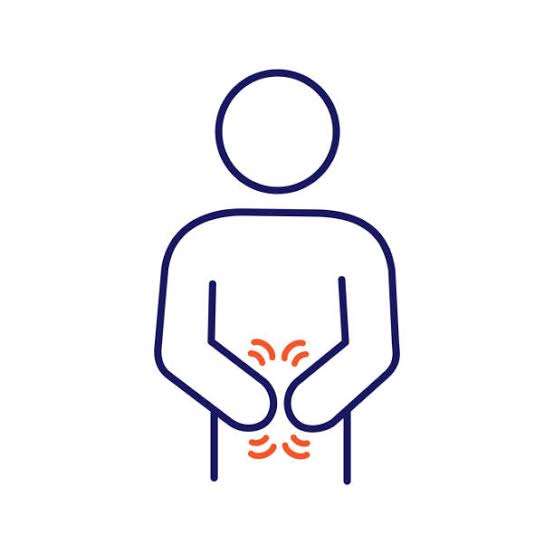
GASTROESOPHAGEAL REFLUX DISEASE (GERD) MANAGEMENT

This condition is characterized by acid reflux that causes heartburn and other discomforts. Proper management can alleviate symptoms effectively while preventing further complications.
- Symptoms: Commonly reported symptoms include persistent heartburn , regurgitation , chest pain , and difficulty swallowing .
- Causes: Factors contributing to GERD include obesity , pregnancy , smoking , certain medications ,and dietary choices .
- Diagnosis: Healthcare providers often recommend an endoscopy or pH monitoring tests based on patient history .
- Treatment: Lifestyle changes combined with medications like proton pump inhibitors often prove effective in managing GERD .
A comprehensive approach focusing on diet modifications along with necessary treatments leads toward optimal management of GERD symptoms over time .
ALLERGY TESTING AND MANAGEMENT

An allergic reaction occurs when the immune system reacts excessively to a substance. Allergy management is essential for identifying triggers and minimizing exposure to allergens.
- Symptoms: Reactions can range from sneezing and itching to more severe responses like anaphylaxis in extreme cases.
- Causes: Allergens may include pollen, dust mites, pet dander, foods, or insect stings among others.
- Diagnosis:A thorough history followed by skin tests or blood tests helps identify specific allergies accurately.
- Treatment: Management involves avoiding identified allergens along with medications such as antihistamines or corticosteroids for symptom relief.
- Expectations: With effective management strategies in place , many patients find significant improvement in their quality of life .
Understanding allergies leads to better control over symptoms and enhances everyday functioning .
RESPIRATORY INFECTION TREATMENT
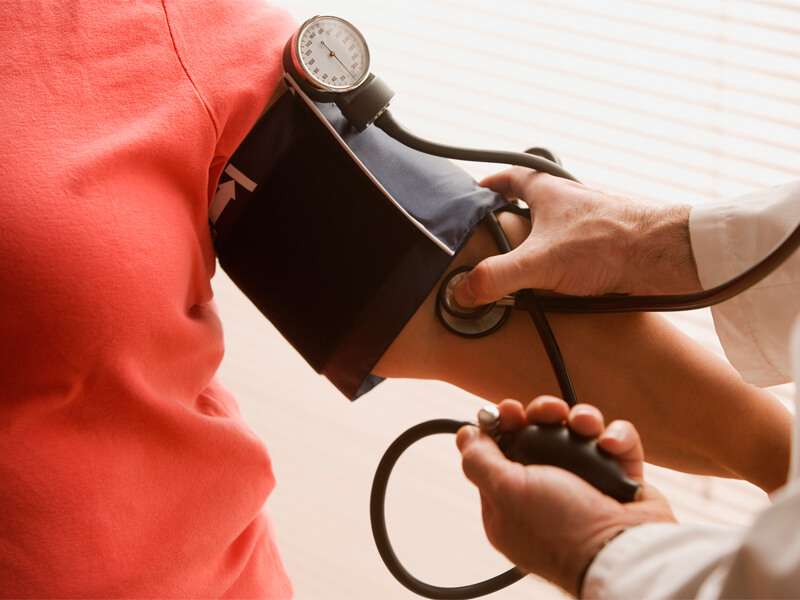
A respiratory infection affects the airways and lungs, leading to conditions such as bronchitis or pneumonia. Prompt diagnosis and treatment are key in alleviating symptoms effectively.
- Symptoms: Patients may experience cough, fever, shortness of breath, or chest discomfort.
- Causes: These infections are typically caused by viruses or bacteria, often spreading through airborne droplets.
- Diagnosis: Healthcare providers may perform physical exams along with chest X-rays to determine the extent of infection.
- Treatment: Depending on the cause, treatment may involve antibiotics for bacterial infections or supportive care for viral infections.
If managed properly with medical guidance, most respiratory infections resolve without significant complications.
DIABETES SCREENING AND MANAGEMENT

Diabetes is a chronic condition that affects how your body processes sugar (glucose). Managing diabetes effectively is crucial for maintaining a good quality of life and preventing complications.
- Symptoms: Common signs include excessive thirst, frequent urination, fatigue, and blurred vision.
- Causes: A combination of genetic predisposition and lifestyle factors plays a role in the development of diabetes.
- Diagnosis: Diagnostic tests include fasting blood glucose tests and HbA1c measurements during regular check-ups.
- Treatment: Options typically involve lifestyle modifications alongside medications or insulin therapy as needed.
- Expectations: Ongoing management through diet, exercise, and regular monitoring can help control blood sugar levels effectively.
An informed approach is vital for managing diabetes and enhancing well-being over the long term.
HYPERTENSION MANAGEMENT
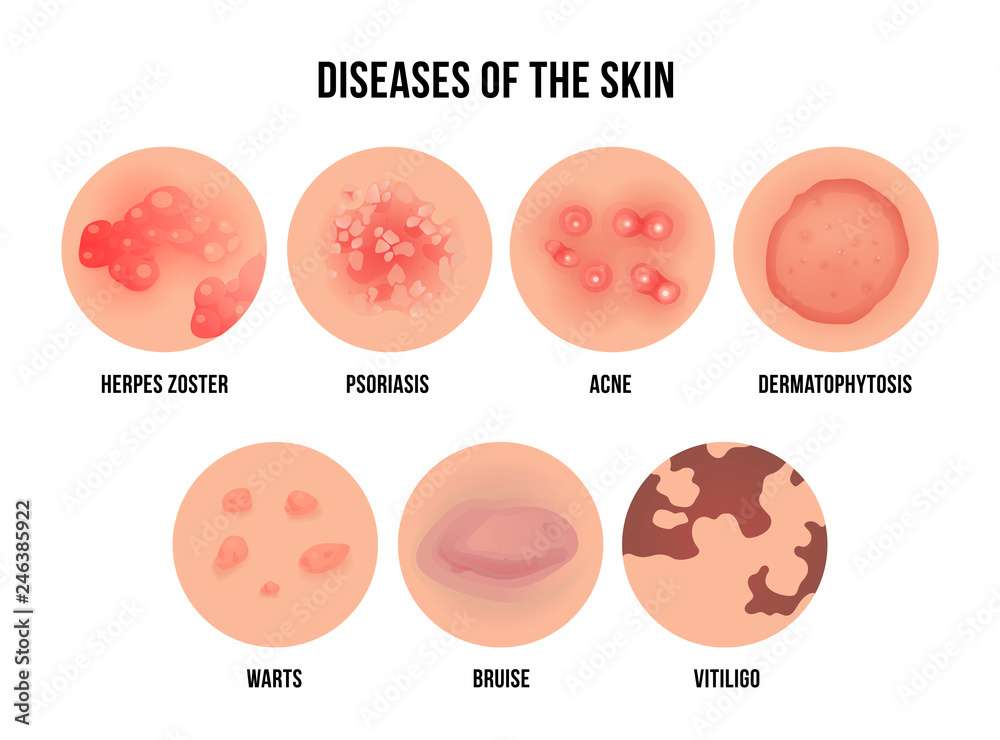
Hypertension, or high blood pressure, is a common condition that can lead to severe health issues if left untreated. It often goes unnoticed due to its subtle nature, making regular check-ups essential.
- Symptoms: Many individuals experience few or no symptoms; however, some might feel headaches or dizziness.
- Causes: Factors include genetics, poor diet, lack of physical activity, and excessive alcohol consumption.
- Diagnosis: Blood pressure readings are taken during routine examinations using a sphygmomanometer.
- Treatment: Management options range from lifestyle changes to medications such as diuretics or ACE inhibitors.
- Expectations: Regular monitoring and adherence to prescribed treatments can help maintain healthy blood pressure levels.
A proactive approach to managing hypertension can significantly improve overall health and reduce the risk of serious complications.