
Dr B S Datta
About Me
Dr B S Datta
MD
Diabetologist
10 Years Experience
Biography
My Clinic
OPD Hours
| Monday | Morning | 10:00 AM | - | 02:00 PM |
| Evening | 06:00 PM | - | 09:00 PM | |
| Tuesday | Morning | 10:00 AM | - | 02:00 PM |
| Evening | 06:00 PM | - | 09:00 PM | |
| Wednesday | Morning | 10:00 AM | - | 02:00 PM |
| Evening | 06:00 PM | - | 09:00 PM | |
| Thursday | Morning | 10:00 AM | - | 02:00 PM |
| Evening | 06:00 PM | - | 09:00 PM | |
| Friday | Morning | 10:00 AM | - | 02:00 PM |
| Evening | 06:00 PM | - | 09:00 PM | |
| Saturday | Morning | 10:00 AM | - | 02:00 PM |
| Evening | 06:00 PM | - | 09:00 PM | |
| Sunday | Morning | 10:00 AM | - | 02:00 PM |
| Evening | 06:00 PM | - | 09:00 PM |
Treatments
Specialised care and treatments offered
INSULIN PUMP THERAPY

Insulin pump therapy offers a sophisticated method for individuals needing precise control over their blood sugar levels. This device eliminates the need for multiple daily injections while providing continuous delivery of insulin based on individual needs.
- Symptoms indicating a need for tighter control could comprise fluctuating glucose readings despite traditional methods employed before this option became available.
- Assessment typically incorporates comprehensive evaluations from healthcare teams familiar with pump usage combined alongside patient preferences regarding their day-to-day routines.
- Management entails programming settings reflecting personal carbohydrate intake while also considering physical activity patterns along maintained interaction between doctor-patient partnerships ensuring optimal results achieved without incidentally causing unsafe conditions affecting well-being overall .
Engaging actively in one’s treatment plan using advanced technology provides necessary empowerment against longtime hazards related directly tied towards untreated diabetic concerns arising unanticipatedly – aiding better outcomes every step ahead!
LONG-TERM COMPLICATIONS SCREENING
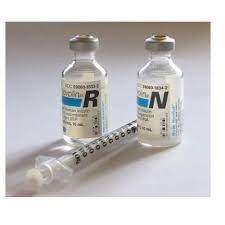
The long-term complications associated with diabetes underscore the importance of regular screenings as part of comprehensive care. These complications can affect various organs if not identified early on.
- Common complications include cardiovascular diseases, neuropathy, retinopathy (eye issues), and nephropathy (kidney problems).
- Disease screening usually consists of regular eye exams, foot checks for neuropathy-related injuries, kidney function tests through urine analysis or blood tests.
- Treatment options vary depending on identified risks but may include medication for heart health along with lifestyle changes aimed at improving overall wellness.
Proactive screening enables timely interventions that significantly enhance quality of life for individuals living with diabetes over time.
HYPOGLYCEMIA MANAGEMENT
Hypoglycemia refers to dangerously low blood sugar levels that require prompt attention. It can occur unexpectedly in individuals managing diabetes with insulin or certain medications.
- The onset may be marked by symptoms like sweating, shaking, confusion, or even loss of consciousness if not addressed quickly.
- A fingerstick test or continuous glucose monitor helps accurately diagnose hypoglycemia during episodes.
- Immediate treatment involves rapidly absorbed sugars such as glucose tablets or sugary beverages; follow-up care might require longer-term adjustments to medication doses or meal planning strategies.
- An individual’s education on recognizing early signs of hypoglycemia plays a crucial role in prevention and management strategies moving forward.
Timely intervention allows individuals to safely navigate this potential complication associated with diabetes treatment regimens.
GESTATIONAL DIABETES CARE
Gestational diabetes occurs during pregnancy when the body cannot produce sufficient insulin. Proper management is crucial for both maternal and fetal health.
- The condition often presents without obvious symptoms but may be detected through routine glucose screening during pregnancy.
- If left untreated, it can lead to complications such as high birth weight or preterm delivery.
- Treatment involves monitoring blood sugar levels, dietary modifications emphasizing whole foods, and possibly insulin therapy if necessary.
- Close follow-up with healthcare professionals ensures optimal management throughout the pregnancy journey.
With careful monitoring and lifestyle adjustments, most women successfully manage gestational diabetes and have healthy pregnancies.
DIABETIC KETOACIDOSIS (DKA) TREATMENT
Diabetic Ketoacidosis (DKA) is a serious complication that can occur in people with diabetes, primarily type 1. It happens when the body starts breaking down fat at an excessive rate due to a lack of insulin.
- This condition may manifest through symptoms such as nausea, vomiting, abdominal pain, rapid breathing, and fruity-smelling breath.
- Diagnosis involves checking blood glucose levels, ketones in urine, and electrolyte imbalances.
- Treatment focuses on intravenous fluids for hydration, insulin therapy to lower blood sugar levels, and electrolyte replacement as needed.
- The goal is both immediate stabilization of the patient’s condition and prevention of future episodes through education on managing diabetes effectively.
A timely response can significantly improve outcomes for individuals experiencing DKA.
TYPE 1 DIABETES MANAGEMENT
Managing Type 1 diabetes is crucial for maintaining overall health and preventing complications. This autoimmune condition leads to the destruction of insulin-producing cells, necessitating lifelong management.
- Symptoms include excessive thirst, frequent urination, weight loss, and fatigue.
- Diagnosis typically involves blood tests to measure glucose levels and confirm insulin deficiency.
- Treatment includes insulin therapy, dietary adjustments, and regular monitoring of blood glucose levels.
- Patients can expect personalized diabetes care plans tailored to their lifestyle and needs.
- Education about recognizing and managing hypoglycemia is vital for safe living with this condition.
With appropriate management, individuals with Type 1 diabetes can lead a healthy and active life.