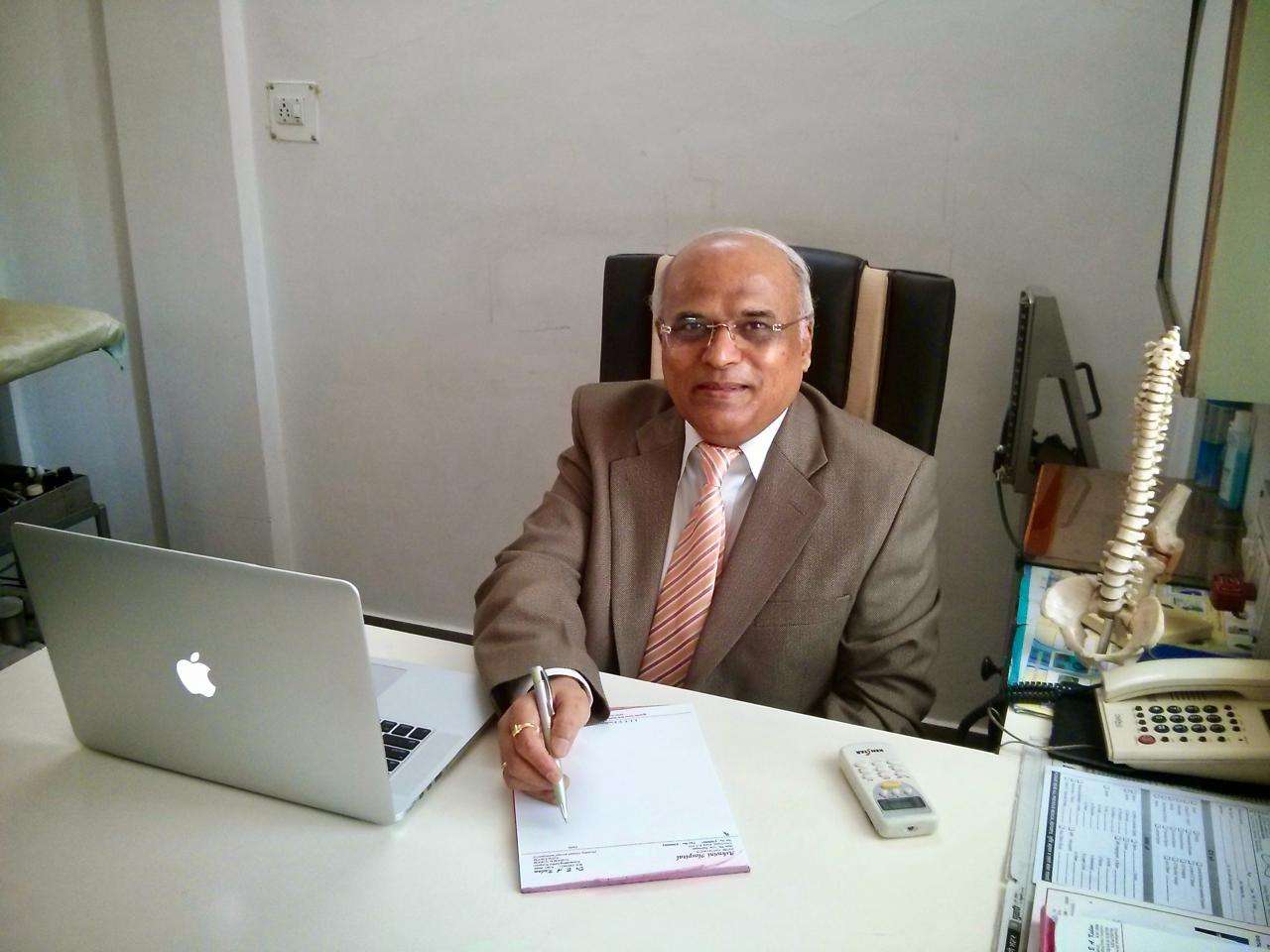
Dr B. A. Kadam
About Me
Dr B. A. Kadam
MBBS
Orthopaedic Surgeons
45 Years Experience
Biography
Name: Babanrao Appasaheb Kadam (often referred to as Dr. B. A. Kadam
- Qualifications:
 • MBBS, B. J. Medical College, Pune
 • MS (Orthopaedics), B. J. Medical College, Pune - Registration/Licensure: Maharashtra Medical Council Registration No. 38584, 1977
Professional Career & Experience
- Dr. B. A. Kadam has been practicing as an orthopedic surgeon for several decades and is reputed to have over 40 years of experience as a specialist.
- He is associated with Ashwini Hospital, Chinchwad, Pune (sometimes also referred to simply as Ashwini Hospital / Ashwini Ortho Clinic)
- He served as Chief Orthopedic Surgeon & Director at Ashwini Hospital from 1987 to 2018 (approximate)
- His clinic hours: he sees patients Monday to Saturday, consultation fee ~ ₹1,000 (as of the listings).
Areas of Expertise & Services
- According to his profiles on medical portals, Dr. Kadam offers a broad spectrum of orthopedic services, including
- Arthroscopy
- ACL/PCL reconstruction
- Hip replacement
- Knee osteotomy
- Spinal surgeries (e.g., laminectomy)
- Fracture/trauma management
- Joint dislocation
- orthopedic physiotherapy & rehabilitation
- He is also a member of several professional associations:
- Indian Medical Association (IMA)
- Indian Arthroscopy Society
- Maharashtra Association
- Pune Orthopedic Society
- He was formerly an Executive Committee (EC) Member of POS (Pune orthopedic Society)
My Clinic
OPD Hours
| Monday | Morning | 10:00 AM | - | 02:00 PM |
| Evening | 06:00 PM | - | 09:00 PM | |
| Tuesday | Morning | 10:00 AM | - | 02:00 PM |
| Evening | 06:00 PM | - | 09:00 PM | |
| Wednesday | Morning | 10:00 AM | - | 02:00 PM |
| Evening | 06:00 PM | - | 09:00 PM | |
| Thursday | Morning | 10:00 AM | - | 02:00 PM |
| Evening | 06:00 PM | - | 09:00 PM | |
| Friday | Morning | 10:00 AM | - | 02:00 PM |
| Evening | 06:00 PM | - | 09:00 PM | |
| Saturday | Morning | 10:00 AM | - | 02:00 PM |
| Evening | 06:00 PM | - | 09:00 PM | |
| Sunday | Morning | 10:00 AM | - | 02:00 PM |
| Evening | 06:00 PM | - | 09:00 PM |
Treatments
Specialised care and treatments offered
KNEE MENISCUS TEAR
A knee meniscus tear occurs when one of the crescent-shaped cartilages in your knee joint gets injured. This condition often results from twisting motions during sports activities but can also occur due to age-related degeneration.
- Symptoms: Signs include localized knee pain combined with swelling and difficulties bending or straightening your leg fully.
- Causes: Tears frequently arise during high-impact sports; however slower degenerative changes might contribute among older adults over time as well.
- Diagnosis: Healthcare professionals often diagnose this via physical examinations while MRI scans provide clearer delineation than simple X-rays allow regarding soft tissue injury assessment.
- Treatment: Options range from conservative measures like rest/ice/physical therapy; surgery becomes pertinent where there’s significant damage preventing normal movements post-injury notably arthroscopy procedures are common procedures employed here.
The prognosis remains positive particularly when treatment plans are adhered strictly heightening chances toward returning back functionality swiftly throughout daily life scenarios ahead!
TENNIS ELBOW
Tennis elbow is an overuse injury affecting the outer part of the elbow due to excessive strain on the tendons. Despite its name, it can affect anyone engaged in repetitive arm motions regardless of sports involvement.
- Symptoms: The primary symptom is pain on the outside of the elbow which may radiate into the forearm; some may also experience stiffness.
- Causes: Common causes include repetitive gripping activities such as racquet sports but also tasks like painting or typing.
- Diagnosis: Healthcare providers typically conduct a clinical examination focusing on tenderness around elbow joints along with reviewing activity history.
- Treatment: Management options include rest from aggravating activities complemented by ice application; physical therapy is common while corticosteroid injections could provide relief if necessary.
- What to Expect: Recovery varies per individual; many report significant symptom improvement within weeks when adhering strictly to rehabilitation protocols.
Addressing tennis elbow promptly reduces risks of chronic pain development.
HIP REPLACEMENT SURGERY

This major surgery involves replacing damaged hip joints with artificial implants. It is often indicated for severe arthritis or hip fractures that cause debilitating pain and mobility issues.
- Symptoms: Patients typically experience severe hip pain exacerbated by activity along with reduced range of motion;
- Causes: The most common cause leading to hip replacement is osteoarthritis; however, trauma from accidents can also necessitate this intervention.
- Diagnosis: The diagnosis process includes reviewing symptoms followed by imaging techniques, such as X-rays or MRIs.
- Treatment: Surgery can be performed using traditional open techniques or minimally invasive methods; candidates will discuss options thoroughly with their surgeon.
-
What to Expect:
The recovery period varies but generally includes rehabilitation focused on regaining strength
and mobility post-surgery.
A successful hip replacement surgery enhances quality of life significantly for suitable candidates by alleviating joint pain.
CARPAL TUNNEL SYNDROME

This condition arises when the median nerve is compressed at the wrist, leading to numbness, tingling, and weakness in the hands. It's particularly common among individuals who perform repetitive wrist motions.
- Symptoms: Patients often report tingling or numbness in their fingers — especially during activities like typing or using tools.
- Causes: Potential causes include genetic predispositions, repetitive hand movements, hormonal changes during pregnancy or menopause, and underlying health conditions such as diabetes.
- Diagnosis: A thorough evaluation including nerve conduction studies helps confirm diagnosis after a clinical assessment.
- Treatment: Options may comprise wrist splinting at night, anti-inflammatory medications, corticosteroid injections, or surgery in persistent cases.
Catching this syndrome early can lead to better outcomes and minimize long-term effects on hand function.
ROTATOR CUFF TEAR

A rotator cuff tear involves damage to the group of muscles and tendons that stabilize the shoulder. This injury often results from repetitive overhead activities or trauma.
- Symptoms: Symptoms include a dull ache in the shoulder, difficulty lifting the arm, and night pain.
- Causes: Tears may result from acute injuries or gradual wear-and-tear due to age or overuse.
- Diagnosis: Diagnosis typically involves a physical examination along with imaging studies like MRI or ultrasound.
- Treatment: Options range from conservative methods such as rest and physical therapy to surgical repair if necessary.
- What to Expect: Many patients experience significant improvement with proper care but may require rehabilitation for full recovery.
This injury can be effectively treated with early intervention and appropriate therapeutic measures.
OSTEOARTHRITIS

Osteoarthritis is a degenerative joint disease that commonly affects older adults. It occurs when the protective cartilage that cushions the ends of your bones wears down over time, leading to pain and stiffness.
- Symptoms: Common symptoms include joint pain, tenderness, stiffness, and swelling.
- Causes: Factors such as aging, obesity, prior joint injuries, and genetics may contribute to the development of osteoarthritis.
- Diagnosis: A healthcare provider usually diagnoses it through physical exams, medical history, and imaging tests like X-rays.
- Treatment: Management options include lifestyle modifications, physical therapy, medications for pain relief, and possibly surgical interventions in severe cases.
- What to Expect: With appropriate management, many individuals can maintain an active lifestyle and reduce their symptoms effectively.
A comprehensive approach to treatment can significantly improve quality of life for those affected by this condition.