
Dr Baburaj Hegde
About Me
Dr Baburaj Hegde
Cardiologist
Biography
My Clinic
OPD Hours
| Tuesday | Morning | 10:00 AM | - | 02:00 PM |
| Evening | 06:00 PM | - | 09:00 PM | |
| Wednesday | Morning | 10:00 AM | - | 02:00 PM |
| Evening | 06:00 PM | - | 09:00 PM | |
| Thursday | Morning | 10:00 AM | - | 02:00 PM |
| Evening | 06:00 PM | - | 09:00 PM | |
| Friday | Morning | 10:00 AM | - | 02:00 PM |
| Evening | 06:00 PM | - | 09:00 PM | |
| Saturday | Morning | 10:00 AM | - | 02:00 PM |
| Evening | 06:00 PM | - | 09:00 PM | |
| Sunday | Morning | 10:00 AM | - | 02:00 PM |
| Evening | 06:00 PM | - | 09:00 PM | |
| Thursday | Morning | 10:00 AM | - | 02:00 PM |
| Evening | 06:00 PM | - | 09:00 PM |
Treatments
Specialised care and treatments offered
STRESS TESTING

A stress test evaluates how your heart performs under physical exertion. It helps identify potential coronary artery disease or other cardiac problems before they become critical issues.
The Importance of Stress Tests: These tests reveal how well your heart copes with stress by measuring blood flow during exercise versus rest conditions.. The Procedure: Typically done on a treadmill or stationary bike while vital signs are monitored closely throughout the session.. Results Interpretation: Post-test evaluation highlights abnormal responses indicating underlying cardiovascular concerns needing intervention.. Coping Mechanisms: A holistic approach combining proper dietary habits & regular exercise enhances long-term cardiac resilience against potential challenges..ATRIAL FIBRILLATION MONITORING
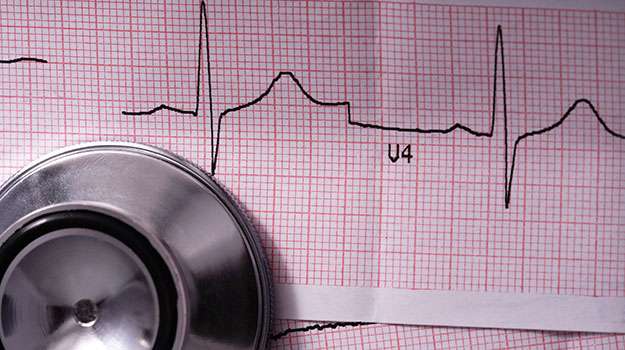
Atrial fibrillation (AFib) is characterized by an irregular heartbeat that can lead to serious complications if not monitored properly. Awareness of this condition empowers patients in managing their health proactively.
ELECTROCARDIOGRAM (ECG) TESTING
An Electrocardiogram (ECG) is a vital tool used to monitor the electrical activity of the heart. It aids in diagnosing various cardiac conditions effectively and efficiently.
- Purpose: ECGs are used to detect arrhythmias, ischemia (reduced blood flow), and structural abnormalities of the heart muscle.
- Procedure: The test involves placing electrodes on your chest which then record the electrical impulses generated by each heartbeat. It's non-invasive and quick to perform.
- Interpretation: Results provide valuable insights into your cardiac function; physicians analyze wave patterns for any irregularities indicating underlying conditions that require attention.
This simple yet effective test is an important preventive measure for maintaining optimal cardiovascular health through early detection of potential issues.
HEART DISEASE RISK ASSESSMENT
A heart disease risk assessment evaluates several factors that contribute to heart health. Understanding these risks enables better preventive care strategies tailored to individual needs.
- Risk Factors: Common factors include family history, age, smoking, high blood pressure, and diabetes.
- Screening Methods: Assessments may involve questionnaires, blood tests for cholesterol and glucose levels, and sometimes imaging tests to evaluate heart condition.
- Management Strategies: Based on assessment outcomes, personalized plans may include lifestyle modifications like a balanced diet and exercise programs aimed at reducing identified risks.
Regular assessments not only inform treatment approaches but also empower patients to take charge of their heart health proactively.
CHOLESTEROL SCREENING
Cholesterol plays a critical role in heart health, but elevated levels can increase the risk of cardiovascular diseases. Regular screening is essential for identifying potential issues early on.
- Symptoms: High cholesterol typically has no overt symptoms; however, it can lead to conditions such as heart attack or stroke.
- Diagnosis: A simple blood test called a lipid panel measures total cholesterol, LDL (bad), HDL (good), and triglycerides levels.
- Treatment: Depending on results, lifestyle changes including diet modification and increased physical activity are recommended. Medications may be prescribed if lifestyle changes alone are insufficient.
- Monitoring: Follow-up tests help assess improvement and ensure that cholesterol levels remain within healthy ranges.
This proactive approach significantly reduces the risk of heart-related complications over time. Regular screenings pave the way for healthier lifestyles.
HYPERTENSION MANAGEMENT
Hypertension, or high blood pressure, is a common condition that can lead to serious health issues if left untreated. It often presents with no symptoms, making regular monitoring crucial for prevention.
- Symptoms: Frequently occurs without noticeable signs; persistent headaches, fatigue, or nosebleeds may occur in severe cases.
- Diagnosis: Blood pressure readings are taken using a sphygmomanometer. A diagnosis typically requires multiple readings over time.
- Treatment: Lifestyle changes such as diet and exercise are fundamental; medications like diuretics or ACE inhibitors are often prescribed when necessary.
- Management: Ongoing management includes regular check-ups and lifestyle adjustments to maintain optimal blood pressure levels.
Effective management of hypertension is vital in preventing complications such as heart disease and stroke. Regular follow-ups can help keep your health on track.