
Dr Baburaj Hegde
About Me
Dr Baburaj Hegde
General Physician
Biography
My Clinic
OPD Hours
| Tuesday | Morning | 10:00 AM | - | 02:00 PM |
| Evening | 06:00 PM | - | 09:00 PM | |
| Wednesday | Morning | 10:00 AM | - | 02:00 PM |
| Evening | 06:00 PM | - | 09:00 PM | |
| Thursday | Morning | 10:00 AM | - | 02:00 PM |
| Evening | 06:00 PM | - | 09:00 PM | |
| Friday | Morning | 10:00 AM | - | 02:00 PM |
| Evening | 06:00 PM | - | 09:00 PM | |
| Saturday | Morning | 10:00 AM | - | 02:00 PM |
| Evening | 06:00 PM | - | 09:00 PM | |
| Sunday | Morning | 10:00 AM | - | 02:00 PM |
| Evening | 06:00 PM | - | 09:00 PM | |
| Thursday | Morning | 10:00 AM | - | 02:00 PM |
| Evening | 06:00 PM | - | 09:00 PM |
Treatments
Specialised care and treatments offered
HEALTH RISK ASSESSMENT
A comprehensive health risk assessment evaluates an individual's likelihood of developing various health conditions based on personal history and lifestyle choices. This tailored approach guides preventive strategies effectively!
- The Process: A detailed questionnaire addresses medical history including family backgrounds along with current habits covering nutrition & physical activity.
- Main Risk Factors Identified: Factors such as smoking status; BMI measurements; dietary preferences provide critical insights into potential vulnerabilities.
- Status Verification Techniques: Regular biometric screenings help validate findings from questionnaires plus additional discussions around any concerning trends.
- Treatment Planning/Management Options Offered: Strategy implementations derived from these assessments involve dietary advice & exercise plans tailored towards individual goals.
- Pacing Your Journey: smooth transitions into healthier lifestyles depend on continuous support efforts backed by healthcare providers who monitor progress regularly!
The success stories resulting from personalized assessments outline improvements seen across communities when proactive care serves well! That's why engaging fully makes all difference!
THYROID FUNCTION TESTS

Your thyroid plays a critical role in regulating metabolism and energy in the body. Thyroid disorders can affect overall health significantly; hence routine function tests are essential for maintaining balance.
- - Symptoms: Fatigue, weight gain/loss, mood changes indicate possible dysfunctions stemming from an underactive or overactive thyroid gland;- Causes: Autoimmune diseases such as Hashimoto's or Graves' disease frequently contribute;- Diagnosis Method: Blood tests measure hormone levels—TSH (Thyroid Stimulating Hormone) primarily;- Treatment Options: May involve medication adjustments aiming at hormone replacement therapy or lifestyle modifications alongside regular monitoring;- Follow-up Expectations: Proper management often requires ongoing lab work every few months initially until stability is achieved;
PREVENTIVE HEALTH SCREENINGS
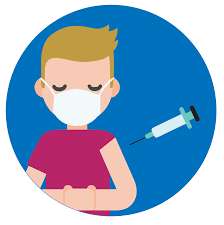
Preventive health screenings are essential tools in detecting potential health problems before they become severe. These assessments focus on identifying early signs of diseases affecting various body systems.
- The Importance: Early detection often leads to more effective treatments and better outcomes in managing chronic diseases like cancer or heart disease.
- - Blood pressure check- Cholesterol tests- Cancer screenings (e.g., mammogram)- Diabetes assessments- Vaccination status review
CHOLESTEROL MANAGEMENT
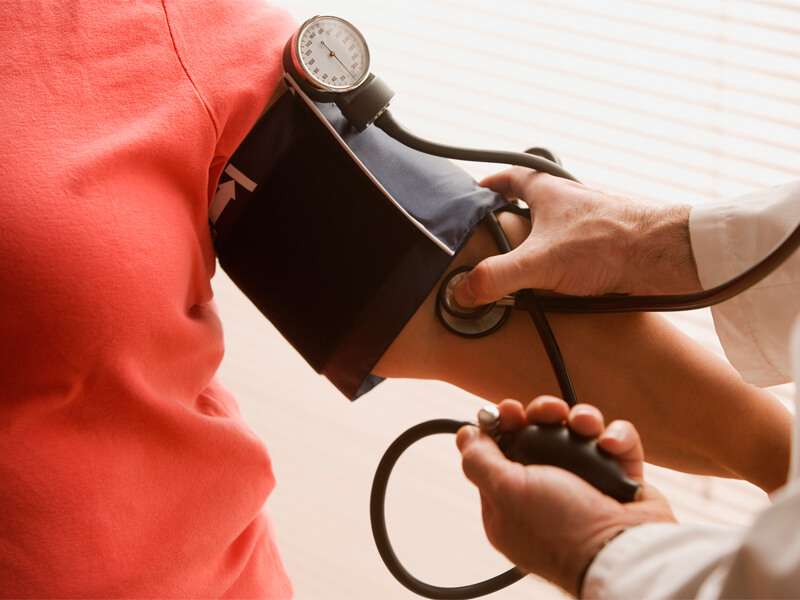
Mantaining healthy cholesterol levels is crucial for overall cardiovascular health. Abnormal cholesterol levels can lead to heart disease or stroke if not addressed promptly.
- Symptoms: High cholesterol generally does not present symptoms but can lead to serious cardiovascular conditions if neglected.
- Main Causes: Factors like poor diet high in saturated fats and trans fats contribute significantly to elevated cholesterol levels.
- Status Check: A lipid panel blood test measures total cholesterol levels along with different types such as LDL and HDL cholesterol. Regular testing is recommended for adults over a certain age or with risk factors.
- Treatment Options: Heart-healthy lifestyle changes—improved diet, regular exercise—and medications like statins may be necessary in managing high cholesterol effectively.
Caring for your cholesterol levels contributes greatly to reducing health risks. Regular check-ups allow you to maintain heart health throughout your life.
DIABETES SCREENING

Early detection of diabetes through screening is vital for preventing complications associated with the disease. Regular check-ups can help identify risk factors and glucose levels that indicate potential diabetes.
- Symptoms: Increased thirst, frequent urination, fatigue, blurred vision may signal underlying issues related to diabetes.
- Risk Factors: Obesity, advanced age, family history of diabetes elevate risks significantly.
- Diagnosis: A simple blood test measures glucose levels; an HbA1c test provides information on average blood sugar over months.
- Treatment/Management: Effective management includes lifestyle adjustments—dietary changes and exercise—as well as possible medication intervention depending on individual needs.
- What to Expect: Timely screening allows for better control of blood sugar levels and reduces long-term complications associated with diabetes.
A proactive approach towards screening can significantly improve outcomes for those at risk or diagnosed with diabetes.
HYPERTENSION
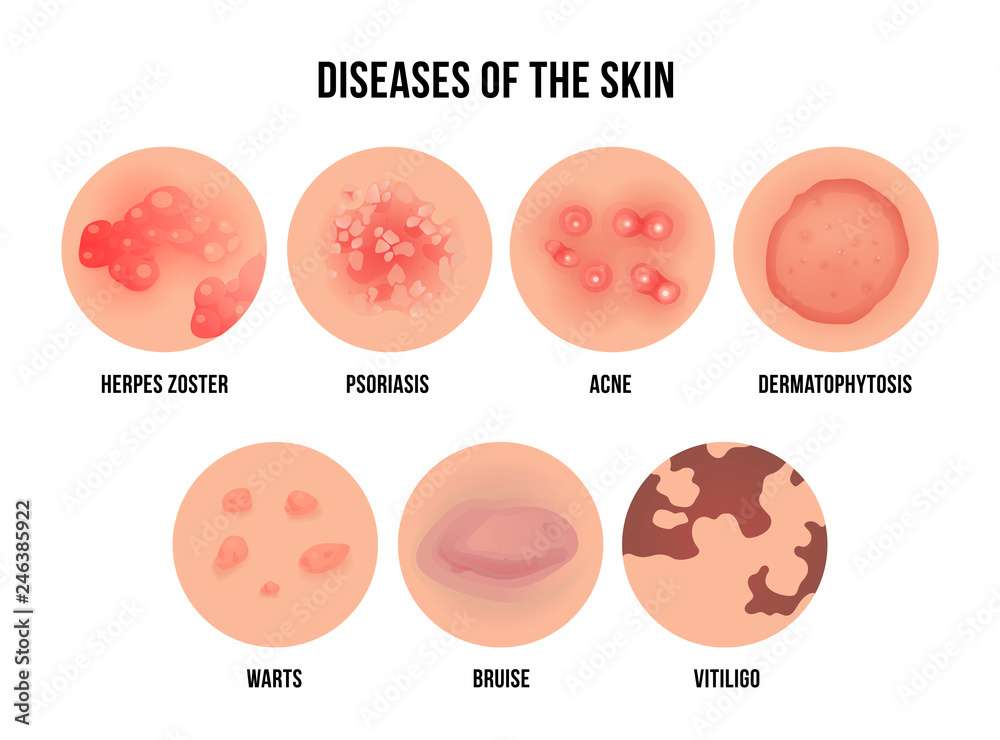
Hypertension, commonly known as high blood pressure, is a serious condition that can lead to significant health issues if left unmanaged. It occurs when the force of the blood against the artery walls is consistently too high.
- Symptoms: Often referred to as a silent killer, many individuals may not experience symptoms until complications arise.
- Causes: Factors include obesity, lack of physical activity, smoking, excessive salt intake, and genetics.
- Diagnosis: Blood pressure monitoring is essential; readings are taken on multiple occasions to confirm hypertension.
- Treatment Options: Lifestyle changes such as improved diet and increased exercise are important; medications may also be prescribed to help manage blood pressure levels.
- What to Expect: Regular follow-ups are crucial for managing this condition effectively; patients should stay informed about their blood pressure targets.
Understanding hypertension is key to prevention and management. With proper care and guidance, individuals can lead healthy lives despite this condition.