
Dr Bagree Rajend
About Me
Dr Bagree Rajend
MBBS
General Physician
Biography
My Clinic
OPD Hours
| Monday | Morning | 10:00 AM | - | 02:00 PM |
| Evening | 06:00 PM | - | 09:00 PM | |
| Tuesday | Morning | 10:00 AM | - | 02:00 PM |
| Evening | 06:00 PM | - | 09:00 PM | |
| Wednesday | Morning | 10:00 AM | - | 02:00 PM |
| Evening | 06:00 PM | - | 09:00 PM | |
| Thursday | Morning | 10:00 AM | - | 02:00 PM |
| Evening | 06:00 PM | - | 09:00 PM | |
| Friday | Morning | 10:00 AM | - | 02:00 PM |
| Evening | 06:00 PM | - | 09:00 PM | |
| Saturday | Morning | 10:00 AM | - | 02:00 PM |
| Evening | 06:00 PM | - | 09:00 PM | |
| Sunday | Morning | 10:00 AM | - | 02:00 PM |
| Evening | 06:00 PM | - | 09:00 PM |
Treatments
Specialised care and treatments offered
COMMON COLD TREATMENT
The common cold is a viral infection affecting the upper respiratory tract. Though it is usually mild compared to other illnesses like influenza or COVID-19, it remains highly contagious.
- Symptoms : Typical signs encompass sneezing , runny nose , sore throat , cough , congestion , mild headache,and general fatigue. Most resolve within one week but could linger longer due worsened circumstances such allergies .
- Causes : Rhino viruses primarily cause most colds ; transmission occurs via respiratory droplets when an infected person coughs/sneezes unexpectedly spreading germs around swiftly amongst groups nearby . It’s essential practicing good hygiene during flu season! . -
ACID REFLUX DISEASE MANAGEMENT

A common digestive disorder known as acid reflux occurs when stomach acid flows back into the esophagus causing discomfort. Chronic acid reflux can develop into gastroesophageal reflux disease (GERD).
- Symptoms : Patients often experience heartburn following meals along with regurgitation of food or sour liquid ;some may even suffer from throat irritation .
- Causes : Contributing factors include obesity , pregnancy , smoking , certain foods (like spicy items) ,and specific medications .
- Diagnosis : A physician may recommend an endoscopy procedure or a pH test that measures acidity levels in the esophagus over time .
- Treatment Options : Lifestyle modifications typically accompany antacid prescriptions ;in severe cases surgery might be considered .
- What to Expect : Many patients find considerable relief through consistent adherence to treatment plans aimed at managing symptoms effectively ; education about dietary choices proves invaluable here .
The right approach allows many individuals to regain control over their digestive health significantly improving their quality of life .
ASTHMA MANAGEMENT

Asthma is a chronic respiratory condition characterized by inflammation in the airways leading to difficulty in breathing. It can be triggered by various environmental factors including allergens and pollution.
- Symptoms: Common symptoms include wheezing, breathlessness during physical activity or at night, coughing especially when laughing or crying, and chest tightness.
- Causes: Symptoms can be triggered by allergens such as pollen or dust mites , respiratory infections , smoke ,or changes in weather .
- Diagnosis : Asthma diagnosis often involves lung function tests known as spirometry , alongside patient history evaluation .
- Treatment Options : Management may incorporate inhalers (relievers and preventers), oral medications ,and avoidance strategies against triggers .
- What to Expect : With proper management , many patients can lead active lives without significant restrictions from asthma . Educational resources can equip individuals with adequate knowledge on handling attacks .
Consistent management protocols are key to minimizing symptom flare-ups over time .
LIPID DISORDER TREATMENT
Lipid disorders involve abnormal levels of lipids in the blood. These disorders can increase the risk of heart disease or stroke.
- Symptoms: There are often no visible symptoms; however, patients may experience chest pain or signs of cardiovascular issues if serious complications occur.
- Causes: Major contributors include poor diet, lack of physical activity, obesity, genetic factors, and certain underlying conditions like diabetes.
- Diagnosis: A lipid panel test measures cholesterol types and triglycerides levels after fasting for at least 9-12 hours.
- Treatment Options: Treatment strategies encompass dietary changes low in saturated fats and cholesterol along with medications such as statins if necessary.
- What to Expect: Regular follow-up testing is crucial for assessing treatment effectiveness. Patients must engage in ongoing discussions regarding lifestyle adjustments necessary for optimal results.
The integration of lifestyle changes can significantly mitigate risks associated with lipid disorders.
DIABETES MELLITUS MANAGEMENT

Diabetes mellitus refers to a group of diseases that affect how the body uses sugar (glucose), which is an essential source of energy. The two main types are Type 1 and Type 2 diabetes.
- Symptoms: Increased thirst, frequent urination, extreme fatigue, blurred vision, and slow-healing sores are common indicators.
- Causes: Type 1 diabetes is autoimmune, while Type 2 is often associated with lifestyle factors such as obesity and inactivity.
- Diagnosis: Testing usually involves fasting blood glucose levels or hemoglobin A1C tests to gauge long-term glucose control.
- Treatment Options: Patients may utilize dietary plans, exercise regimes, insulin therapy, or oral medications to maintain stable blood sugar levels.
- What to Expect: Continuous monitoring and adjustment of treatment plans are vital for effective management. Education about diet and exercise plays a critical role in daily living with diabetes.
A proactive approach can lead to improved quality of life for those managing diabetes.
HYPERTENSION MANAGEMENT
Hypertension, commonly known as high blood pressure, is a chronic condition that can lead to serious health issues if left untreated. It is often referred to as a 'silent killer' because there are typically no obvious symptoms.
- Symptoms: Many individuals may not experience noticeable symptoms until complications arise, but some may report headaches, shortness of breath, or nosebleeds.
- Causes: Factors contributing to hypertension include obesity, sedentary lifestyle, excessive salt intake, and genetics.
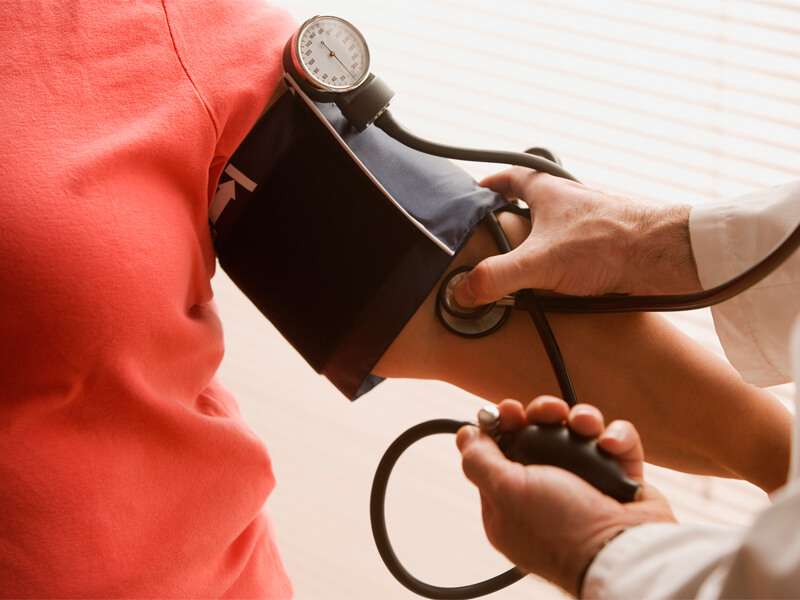
- Diagnosis: Blood pressure is measured using a sphygmomanometer. A healthcare provider will typically take readings on multiple occasions to confirm a diagnosis.
- Treatment Options: Management may involve lifestyle changes such as diet and exercise modifications and medications like diuretics or ACE inhibitors.
- What to Expect: Regular monitoring and follow-ups are essential to manage blood pressure effectively. Patients should also be educated about recognizing their numbers and managing stress.
Early intervention can significantly reduce the risks associated with hypertension, making routine check-ups crucial for maintaining heart health.