
Dr Balram Sharma
About Me
Dr Balram Sharma
ENDOCRINOLOGIST
Biography
My Clinic
OPD Hours
| Monday | Morning | 10:00 AM | - | 02:00 PM |
| Evening | 06:00 PM | - | 09:00 PM | |
| Tuesday | Morning | 10:00 AM | - | 02:00 PM |
| Evening | 06:00 PM | - | 09:00 PM | |
| Wednesday | Morning | 10:00 AM | - | 02:00 PM |
| Evening | 06:00 PM | - | 09:00 PM | |
| Thursday | Morning | 10:00 AM | - | 02:00 PM |
| Evening | 06:00 PM | - | 09:00 PM | |
| Friday | Morning | 10:00 AM | - | 02:00 PM |
| Evening | 06:00 PM | - | 09:00 PM | |
| Saturday | Morning | 10:00 AM | - | 02:00 PM |
| Evening | 06:00 PM | - | 09:00 PM | |
| Sunday | Morning | 10:00 AM | - | 02:00 PM |
| Evening | 06:00 PM | - | 09:00 PM |
Treatments
Specialised care and treatments offered
ADRENAL INSUFFICIENCY
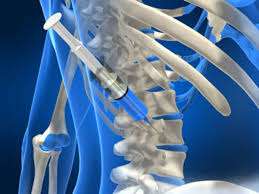
This condition arises when the adrenal glands produce insufficient amounts of certain hormones necessary for body functions including stress response regulation. Proactive recognition leads toward favorable outcomes if managed correctly!
- Symptoms commonly noted encompass unexplained fatigue along with potential weight loss / fluctuating appetite patterns! Dehydration could also occur more readily alongside hypoglycemic episodes triggered by inadequate cortisol regulation impacting energy levels.
- To diagnose adrenal insufficiency typically clinicians review risk exposure alongside lab chemistry confirming hormone testing parameters versus normal ranges establishing baseline understanding around individual patient profiles effectively guiding future care recommendations thereafter progressing promptly based upon findings seen during visits moving forward!
- Treatment measures revolve around incorporated corticosteroid therapy while also considering additional supportive lifestyle strategies aimed ensuring patients maintain empowerment during daily routines without hesitation whatsoever! Regular endocrinologist visits remain imperative checking medication adjustments ensuring adequacy reflective work regularly maintaining open lines communication detailing concerns noticed!
Awareness highlights importance staying vigilant understood variances experienced protecting individualized well-being ultimately strengthens shared decision-making journey enhancing patient-provider partnership throughout lifecycle phases embraced fully upon encountering unique dynamics presented constantly evolving world lived today!
OSTEOPOROSIS SCREENING

This silent disease causes bones to become weak and brittle over time. Regular screening helps detect osteoporosis before fractures occur due to low bone density conditions prevalent especially in older adults.
- A lack of apparent symptoms often makes osteoporosis dangerous until a fracture occurs; therefore screening becomes crucial as one ages or faces risk factors such as menopause or medication use affecting bone health.
- Densitometry tests (DEXA scans) provide insight into bone density status compared against standard values utilized for diagnostic purposes post-risk assessment questionnaires。
- Both pharmacologic treatments alongside non-pharmacological interventions like dietary calcium supplementation play significant roles in managing this condition successfully.
- Continuous follow-up using repeat screenings ensures any necessary adjustments in therapy promptly are made thus assisting prevention efforts efficiently.
Engaging in strength-building exercises combined with understanding nutrition will support longer-term bone health besides simply identifying risks through screenings alone.
POLYCYSTIC OVARY SYNDROME (PCOS)

PCOS is a hormonal disorder common among women of reproductive age that affects ovulation. It can result in irregular menstrual cycles and other metabolic issues if not addressed accordingly.
- Common symptoms include irregular periods, excess hair growth, acne, and weight gain challenges.
- The diagnosis typically involves assessing medical history along with blood tests for hormone levels combined with ultrasound imaging of the ovaries.
- Treatment may range from hormonal contraceptives to regulate cycles to lifestyle changes focusing on weight management along with fertility treatments if required.
- A holistic approach that includes diet modifications and regular physical activity can help alleviate symptoms significantly over time.
If you suspect PCOS based on symptoms observed or family history, seeking early intervention can lead to better management outcomes compared with delayed care approaches.
HYPOGONADISM

This condition occurs when the body doesn't produce enough sex hormones. It can affect both men and women, leading to numerous health issues including infertility and reduced sexual function.
- Symptoms might include decreased libido, fatigue, mood changes, or concentration difficulties.
- The diagnosis often requires hormonal level testing alongside clinical evaluation of symptoms.
- Treatment may involve hormone replacement therapy tailored to the patient's needs along with lifestyle modifications such as exercise and nutrition improvements.
- Regular follow-up appointments are important for efficacy monitoring beyond initial treatment initiation.
- This condition can greatly impact quality of life; therefore, awareness and proactive management are paramount.
If you are experiencing symptoms consistent with hypogonadism, it’s vital to consult with a healthcare provider for comprehensive evaluation and management strategies.
DIABETES MANAGEMENT

Diabetes is a chronic condition characterized by high blood sugar levels due to insulin resistance or insufficient insulin production. Proper management is key to living a healthy life.
- Common symptoms include excessive thirst, frequent urination, and blurred vision.
- The condition is diagnosed through blood tests measuring glucose levels after fasting or post-meal.
- Treatment typically involves a combination of dietary adjustments, physical activity, regular monitoring of blood sugar, and medications like insulin as needed.
- Education on managing diabetes is critical for preventing complications such as cardiovascular disease or neuropathy.
- A personalized management plan developed with your healthcare provider can lead to better outcomes and quality of life.
Diligently following the treatment plan can allow individuals with diabetes to lead an active and fulfilling life.
THYROID DISORDERS

Thyroid disorders are common conditions that affect the gland in your neck responsible for regulating metabolism through hormone production. This can lead to various health issues if left untreated.
- Symptoms may include fatigue, weight changes, and mood swings.
- The diagnosis often involves blood tests to measure levels of thyroid hormones and TSH.
- Treatment options can vary from medication to manage hormone levels, to lifestyle changes and in some cases, surgery.
- Regular monitoring is essential to adjust treatment plans effectively.
- Early identification through screening can significantly improve quality of life and overall health.
If you suspect a thyroid issue, seeking advice at an early stage is crucial for effective management and prevention of complications.