
Dr Balvir Singh
About Me
Dr Balvir Singh
MD
Diabetologist
10 Years Experience
Biography
My Clinic
OPD Hours
| Monday | Morning | 10:00 AM | - | 02:00 PM |
| Evening | 06:00 PM | - | 09:00 PM | |
| Tuesday | Morning | 10:00 AM | - | 02:00 PM |
| Evening | 06:00 PM | - | 09:00 PM | |
| Wednesday | Morning | 10:00 AM | - | 02:00 PM |
| Evening | 06:00 PM | - | 09:00 PM | |
| Thursday | Morning | 10:00 AM | - | 02:00 PM |
| Evening | 06:00 PM | - | 09:00 PM | |
| Friday | Morning | 10:00 AM | - | 02:00 PM |
| Evening | 06:00 PM | - | 09:00 PM | |
| Saturday | Morning | 10:00 AM | - | 02:00 PM |
| Evening | 06:00 PM | - | 09:00 PM | |
| Sunday | Morning | 10:00 AM | - | 02:00 PM |
| Evening | 06:00 PM | - | 09:00 PM |
Treatments
Specialised care and treatments offered
CONTINUOUS GLUCOSE MONITORING (CGM)

A continuous glucose monitoring system provides real-time insights into your glucose levels throughout the day. This technology has transformed how individuals manage their diabetes by providing immediate feedback on how activities affect glycemic control.
- This tool benefits those experiencing fluctuations in blood sugar levels, offering alerts when readings go above or below set thresholds!
- CGM devices consist of sensors placed under the skin which transmit data wirelessly—facilitating ease while tracking trends over extended periods ahead.
- The understanding gained from using CGMs allows patients—and their doctors—to tailor treatment plans based on actual daily patterns seen within these readings instead of just intermittent fingerstick tests alone.
- Regular collaboration leads toward timely adjustments—which ultimately empower users toward achieving better overall control & improved quality-of-life metrics consistently moving forward!
Continuous Glucose Monitoring represents an innovative step forward towards personalized healthcare tailored uniquely towards improving outcomes specific across distinct populations living with various forms/types concerning diabetic disorders!
DIABETES COMPLICATIONS PREVENTION
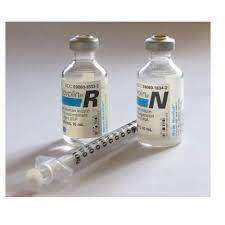
The prevention of complications arising from diabetes is paramount in ensuring long-term health. Managing this metabolic disorder effectively decreases the risk of developing serious conditions such as heart disease, kidney failure, and neuropathy related issues over time.
- The most common symptoms indicating complications involve unusual fatigue, frequent infections, vision changes—indicators that should prompt immediate medical consultation!
- Diagnosing potential complications generally involves regular check-ups including eye exams,
renal function tests,
and cardiovascular assessments. - Effective treatment includes strict adherence to medication regimens,
regular self-monitoring of blood sugars,
and implementing lifestyle modifications encompassing diet & exercise routines. - Furthermore,
working closely with healthcare providers ensures personalized strategies targeting prevention measures unique to individual health status.
By prioritizing preventive care,
patients dramatically lower their risk factors associated with advanced stages resulting from poorly controlled blood sugars!
DIABETIC NEUROPATHY TREATMENT
Diabetic neuropathy is a type of nerve damage that occurs due to high blood sugar levels over time. This complication chiefly affects people with long-standing diabetes but can develop subtly within anyone with uncontrolled glucose levels. Early recognition is essential for effective management.
- The primary symptoms include tingling, pain, sensitivity in hands or feet, and numbness that may worsen over time if untreated.
- A healthcare provider will assess symptoms along with foot examinations to check for any abnormalities or injuries associated with nerve damage.
- Treatment focuses on controlling blood sugar levels through lifestyle changes, medications for pain relief, and regular monitoring of foot health to prevent serious complications such as ulcers or infections.
- Pain management therapies may also include topical treatments or certain antidepressants known to relieve nerve pain specifically linked to diabetes.
- With vigilance in managing both neuropathy and overall diabetes care, patients can improve their quality of life significantly.
Effective action against diabetic neuropathy minimizes long-term risks associated with this condition.
GESTATIONAL DIABETES CARE
Gestational diabetes occurs during pregnancy when the body cannot produce enough insulin. This condition affects both the mother and baby if not managed appropriately. Awareness and early intervention are crucial during this period for healthy outcomes.
- This type often does not show noticeable symptoms, making screening essential between the 24th and 28th week of pregnancy.
- A glucose tolerance test will confirm diagnosis through a series of blood sugar measurements after consuming glucose solutions.
- Pregnant women may need dietary counseling to ensure they maintain consistent energy without causing spikes in blood glucose levels.
- Insulin therapy might be required if lifestyle changes alone are insufficient in managing glucose levels during pregnancy.
- Caring for gestational diabetes helps prevent complications during delivery and ensures health for both mother and child afterwards.
Mothers who manage gestational diabetes effectively can expect positive health outcomes for themselves and their babies post-delivery.
TYPE 2 DIABETES TREATMENT
Type 2 diabetes is a more common form that arises when the body becomes resistant to insulin or when the pancreas fails to produce enough insulin. It usually develops in adults but can increasingly affect younger populations due to rising obesity rates.
- The main symptoms can include increased thirst, frequent urination, hunger, fatigue, and blurred vision.
- Diagnosis typically occurs via blood tests which assess your blood glucose levels over time.
- Management strategies focus on lifestyle changes such as improved diet and regular physical activity alongside possible medication like metformin.
- If necessary, additional medications or insulin therapy may be recommended based on individual needs.
- Regular monitoring of blood sugar levels is key to achieving optimal control and preventing complications.
A proactive approach can significantly enhance quality of life for those with Type 2 diabetes.
TYPE 1 DIABETES MANAGEMENT
Type 1 diabetes is a chronic condition where the pancreas produces little or no insulin. This type of diabetes typically appears in childhood or adolescence, but it can occur at any age. Proper management is essential for maintaining blood glucose levels within a target range.
- Symptoms include excessive thirst, frequent urination, extreme hunger, fatigue, and blurred vision.
- The diagnosis involves blood tests to measure sugar levels, often including a hemoglobin A1c test.
- Treatment primarily consists of insulin therapy; patients may use insulin injections or an insulin pump.
- Monitoring blood sugar frequently is crucial to adjusting insulin doses as needed.
- Education on diet and exercise plays a vital role in managing this condition effectively.
With appropriate care and lifestyle adjustments, individuals can lead fulfilling lives while managing their diabetes.