
Dr Banwari Lal Mi
About Me
Dr Banwari Lal Mi
MBBS
General Physician
Biography
My Clinic
OPD Hours
| Monday | Morning | 10:00 AM | - | 02:00 PM |
| Evening | 06:00 PM | - | 09:00 PM | |
| Tuesday | Morning | 10:00 AM | - | 02:00 PM |
| Evening | 06:00 PM | - | 09:00 PM | |
| Wednesday | Morning | 10:00 AM | - | 02:00 PM |
| Evening | 06:00 PM | - | 09:00 PM | |
| Thursday | Morning | 10:00 AM | - | 02:00 PM |
| Evening | 06:00 PM | - | 09:00 PM | |
| Friday | Morning | 10:00 AM | - | 02:00 PM |
| Evening | 06:00 PM | - | 09:00 PM | |
| Saturday | Morning | 10:00 AM | - | 02:00 PM |
| Evening | 06:00 PM | - | 09:00 PM | |
| Sunday | Morning | 10:00 AM | - | 02:00 PM |
| Evening | 06:00 PM | - | 09:00 PM |
Treatments
Specialised care and treatments offered
INFECTION CONTROL MEASURES
The prevention and control of infection are critical aspects of public health. Awareness regarding common pathogens and hygiene practices can significantly reduce infection rates within communities.Adopting best practices promotes healthier living environments for everyone involved
.- Common Symptoms Encountered: Fever , coughs , runny nose often signal infections requiring attention .
- Risk Factors : Close contact situations like crowded areas increase risk profiles considerably.
- < strong Diagnostic Methods :
CHOLESTEROL TESTING

A cholesterol test measures the levels of various types of cholesterol in your bloodstream. Abnormal levels could indicate an increased risk for heart disease and necessitate proactive measures for better cardiovascular health.
- Signs of High Cholesterol: While there are usually no obvious symptoms , indicators like chest pain could arise from complications .
- Testing Procedures: A simple blood draw after fasting helps analyze LDL (bad cholesterol ) , HDL (good) , triglycerides .
- Management Options: Lifestyle choices along with medications such as statins may be recommended based on individual profiles .
Regular testing is crucial for preventive care; maintaining optimal LDL/HDL ratios forms the foundation for lasting cardiovascular wellness .
ANEMIA EVALUATION
Anemia occurs when the body lacks enough healthy red blood cells to carry adequate oxygen to its tissues. Understanding its causes can guide appropriate treatment strategies to enhance overall health.
- Main Causes: Nutritional deficiencies (like iron), chronic diseases, or genetic conditions can all contribute to anemia development.
- Disease Diagnosis: Blood tests such as complete blood count (CBC) help identify anemia types by evaluating hemoglobin levels and red cell indices
- Recovery Expectations: The resolution period depends on anemia type; however, most patients see improvement with proper treatment adjustments.
- Lifestyle Tips: Adequate dietary intake rich in iron sources aids recovery significantly.
If you experience fatigue or weakness without clear reason s , reach out for an assessment that could direct necessary interventions .
THYROID FUNCTION TESTS
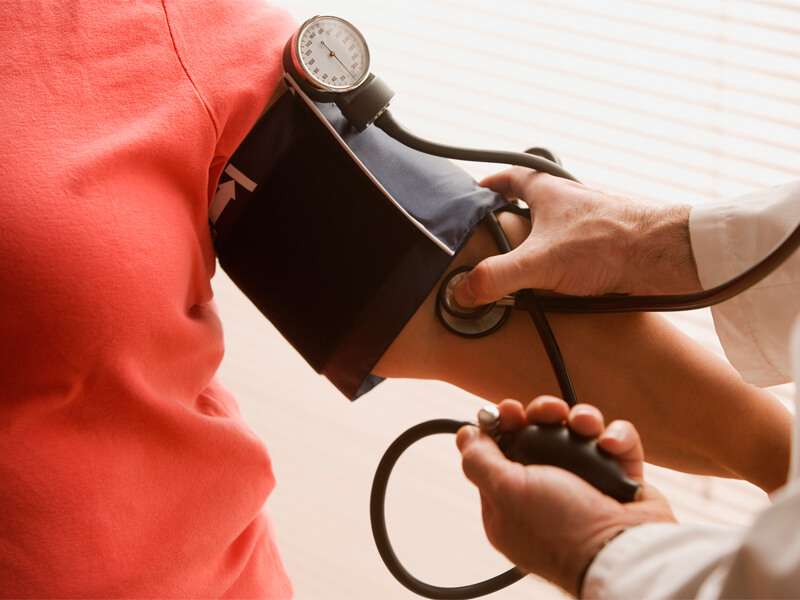
The thyroid gland plays a critical role in regulating metabolism through hormone production. Thyroid function tests are pivotal in diagnosing disorders such as hypothyroidism and hyperthyroidism.
- Status Symptoms: Fatigue, weight gain (hypothyroidism) or weight loss (hyperthyroidism), temperature sensitivity can indicate thyroid issues.
- Diagnosis Method: Blood tests measuring levels of Thyroid-Stimulating Hormone (TSH) and thyroxine provide essential insights into thyroid health.
- Treatment Options: Conditions may require hormonal replacement therapy for hypothyroidism or medications to control overproduction in hyperthyroidism cases.
If you exhibit signs of thyroid dysfunction or have concerns regarding your metabolic health, undergoing these tests can be an informative first step toward effective management.
DIABETES SCREENING

Diabetes is a chronic condition that affects how your body processes blood sugar (glucose). Early detection through screening is essential in managing and preventing complications associated with the disease.
- Symptoms of Diabetes: These can include increased thirst, frequent urination, extreme fatigue, and blurred vision.
- Diagnosis: Blood tests such as the fasting plasma glucose test or the A1C test determine your blood sugar levels over time.
- Treatment/Management: Lifestyle interventions like diet changes and physical activity are vital. Medication may also be required based on individual needs.
- Regular Monitoring: Keeping track of blood sugar levels with at-home testing kits helps manage diabetes effectively.
If you're concerned about diabetes due to personal or family history, consider getting screened to understand your risk better and take appropriate action early on.
HYPERTENSION MANAGEMENT

Hypertension, commonly referred to as high blood pressure, is a prevalent condition that may not exhibit noticeable symptoms. However, it poses a significant risk for heart disease, stroke, and kidney damage if left untreated.
- Symptoms: Many individuals experience no symptoms; however, some may suffer from headaches, shortness of breath, or nosebleeds.
- Diagnosis: Blood pressure is measured using a sphygmomanometer during a routine examination.
- Treatment Options: Management often includes lifestyle modifications such as dietary changes, regular exercise, and medication as prescribed by your healthcare provider.
- Monitoring: Regular follow-ups are crucial to ensure that your blood pressure remains within a healthy range.
- Prevention: Maintaining a healthy weight and avoiding excessive salt intake can help prevent hypertension.
If you suspect you might have hypertension or are at risk due to family history or lifestyle factors, consult with a healthcare professional for guidance and management strategies.