
Dr Banwari Lal Sh
About Me
Dr Banwari Lal Sh
MBBS
General Physician
10 Years Experience
Biography
My Clinic
OPD Hours
| Monday | Morning | 10:00 AM | - | 02:00 PM |
| Evening | 06:00 PM | - | 09:00 PM | |
| Tuesday | Morning | 10:00 AM | - | 02:00 PM |
| Evening | 06:00 PM | - | 09:00 PM | |
| Wednesday | Morning | 10:00 AM | - | 02:00 PM |
| Evening | 06:00 PM | - | 09:00 PM | |
| Thursday | Morning | 10:00 AM | - | 02:00 PM |
| Evening | 06:00 PM | - | 09:00 PM | |
| Friday | Morning | 10:00 AM | - | 02:00 PM |
| Evening | 06:00 PM | - | 09:00 PM | |
| Saturday | Morning | 10:00 AM | - | 02:00 PM |
| Evening | 06:00 PM | - | 09:00 PM | |
| Sunday | Morning | 10:00 AM | - | 02:00 PM |
| Evening | 06:00 PM | - | 09:00 PM |
Treatments
Specialised care and treatments offered
GASTROINTESTINAL HEALTH CHECK-UP
The gastrointestinal system is integral for digestion and overall nutrient absorption. Regular check-ups help identify potential disorders before they develop into serious conditions requiring extensive interventions
.- Symptoms: Common indicators include persistent abdominal pain, bloating, changes in bowel habits, or unexplained weight loss.
- Diagnosis: A comprehensive review along with imaging studies or endoscopic procedures provides clarity on gastrointestinal health status.
- Management Strategies: Depending on findings from evaluations dietary adjustment alongside medication might be advised from healthcare professionals.
Proactive screenings safeguard against future complications thereby enhancing digestive well-being significantly over time.
RESPIRATORY HEALTH EVALUATION

Your respiratory system is vital for your body's oxygen supply. Evaluating respiratory health helps detect underlying issues early on which could affect overall wellness over time.
- Symptoms: Chronic cough, wheezing, shortness of breath, and chest tightness often indicate possible respiratory concerns.
- Diagnosis: Pulmonary function tests (PFTs) measure lung capacity; imaging tests like X-rays may also be utilized.
- Treatment Options: Management plans often involve bronchodilators or steroids depending on the condition diagnosed.
- Monitoring: Regular follow-ups enable adjustments in treatment plans based on symptom progress.
Early intervention coupled with proper guidance leads to better long-term respiratory outcomes for patients facing issues.
THYROID FUNCTION TESTING

The thyroid gland plays a crucial role in regulating metabolism and energy levels. Disorders related to thyroid function require careful evaluation through specific testing methods to ensure optimal health management.
- Symptoms: Hypothyroidism may cause fatigue, weight gain, and sensitivity to cold; hyperthyroidism might present with weight loss and increased heart rate.
- Diagnosis: Blood tests measuring TSH (Thyroid-Stimulating Hormone) and thyroid hormones (T3/T4) help determine thyroid status reliably.
A thorough understanding of thyroid function contributes significantly to general well-being and energy maintenance over time.
CHOLESTEROL LEVEL ASSESSMENT
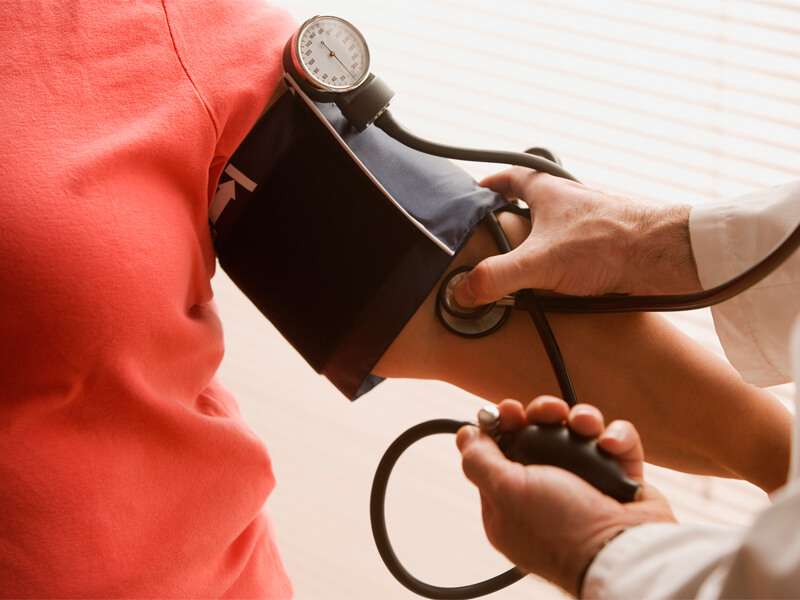
Mild elevations in cholesterol can have a profound impact on cardiovascular health over time. Regular assessments help identify potential risks before they escalate into more serious conditions.
- Symptoms: High cholesterol typically presents no immediate symptoms but increases the risk of heart disease and stroke over time.
- Diagnosis: A lipid panel blood test measures total cholesterol, LDL (bad cholesterol), HDL (good cholesterol), and triglycerides.
- Treatment Options: Dietary changes, exercise routines, and medications such as statins may be recommended based on assessment results.
A proactive approach to managing cholesterol can make significant improvements to long-term heart health outcomes.
DIABETES SCREENING

Diabetes is a metabolic disorder characterized by high blood sugar levels. Early detection through screening is crucial in preventing severe complications. Awareness of risk factors and symptoms helps in proactive management.
- Symptoms: Frequent urination, increased thirst, hunger, fatigue, and blurred vision are common signs.
- Diagnosis: Blood tests measuring glucose levels—such as fasting glucose tests or HbA1c—are standard diagnostic tools.
- Treatment Options: Depending on the type of diabetes diagnosed, management may include lifestyle changes, oral medications, or insulin therapy.
- Coping Strategies: Regular monitoring of blood sugar levels and dietary adjustments play a significant role in daily management.
An early diagnosis facilitates effective intervention strategies that can drastically improve quality of life.
HYPERTENSION MANAGEMENT

Hypertension, commonly known as high blood pressure, is a chronic condition that affects many individuals. It can lead to serious health complications if left unmanaged. Understanding its symptoms and management strategies is essential for maintaining overall health.
- Symptoms: Often asymptomatic, it may include headaches, shortness of breath, or nosebleeds in severe cases.
- Diagnosis: Blood pressure is measured using a sphygmomanometer; multiple readings are taken over time to confirm diagnosis.
- Treatment Options: Lifestyle modifications such as diet and exercise are critical. Medications like diuretics or ACE inhibitors may also be prescribed.
- Management: Regular monitoring of blood pressure levels and routine medical check-ups are vital for effective control.
- What to Expect: With proper management, individuals can lead active lives while minimizing complication risks.
Aiming for healthy blood pressure levels significantly reduces the risk of heart disease and stroke.