
Dr Baquauddin Qua
About Me
Dr Baquauddin Qua
MD
Dermatologist
Biography
My Clinic
OPD Hours
| Monday | Morning | 10:00 AM | - | 02:00 PM |
| Evening | 06:00 PM | - | 09:00 PM | |
| Tuesday | Morning | 10:00 AM | - | 02:00 PM |
| Evening | 06:00 PM | - | 09:00 PM | |
| Wednesday | Morning | 10:00 AM | - | 02:00 PM |
| Evening | 06:00 PM | - | 09:00 PM | |
| Thursday | Morning | 10:00 AM | - | 02:00 PM |
| Evening | 06:00 PM | - | 09:00 PM | |
| Friday | Morning | 10:00 AM | - | 02:00 PM |
| Evening | 06:00 PM | - | 09:00 PM | |
| Saturday | Morning | 10:00 AM | - | 02:00 PM |
| Evening | 06:00 PM | - | 09:00 PM | |
| Sunday | Morning | 10:00 AM | - | 02:00 PM |
| Evening | 06:00 PM | - | 09:00 PM |
Treatments
Specialised care and treatments offered
ROSACEA
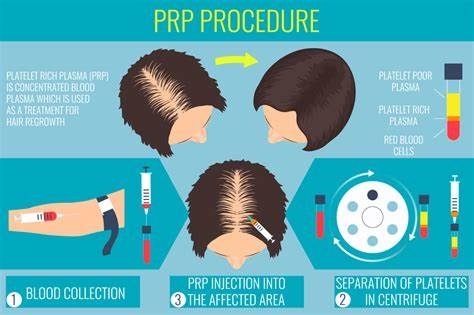
This common yet complex chronic facial disorder primarily affects adults causing flushing/redness appearing chiefly across nose/cheeks/chin leading some patients feel self-conscious about their appearance. ;
CONTACT DERMATITIS
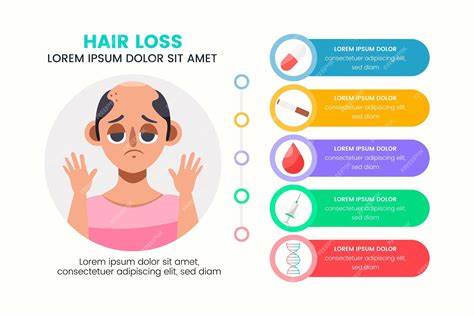
This type of dermatitis occurs when your immune system reacts negatively upon contact with certain substances—making it vital for individuals who frequently interact with products containing potential irritants!
SKIN INFECTIONS (BACTERIAL/FUNGAL)
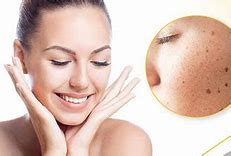
Bacterial and fungal infections of the skin vary widely in appearance but commonly present with redness, swelling, pain or itchy lesions. Early detection plays a crucial role in effective management.
- Common types: Conditions like cellulitis (bacterial) or Tinea corporis (ringworm - fungal) are examples that require prompt treatment to prevent complications.
- Symptoms: Symptoms often include localized warmth or tenderness along with possible drainage from any open sores created by infection spreading under the surface layer of tissue.
- Disease confirmation:: A dermatologist will diagnose these infections based on clinical evaluation; sometimes cultures are taken from lesions for precise identification of pathogens involved.
ACNE
Acne is one of the most prevalent skin conditions affecting adolescents and adults alike. It occurs when hair follicles become clogged with oil and dead skin cells, leading to pimples or cysts on the face, back, or shoulders.
- Causative factors: Hormonal changes during puberty, certain medications, diet choices, and stress can exacerbate acne severity.
- Symptoms: Symptoms include whiteheads, blackheads, pustules or cysts; it may also cause scarring if not treated effectively.
- How it’s diagnosed: A dermatologist evaluates the patient’s medical history and performs a physical examination of the affected areas.
- Treatment options: Management strategies may involve topical retinoids, antibiotics for inflammatory acne cases or hormonal treatments for women experiencing flare-ups related to menstrual cycles.
Persistent cases can be managed with tailored therapy plans resulting in clearer skin over time while minimizing potential scars.
ECZEMA (ATOPIC DERMATITIS)
Eczema is a common inflammatory skin condition characterized by dry, itchy, and inflamed patches of skin. It often begins in childhood but can persist into adulthood or even appear later in life.
- Causes: It is thought to be linked to genetics as well as environmental factors such as allergens and irritants.
- Symptoms: Common symptoms include intense itching, redness, dryness, and thickened or leathery skin over time.
- Diagnosis: Diagnosis typically involves assessing medical history and examining the affected skin areas; sometimes patch testing is used for allergens.
- Treatment options: Treatments may involve moisturizing creams, topical steroids, antihistamines for itching, and lifestyle modifications to avoid triggers.
The key to managing eczema is understanding personal triggers and maintaining healthy skin through proper hydration and care routines.
PSORIASIS
Psoriasis is a chronic autoimmune condition that leads to the rapid growth of skin cells, causing scaling on the skin’s surface. This often results in red patches covered with thick, silvery scales. The condition can be uncomfortable and affect self-esteem.
- Symptoms: Common symptoms include red patches of skin, silvery scales, dry and cracked skin that may bleed, and itching or burning sensations.
- Diagnosis: Psoriasis is typically diagnosed through a physical examination; sometimes a skin biopsy is performed to confirm the diagnosis.
- Treatment options: Management includes topical treatments, phototherapy, and systemic medications that reduce inflammation or slow down cell turnover.
- What to expect: While psoriasis is not curable, many patients find effective treatment options that manage their symptoms and improve their quality of life.
A comprehensive treatment approach tailored to individual needs can lead to significant improvements in managing this condition.