
Dr Batra
About Me
Dr Batra
Cardiologist
Biography
My Clinic
OPD Hours
| Tuesday | Morning | 10:00 AM | - | 02:00 PM |
| Evening | 06:00 PM | - | 09:00 PM | |
| Wednesday | Morning | 10:00 AM | - | 02:00 PM |
| Evening | 06:00 PM | - | 09:00 PM | |
| Thursday | Morning | 10:00 AM | - | 02:00 PM |
| Evening | 06:00 PM | - | 09:00 PM | |
| Friday | Morning | 10:00 AM | - | 02:00 PM |
| Evening | 06:00 PM | - | 09:00 PM | |
| Saturday | Morning | 10:00 AM | - | 02:00 PM |
| Evening | 06:00 PM | - | 09:00 PM | |
| Sunday | Morning | 10:00 AM | - | 02:00 PM |
| Evening | 06:00 PM | - | 09:00 PM | |
| Thursday | Morning | 10:00 AM | - | 02:00 PM |
| Evening | 06:00 PM | - | 09:00 PM |
Treatments
Specialised care and treatments offered
STRESS TESTING

A stress test assesses how well your heart functions under physical exertion. By monitoring your heart during exercise on a treadmill or stationary bike, valuable information about cardiac performance under strain can be obtained.
- Symptoms indicating this need might involve unexplained chest pain during exertion or significant dyspnea when engaging in routine activities.
- The diagnostic phase includes obtaining patient history as well as undergoing baseline measurements prior proceeding onto exercise protocols tailored specifically according respective capabilities! <
- Treatment consideration derived from findings could range anywhere between dietary adjustments alongside increased physical activity levels all way until potential therapeutic intervention requirements based off results interpretation! <
- Recovery happens immediately following completion enabling participants return home within hour post-testing completion! < This process equips healthcare providers with crucial insights towards establishing effective management plans catering individual circumstances helping optimize cardiovascular fitness levels right away!
CATHETER ABLATION
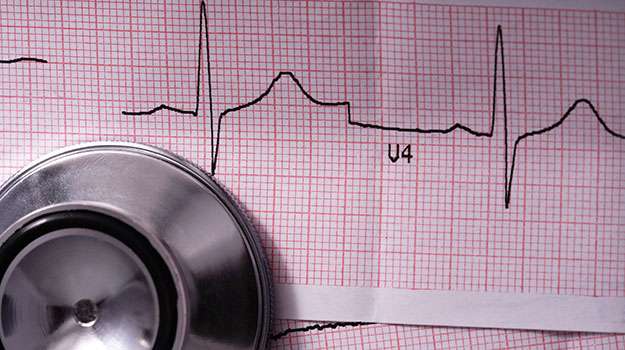
Cathater ablation is a minimally invasive procedure designed to treat abnormal heart rhythms (arrhythmias). It involves delivering targeted energy pulses through catheters inserted into veins leading to the heart tissue responsible for causing irregular heartbeats.
- Patients may experience symptoms such as rapid heartbeat, dizziness, or fatigue prompting further investigation into their condition.
- The diagnosis often includes monitoring with an ECG and possibly an electrophysiology study which identifies precise areas requiring treatment via ablation.
- Treatment options involve radiofrequency energy or cryothermal energy approaches depending upon individual needs; both aim at repairing electrical pathways effectively eliminating arrhythmias.
- The typical recovery period lasts only hours post-procedure due to its minimally invasive nature; however follow-up appointments remain essential for ensuring successful outcomes!
TRANSESOPHAGEAL ECHOCARDIOGRAM (TEE)
A transesophageal echocardiogram (TEE) provides detailed images of the heart using sound waves sent through the esophagus. It allows cardiologists to see structures that are hard to visualize with standard echocardiography.
- This procedure may be indicated in cases where there are concerns about blood clots or abnormalities detected in previous tests.
- During diagnosis, your doctor may recommend TEE due to inconclusive results from other imaging techniques or when better detail is needed for treatment planning.
- Treatment options based on TEE results range from medications aimed at managing specific conditions to referrals for surgical procedures if required.
- The TEE requires sedation but typically has a quick recovery time with minimal discomfort afterward.
This comprehensive view aids in timely interventions and enhanced cardiac care precision!
HOLTER MONITOR
A Holter monitor is a portable device used to continuously record the heart's rhythm over 24 hours or longer. It helps in identifying irregular heartbeat patterns that may not show up during a standard ECG.
- Symptoms leading to this evaluation might include palpitations, dizziness, or fainting spells.
- The test is typically suggested after observing unusual findings in preliminary tests like an ECG or stress test.
- Your doctor will analyze data collected by the monitor to determine if any abnormalities exist that require treatment with medication or lifestyle adjustments.
- After wearing the monitor for the designated time period, you return it for analysis; normal activities can be maintained while wearing it.
This tool is invaluable for pinpointing elusive arrhythmias and tailoring personalized treatment strategies.
ECHOCARDIOGRAM
An echocardiogram is an ultrasound test that visualizes the heart's structure and function. This non-invasive method provides crucial information about heart size, shape, and blood flow patterns.
- Common reasons for this test include symptoms like unexplained shortness of breath or irregular heartbeats.
- The procedure is usually diagnosed through physical examination followed by imaging studies where sound waves create moving images of your heart.
- Treatment insights gained from this test can lead to recommendations for medications, lifestyle changes, or further interventions if necessary.
- Patients can expect no downtime after an echocardiogram, allowing them to resume daily activities immediately.
This test is essential for early detection of potential heart issues and ongoing cardiac health management.
CORONARY ANGIOPLASTY
Coronary angioplasty is a minimally invasive procedure that helps open narrowed or blocked coronary arteries to improve blood flow to the heart. This procedure is often accompanied by the placement of a stent to keep the artery open.
- Symptoms may include chest pain, shortness of breath, or fatigue, particularly during physical activity.
- Diagnosis typically involves tests like an electrocardiogram (ECG), stress testing, and coronary angiography.
- Treatment usually consists of the angioplasty itself, accompanied by lifestyle changes and medication to prevent further blockages.
- Following the procedure, patients can expect monitoring in a recovery area before being sent home on the same day or the next.
This efficient approach significantly reduces recovery time compared to traditional surgery and enhances quality of life.