
Dr Batra
About Me
Dr Batra
Cardiologist
Biography
My Clinic
OPD Hours
| Tuesday | Morning | 10:00 AM | - | 02:00 PM |
| Evening | 06:00 PM | - | 09:00 PM | |
| Wednesday | Morning | 10:00 AM | - | 02:00 PM |
| Evening | 06:00 PM | - | 09:00 PM | |
| Thursday | Morning | 10:00 AM | - | 02:00 PM |
| Evening | 06:00 PM | - | 09:00 PM | |
| Friday | Morning | 10:00 AM | - | 02:00 PM |
| Evening | 06:00 PM | - | 09:00 PM | |
| Saturday | Morning | 10:00 AM | - | 02:00 PM |
| Evening | 06:00 PM | - | 09:00 PM | |
| Sunday | Morning | 10:00 AM | - | 02:00 PM |
| Evening | 06:00 PM | - | 09:00 PM | |
| Thursday | Morning | 10:00 AM | - | 02:00 PM |
| Evening | 06:00 PM | - | 09:00 PM |
Treatments
Specialised care and treatments offered
HYPERTENSION CRISIS

A hypertension crisis represents an acute increase in blood pressure that poses immediate health risks such as stroke or organ damage. It’s critical to recognize this state early to instigate rapid treatment protocols tailored toward stabilizing blood pressure levels efficiently!
- You may experience severe headaches, anxiety episodes, or blurred vision – key indicators signaling potential issues related to high blood pressure crises!
- The diagnosis often necessitates measuring blood pressure multiple times alongside other clinical evaluations conducted by healthcare professionals!
- Treatment modalities typically consist of intravenous medications aimed at lowering blood pressures safely while minimizing complications during hospital admission periods! /
- Certain lifestyle modifications afterward help maintain stable levels post-crisis!
An urgent yet effective strategy coupled with ongoing support fosters better living among patients managing hypertension-related concerns long-term!
CONGENITAL HEART DEFECTS
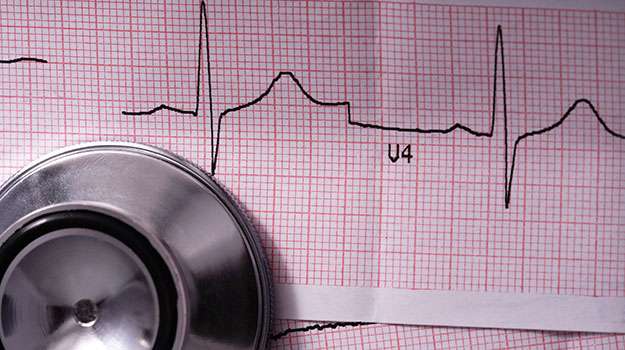
Congenital heart defects are structural problems in the heart present from birth. These defects affect how blood flows through the heart and can lead to complications later in life if not monitored properly. Early detection plays a critical role in management strategies.
- The spectrum of symptoms ranges from mild issues that might go unnoticed to more serious conditions presenting with cyanosis or respiratory distress soon after birth.
- A thorough examination supplemented by imaging techniques helps diagnose these conditions accurately during infancy or childhood visits to healthcare facilities.
- Treatment varies based on severity—from monitoring over time to surgical corrections aimed at restoring normal function within the heart structure.
An interdisciplinary approach ensures comprehensive care for individuals affected by congenital heart defects throughout their lives!
CEREBRAL EMBOLISM
Cerebral embolism occurs when a clot travels through the bloodstream and lodges in brain arteries. This potentially life-threatening condition is a form of stroke and requires prompt medical action. Understanding risk factors is vital for prevention strategies.
- The most common symptoms include sudden weakness, difficulty speaking, or severe headache.
- Your healthcare provider will typically perform imaging tests like CT scans for an accurate diagnosis of an embolic event.
- Treatment options focus on restoring blood flow through medications or surgical interventions if necessary.
- Lifestyle modifications post-recovery are crucial in preventing future occurrences and maintaining brain health.
If addressed quickly, recovery from cerebral embolism improves significantly with appropriate care pathways in place.
ARRHYTHMIA
Arrhythmia refers to irregular heartbeats that can disrupt the normal functioning of the cardiovascular system. While some arrhythmias are harmless, others require medical intervention. Recognizing unusual patterns in your heartbeat is important for health maintenance.
- Common symptoms include palpitations, dizziness, or fainting spells.
- An electrocardiogram (ECG) is usually employed to diagnose the specific type of arrhythmia accurately.
- Treatment may involve lifestyle changes or medications; more severe cases might necessitate interventions like catheter ablation or implantable devices.
- A physician's guidance on managing stress and stimulants can also play a role in reducing episodes.
The right care plan can help stabilize your heart rhythm effectively and improve overall well-being.
HEART FAILURE
Heart failure is a condition where the heart cannot pump sufficiently to maintain blood flow to meet the body’s needs. It can arise from various causes including coronary artery disease and high blood pressure. Understanding the signs can lead to better management of your health.
- Common symptoms include fatigue, swelling in the legs, and rapid heartbeat.
- A comprehensive evaluation often includes echocardiograms and physical examinations for accurate diagnosis.
- Treatment usually involves medications like ACE inhibitors along with lifestyle adjustments such as diet changes and exercise programs.
- Routine follow-ups are essential for monitoring progress and adjusting therapies as needed.
An informed approach can significantly enhance quality of life for individuals dealing with heart failure.
ACUTE MYOCARDIAL INFARCTION
Acute myocardial infarction, commonly known as a heart attack, occurs when blood flow to the heart muscle is abruptly blocked. This condition is a medical emergency that requires immediate attention. Recognizing the symptoms early can save lives.
- Symptoms include chest pain, shortness of breath, and nausea.
- The diagnosis typically involves an ECG and blood tests measuring cardiac biomarkers.
- Treatment options may include medications like aspirin or thrombolytics, and procedures such as angioplasty.
- Post-treatment management often includes lifestyle changes and medication adherence.
- Patients can expect regular follow-ups to monitor recovery and prevent future incidents.
A timely response is crucial in improving outcomes associated with heart attacks.