
Dr Batra
About Me
Dr Batra
Dermatologist
Biography
My Clinic
OPD Hours
| Tuesday | Morning | 10:00 AM | - | 02:00 PM |
| Evening | 06:00 PM | - | 09:00 PM | |
| Wednesday | Morning | 10:00 AM | - | 02:00 PM |
| Evening | 06:00 PM | - | 09:00 PM | |
| Thursday | Morning | 10:00 AM | - | 02:00 PM |
| Evening | 06:00 PM | - | 09:00 PM | |
| Friday | Morning | 10:00 AM | - | 02:00 PM |
| Evening | 06:00 PM | - | 09:00 PM | |
| Saturday | Morning | 10:00 AM | - | 02:00 PM |
| Evening | 06:00 PM | - | 09:00 PM | |
| Sunday | Morning | 10:00 AM | - | 02:00 PM |
| Evening | 06:00 PM | - | 09:00 PM | |
| Thursday | Morning | 10:00 AM | - | 02:00 PM |
| Evening | 06:00 PM | - | 09:00 PM |
Treatments
Specialised care and treatments offered
WART REMOVAL
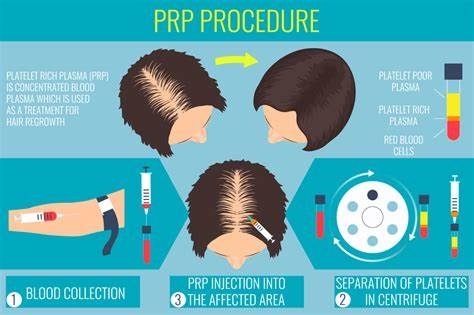
Warts are benign growths caused by human papillomavirus (HPV), often appearing on hands feet genital areas They’re generally harmless but can be bothersome aesthetically causing discomfort:
ROSACEA
Rosacea is a chronic inflammatory skin condition primarily affecting facial areas resulting in redness and visible blood vessels. Although it has no cure yet proper management helps alleviate symptoms significantly over time:
HYPERPIGMENTATION
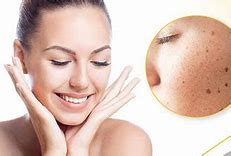
Hyperpigmentation refers to darkened areas of skin caused by excess melanin production. This condition can result from sun exposure, hormonal changes, or certain medications affecting pigmentation balance in the skin.
- Symptoms: Notable signs include dark spots or patches appearing on various body parts such as the face or hands especially after sun exposure;
ECZEMA
Eczema is an inflammatory condition characterized by dry, itchy patches on the skin. It commonly appears in children but can persist into adulthood or arise later in life.
- Symptoms: Individuals experience red rashes that may ooze or become crusty; severe itching is also common which can disturb sleep.
- Causes: Allergens like dust mites or specific foods often trigger eczema flares alongside genetic predispositions.
- Diagnosis: A thorough assessment including medical history helps to identify eczema types; sometimes allergy testing might be necessary for confirmation.
- Treatment: Management includes using emollients regularly along with corticosteroid creams during flare-ups to calm inflammation.
- Management: Recognizing personal triggers—be it environmental or dietary—is key to minimizing episodes of eczema exacerbation.
Eczema management focuses on restoring moisture to relieve discomfort. With appropriate care strategies, individuals can lead comfortable lives despite this condition.
PSORIASIS
Psoriasis is a chronic autoimmune condition that speeds up cell turnover, leading to the formation of scales and red patches that can be itchy or painful. It often requires ongoing management for effective relief.
- Symptoms: Patients may notice thickened, red skin with silvery scales particularly on elbows, knees, or scalp.
- Causes: Triggers include stress, infections, and extreme weather conditions like cold.
- Diagnosis: Diagnosis is generally based on the visual examination of the affected skin by a dermatologist.
- Treatment: Treatment options may include topical treatments like corticosteroids or vitamin D analogues along with phototherapy sessions.
- Management: Lifestyle factors such as avoiding triggers and maintaining a healthy weight are crucial in managing flare-ups.
A clear understanding of psoriasis can lead to effective coping strategies. Treatments aim not only at symptoms but also enhancing quality of life.
ACNE
Acne is a common skin condition that affects individuals of all ages. It occurs when hair follicles become clogged with oil and dead skin cells, leading to the formation of pimples, blackheads, and cysts.
- Symptoms: Common signs include inflamed red spots, cysts, and occasionally painful lesions on the face, back, and shoulders.
- Causes: Hormonal changes, stress, and certain medications can trigger acne.
- Diagnosis: A dermatologist will typically assess your skin and may ask about your medical history to diagnose the condition.
- Treatment: Options include topical retinoids, antibiotics for inflammation, and lifestyle adjustments like a balanced diet.
- Management: Regular cleansing routines and non-comedogenic products can help control outbreaks effectively.
Understanding acne can empower you to manage it better. Treatment can significantly improve skin appearance and health.