
Dr BB Bharti
About Me
Dr BB Bharti
MBBS
General Physician
10 Years Experience
Biography
My Clinic
OPD Hours
| Monday | Morning | 10:00 AM | - | 02:00 PM |
| Evening | 06:00 PM | - | 09:00 PM | |
| Tuesday | Morning | 10:00 AM | - | 02:00 PM |
| Evening | 06:00 PM | - | 09:00 PM | |
| Wednesday | Morning | 10:00 AM | - | 02:00 PM |
| Evening | 06:00 PM | - | 09:00 PM | |
| Thursday | Morning | 10:00 AM | - | 02:00 PM |
| Evening | 06:00 PM | - | 09:00 PM | |
| Friday | Morning | 10:00 AM | - | 02:00 PM |
| Evening | 06:00 PM | - | 09:00 PM | |
| Saturday | Morning | 10:00 AM | - | 02:00 PM |
| Evening | 06:00 PM | - | 09:00 PM | |
| Sunday | Morning | 10:00 AM | - | 02:00 PM |
| Evening | 06:00 PM | - | 09:00 PM |
Treatments
Specialised care and treatments offered
GASTROESOPHAGEAL REFLUX DISEASE (GERD)
This chronic digestive condition occurs when stomach acid frequently flows back into the esophagus leading to irritation. Understanding GERD's effects helps in choosing suitable treatment options that can significantly enhance quality of life.
- Symptoms: Key symptoms include heartburn, regurgitation of food or sour liquid, difficulty swallowing, and persistent cough especially at night.
- Causative Factors: Causes can contain factors like obesity, certain foods triggering reflux (like citrus), smoking habits; these all contribute to increased acidity in the esophagus.
ASTHMA
Asthma is a chronic respiratory condition characterized by inflammation of the airways which leads to difficulty breathing. Proper management allows individuals to lead active lives while controlling their symptoms effectively.
- Symptoms: Common symptoms include wheezing, coughing at night or early morning, shortness of breath, and chest tightness during physical activity or exposure to triggers.
- Causes: Triggers can be allergens such as pollen or dust mites; irritants like smoke or strong scents; as well as respiratory infections or cold air exposure.
- Diagnosis: Diagnosis often involves pulmonary function tests that measure how well your lungs are working alongside reviewing medical history and symptom patterns.
- Treatment Options: Treatment typically involves inhaled corticosteroids to reduce inflammation and bronchodilators to relieve symptoms when they arise.
- What to Expect: With proper medication adherence and avoidance of triggers, most patients can achieve good symptom control and maintain an active lifestyle without restrictions.
A personalized asthma action plan developed with a healthcare provider greatly assists in managing this condition effectively.
DIABETES MANAGEMENT

Diabetes mellitus refers to a group of diseases that affect how your body uses blood sugar (glucose). This condition can lead to serious health complications if not managed properly. Education on self-care practices is key for successful management.
- Symptoms: Symptoms often include increased thirst, frequent urination, extreme fatigue, and blurred vision.
- Causes: Factors may vary but typically involve genetic predisposition along with lifestyle choices like poor diet and inactivity.
- Diagnosis: Diagnosis is usually made through blood tests measuring glucose levels after fasting or post-meal testing.
- Treatment Options: Management includes dietary adjustments, regular exercise, monitoring blood glucose levels, and may involve insulin therapy or oral medications depending on the type of diabetes.
- What to Expect: Individuals who actively manage their diabetes can lead a full life while minimizing their risk for long-term complications such as cardiovascular issues and nerve damage.
An ongoing relationship with your healthcare provider is essential for effective diabetes management throughout your life.
HYPERTENSION
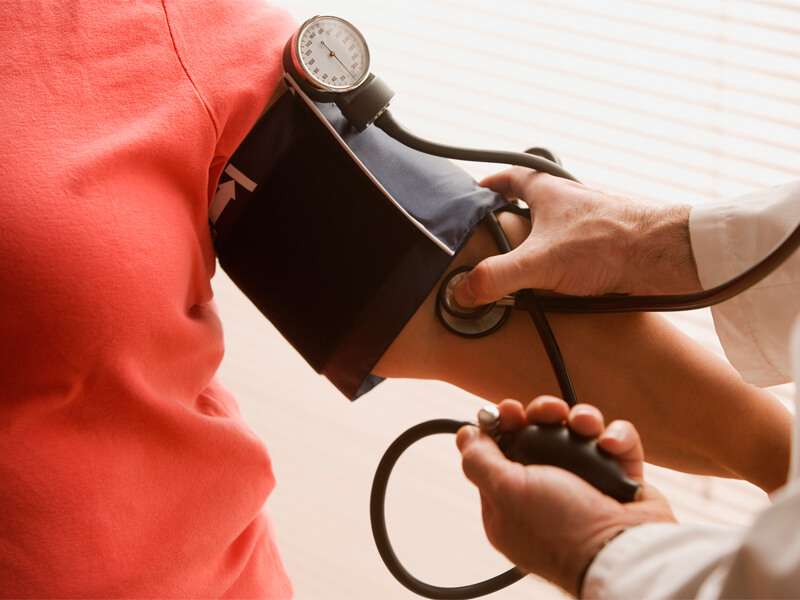
High blood pressure, commonly referred to as hypertension, is a chronic condition that affects millions worldwide. It is often dubbed the 'silent killer' due to its lack of noticeable symptoms, which makes regular monitoring essential for effective management.
- Symptoms: Many individuals may not experience symptoms; however, some may report headaches, fatigue, and vision problems.
- Causes: Common causes include obesity, lack of physical activity, excessive salt intake, and high-stress levels.
- Diagnosis: Hypertension is diagnosed through routine blood pressure measurements using a sphygmomanometer during medical check-ups.
- Treatment Options: Management typically involves lifestyle modifications like diet and exercise along with medications such as diuretics and ACE inhibitors.
- What to Expect: With appropriate treatment and lifestyle changes, most people can maintain healthy blood pressure levels and reduce their risk of complications.
Regular check-ups with your healthcare provider are vital in managing hypertension effectively.