
Dr BD Gupta
About Me
Dr BD Gupta
MBBS
Pediatrics
Biography
My Clinic
OPD Hours
| Monday | Morning | 10:00 AM | - | 02:00 PM |
| Evening | 06:00 PM | - | 09:00 PM | |
| Tuesday | Morning | 10:00 AM | - | 02:00 PM |
| Evening | 06:00 PM | - | 09:00 PM | |
| Wednesday | Morning | 10:00 AM | - | 02:00 PM |
| Evening | 06:00 PM | - | 09:00 PM | |
| Thursday | Morning | 10:00 AM | - | 02:00 PM |
| Evening | 06:00 PM | - | 09:00 PM | |
| Friday | Morning | 10:00 AM | - | 02:00 PM |
| Evening | 06:00 PM | - | 09:00 PM | |
| Saturday | Morning | 10:00 AM | - | 02:00 PM |
| Evening | 06:00 PM | - | 09:00 PM | |
| Sunday | Morning | 10:00 AM | - | 02:00 PM |
| Evening | 06:00 PM | - | 09:00 PM |
Treatments
Specialised care and treatments offered
PEDIATRIC ORTHOPEDIC SURGERY
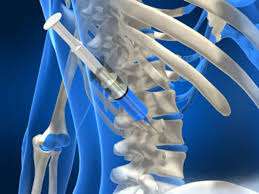
Pediatric orthopedic surgery addresses musculoskeletal disorders ranging from congenital deformities to traumatic injuries. Children’s bones grow at different rates than adults', requiring specialized care approaches tailored specifically for them by experienced surgeon professionals proficiently qualified practicing this area specialty fields!
- >(detailed &l Diagnostic investigations help ascertain root causes behind these issues covering aspects like x-rays assessments Scoliosis screening deformities assessments childhood injuries cause effects study also methodologically.)nbsp;(Nothing ruled out here--either conservative /operatively).)((either diagnostic investigation computed tomography scans etc.) diagnosing osteoarthritis/severe traumas 7 up patients lacking usual growth).so forth Hence its pivotal youngsters reach peak performance throughout entire maturation phases without hinderance upon resolution created limits . Potential risks remain reduced through active involvement teamwork combined traditional rehabilitation therapies promoting adaptability functional mobility goals performance parents assisting safely streamline recovery periods maximizing potential output.! u l i / L e t t E r I S E . U l I L E T T E R I S E ! I n i t H e A T h o U g h t f O r c H o R e C U r s i V e c A u s e s Y P v O u B Attempting taking parental advice ongoing reinforcing synergy create opportunity produce beneficial outcomes averting unnecessary complications offering support navigation throughout generation lifespans appears therefore paramount goal
CLEFT LIP AND PALATE REPAIR

Cleft lip and palate are congenital conditions where a baby is born with openings in the upper lip or roof of the mouth. These defects can affect eating, speaking, hearing, and dental health; thus timely intervention is crucial for optimal development.
- The most evident symptom is a noticeable split in the lip (cleft lip) or palatine structure (cleft palate) that varies in severity among children. Feeding challenges often accompany these conditions due to difficulty achieving suction while breastfeeding or bottle-feeding.
- A comprehensive diagnosis typically involves physical examination at birth alongside imaging studies if required for planning surgeries ahead.
- Surgical repair generally occurs within the first years of life; multiple surgeries may be required as your child grows. These procedures aim at restoring functionality while improving appearance while preventing future complications related to speech development too!
PEDIATRIC GASTROESOPHAGEAL REFLUX DISEASE (GERD)

Pediatric gastroesophageal reflux disease occurs when stomach contents flow back into the esophagus frequently. It's important to address this issue early because it can lead to discomfort or feeding difficulties in infants.
PEDIATRIC ASTHMA MANAGEMENT

Asthma is a chronic condition affecting the airways in children. It is characterized by episodes of wheezing, coughing, chest tightness, and difficulty breathing. Understanding asthma triggers and developing an effective management plan are key to controlling symptoms.
- The main symptoms of asthma include wheezing during breathing out, persistent coughs especially at night or during exercise, and shortness of breath.
- A thorough evaluation including lung function tests helps in establishing an asthma diagnosis and identifying triggers such as allergens or respiratory infections.
- Treatment often consists of daily medications known as controller medications, along with rescue inhalers used during asthma attacks to relieve symptoms quickly.
- Your child’s management plan should be regularly reviewed to adjust medications based on their current condition and activities.
Pediatric asthma can be effectively managed with proper education and resources available for families throughout treatment planning.
CONGENITAL HEART DEFECTS

Congenital heart defects encompass a range of structural problems with the heart that are present from birth. Early detection and management are vital for ensuring long-term health outcomes for affected children.
- Common signs include cyanosis (a bluish tint to the skin), difficulty breathing, rapid heartbeat, and fatigue during exertion.
- The diagnosis typically involves echocardiograms, chest X-rays, or cardiac catheterization to assess the severity of the defect.
- Treatment options vary widely based on the specific defect but may include medications, interventions such as catheter-based procedures, or open-heart surgery for more complex cases.
- Regular follow-ups with a pediatric cardiologist are essential for managing the child's health as they grow and develop.
A proactive approach can lead to successful outcomes in children with congenital heart defects.
PEDIATRIC APPENDICITIS

Pediatric appendicitis is a common condition that occurs when the appendix becomes inflamed and infected. This condition typically presents with abdominal pain, and prompt medical attention is crucial to prevent complications.
- Symptoms include sudden pain in the lower right abdomen, nausea, vomiting, and loss of appetite.
- The condition is often diagnosed through a combination of physical examinations, imaging techniques like ultrasound or CT scans, and lab tests.
- Treatment usually involves surgical removal of the appendix (appendectomy), which can be performed laparoscopically in many cases for quicker recovery.
- Post-operative management may include pain relief and monitoring for any potential complications or infections.
- Most children recover fully after surgery and can return to their normal activities within a few weeks.
If you suspect your child may have appendicitis, it is essential to seek medical help promptly to ensure proper care.