
Dr Bedekar
About Me
Dr Bedekar
Pediatrician
Biography
My Clinic
OPD Hours
| Tuesday | Morning | 10:00 AM | - | 02:00 PM |
| Evening | 06:00 PM | - | 09:00 PM | |
| Wednesday | Morning | 10:00 AM | - | 02:00 PM |
| Evening | 06:00 PM | - | 09:00 PM | |
| Thursday | Morning | 10:00 AM | - | 02:00 PM |
| Evening | 06:00 PM | - | 09:00 PM | |
| Friday | Morning | 10:00 AM | - | 02:00 PM |
| Evening | 06:00 PM | - | 09:00 PM | |
| Saturday | Morning | 10:00 AM | - | 02:00 PM |
| Evening | 06:00 PM | - | 09:00 PM | |
| Sunday | Morning | 10:00 AM | - | 02:00 PM |
| Evening | 06:00 PM | - | 09:00 PM | |
| Thursday | Morning | 10:00 AM | - | 02:00 PM |
| Evening | 06:00 PM | - | 09:00 PM |
Treatments
Specialised care and treatments offered
BRONCHIOLITIS

This viral infection primarily impacts infants & young toddlers affecting their airway's smallest passages leading difficulty breathing episodes occasionally resulting hospitalization based severity encountered during acute phases particularly winter months generally triggered by RSV (respiratory syncytial virus) among others present.
- Symptomscan manifest through wheezing/coughing/sneezing alongside labored breaths observed visibly support crucially over observations made thereof !
- Diagnosis established mainly based assessment clinical features alone rather than requiring laboratory intervention unless atypical components arise necessitating deeper investigations respectively .
- Treatment focus mainly rests on symptom management ensuring adequate hydration/mild humidification environment maintained increasing comfort levels achievable effectively overall , while close monitoring involved additionally .
While bronchiolitis tends clear naturally within weeks understanding ongoing vigilance proves key regarding comorbid factors presenting severe risk depending individual circumstances faced broadly entails enhancing safety temperatures effectively prevented appropriately thereafter optimal health sustained longer term purposefully !
DEHYDRATION

Dehydration occurs when a child loses more fluids than they take in. This can happen due to various reasons including diarrhea, vomiting or fever during illness where adequate fluid intake might not happen sufficiently!
- The primary symptoms indicating dehydration are dry mouth/thirstiness alongside decreased urination frequency/tears while crying!
- A physician will assess hydration status through clinical evaluation focusing on vital signs/physical signs (like skin turgor) plus urine tests when required/persistent concerns exist!
- Treatment involves rehydrating via oral rehydration solutions if mild-moderate levels exist! Severe cases need IV fluids delivered directly under professional supervision!
If early signs noted promptly acted upon assist minimize complication risks allowing quicker recovery pathways available beneficially going forward!
OTITIS MEDIA

Otitis media refers to an infection or inflammation of the middle ear commonly seen in young children. It's often linked to upper respiratory infections like colds or allergies.
- This condition typically manifests with signs such as ear pain (pulling at ears), irritability, fever, and sometimes drainage from the ear if perforation occurs.
- A physical examination of the eardrum helps confirm diagnosis; sometimes additional tests are needed for recurrent cases.
- Treatment may involve watchful waiting for mild cases; otherwise, antibiotics are prescribed when indicated. Pain relief medications also play a role in management!
- If recurrent infections occur frequently enough (3+ times within 6 months), further evaluation may be necessary as well as potential surgical options such as tympanostomy tubes for drainage purposes!
With appropriate care strategies in place over time ensure healthy auditory development amidst occurrences!
PNEUMONIA
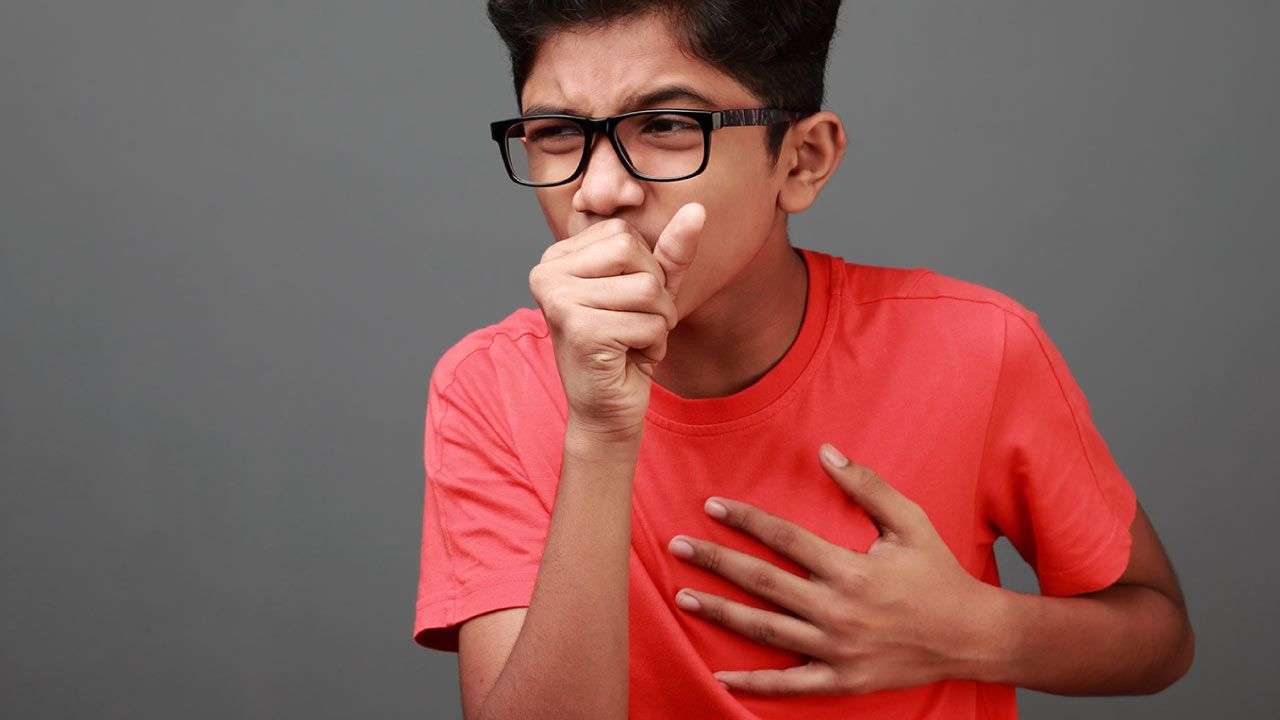
Pneumonia is an infection that inflames the air sacs in one or both lungs. In children, it can be caused by bacteria or viruses following upper respiratory infections.
- Common symptoms include cough, fever, difficulty breathing, and chest pain during coughing or breathing deeply.
- Your pediatrician may diagnose pneumonia based on symptoms along with imaging tests like chest X-rays for confirmation.
- Treatment often requires antibiotics if bacterial; supportive measures like rest, fluids, and over-the-counter medications may alleviate symptoms as well.
- It’s essential to monitor your child’s condition closely; follow-up appointments ensure full recovery without complications.
Pneumonia can often be prevented through vaccinations against causative organisms like Streptococcus pneumoniae.
HAND-FOOT-AND-MOUTH DISEASE
This viral infection primarily affects young children and is characterized by sores in the mouth and a rash on the hands and feet. It usually spreads through close contact.
- The main symptoms include fever, painful sores in the mouth, and a rash that may appear on palms and soles of feet.
- Diagnosis is generally made by observing these typical symptoms.
- Treatment involves supportive care such as ensuring adequate hydration and using pain relievers to manage discomfort.
- The condition is usually self-limiting; however, maintaining good hygiene can help prevent spread among peers.
Most cases resolve within a week without serious complications, allowing children to return to their normal activities soon after recovery.
ASTHMA
Asthma is a chronic condition that affects the airways in children. It causes inflammation and narrowing, making it difficult for them to breathe, especially during physical activity or at night.
- Symptoms of asthma can include wheezing, coughing, shortness of breath, and chest tightness.
- The diagnosis typically involves a physical exam and lung function tests to measure airflow.
- Treatment options include inhalers that deliver medication directly to the lungs, bronchodilators for immediate relief, and long-term anti-inflammatory medications.
- Management includes avoiding triggers such as allergens or pollution, regular check-ups with a healthcare provider, and keeping an asthma action plan in place.
With proper management and care, children with asthma can lead active and fulfilling lives without significant limitations.