
Dr Behram
About Me
Dr Behram
Internal Medicine
Biography
My Clinic
OPD Hours
| Tuesday | Morning | 10:00 AM | - | 02:00 PM |
| Evening | 06:00 PM | - | 09:00 PM | |
| Wednesday | Morning | 10:00 AM | - | 02:00 PM |
| Evening | 06:00 PM | - | 09:00 PM | |
| Thursday | Morning | 10:00 AM | - | 02:00 PM |
| Evening | 06:00 PM | - | 09:00 PM | |
| Friday | Morning | 10:00 AM | - | 02:00 PM |
| Evening | 06:00 PM | - | 09:00 PM | |
| Saturday | Morning | 10:00 AM | - | 02:00 PM |
| Evening | 06:00 PM | - | 09:00 PM | |
| Sunday | Morning | 10:00 AM | - | 02:00 PM |
| Evening | 06:00 PM | - | 09:00 PM | |
| Thursday | Morning | 10:00 AM | - | 02:00 PM |
| Evening | 06:00 PM | - | 09:00 PM |
Treatments
Specialised care and treatments offered
ACUTE PANCREATITIS
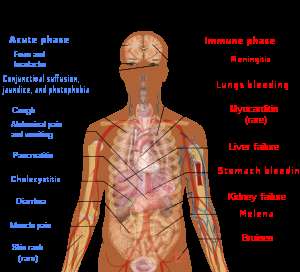
Acute pancreatitis refers to sudden inflammation of pancreas resulting from various causes including gallstones or alcohol use. Prompt recognition plays critical role given potential complications involved when managing such episodes effectively!
- Main symptoms generally feature intense abdominal pain radiating towards back along with nausea/vomiting occurring shortly after meals at times too!
CONGESTIVE HEART FAILURE
Congestive Heart Failure (CHF) occurs when the heart cannot pump sufficiently enough to maintain blood flow. Understanding this condition enables timely intervention that significantly aids quality of life for affected individuals.
- Main symptoms comprise breathlessness during activity or rest; fatigue; swollen ankles; and persistent cough or wheezing due to fluid buildup in the lungs.
- The diagnosis often involves physical exams complemented by echocardiograms or stress tests that assess heart function improvement capabilities under exercise conditions.
- Treatment strategies entailing lifestyle modifications—dietary changes—and medications such as diuretics aim at managing symptoms while improving heart efficiency.
- You might experience recommendations around regular health check-ups focused on monitoring your heart status over time because CHF progresses gradually if untreated.
- Coping mechanisms—including education about recognizing exacerbation signs—play pivotal roles throughout everyday life after initial treatment phases conclude successfully.
Keen awareness ensures you take necessary precautions leading up toward an optimal quality-of-life experience despite living with CHF over time!
DIABETIC KETOACIDOSIS (DKA)
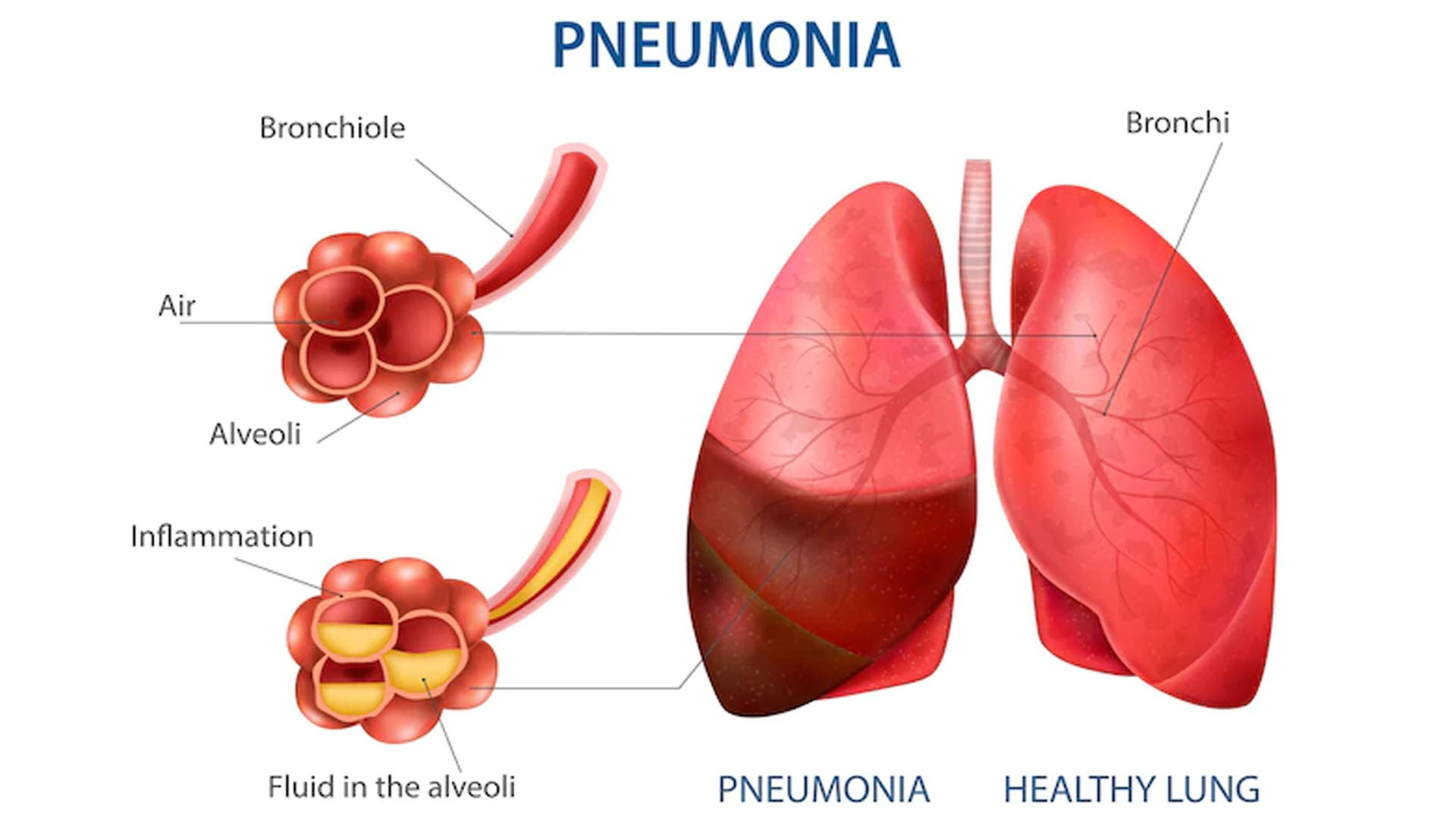
Diabetic Ketoacidosis is a serious complication of diabetes that results from high levels of ketones in the body due to insufficient insulin. This condition requires urgent care as it can escalate quickly without appropriate intervention.
- Common signs include excessive thirst, frequent urination, nausea, abdominal pain, weakness, and confusion or drowsiness.
- The diagnosis is made through blood tests showing high glucose levels, ketones presence in urine/blood, and metabolic acidosis indicators.
- Treatment primarily focuses on insulin administration alongside fluid replacement therapy to rehydrate the patient and restore electrolyte balance.
- Monitoring vital signs closely is crucial since DKA can lead to severe complications if not managed properly during recovery phases within the hospital setting.
- You should expect education on managing diabetes post-DKA episode to prevent future occurrences as part of your comprehensive care plan.
An understanding of DKA's symptoms ensures quick treatment initiation which is essential for improving prognosis among diabetic patients experiencing this emergency situation.
SEPSIS
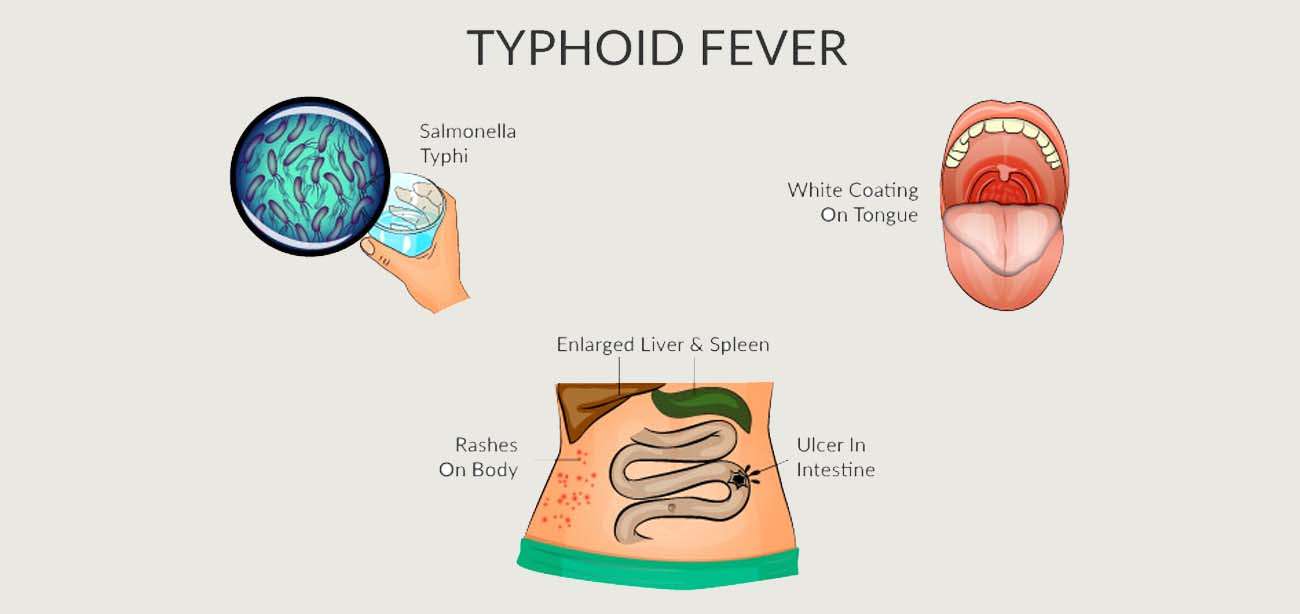
Sepsis is a potentially life-threatening condition triggered by the body's response to an infection. It requires immediate attention since it can progress rapidly into septic shock if not treated promptly.
- Symptoms may include fever, chills, rapid heart rate, confusion, and extreme pain or discomfort.
- Diagnosis typically involves a thorough clinical evaluation alongside blood tests to identify infections or organ dysfunction.
- Treatment commonly includes intravenous antibiotics and fluids; additional interventions may be required based on organ function status.
- The management process includes close monitoring in a hospital setting as sepsis can lead to various complications if not addressed effectively.
- Your healthcare team will focus on stabilizing vital signs while addressing any underlying infections throughout your treatment journey.
A timely response to sepsis significantly improves outcomes; thus, recognizing its early signs is imperative for patients and caregivers alike.
PULMONARY EMBOLISM
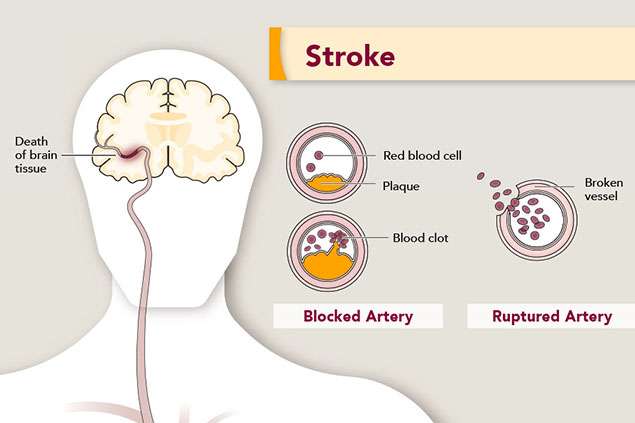
A pulmonary embolism occurs when a blood clot blocks a pulmonary artery in the lungs. This condition can be life-threatening and requires prompt diagnosis and management to restore normal blood flow and prevent complications.
- Common symptoms include sudden shortness of breath, chest pain that worsens with deep breaths, and coughing up blood.
- Diagnosis often involves imaging tests like CT scans or ultrasounds to identify clots in the veins or lungs.
- Treatment options include anticoagulant medications to dissolve the clot and sometimes surgical procedures for larger clots.
- The management plan will also involve strategies to prevent future clots through lifestyle changes or ongoing medication.
- Patients are advised to monitor for any new symptoms during recovery as they could indicate further complications.
Prompt action can make a significant difference in recovery from this serious condition, emphasizing the importance of awareness and understanding of its signs.
ACUTE RESPIRATORY DISTRESS SYNDROME (ARDS)
Acute Respiratory Distress Syndrome is a severe lung condition characterized by rapid onset of widespread inflammation in the lungs. Patients with ARDS often require immediate medical attention to manage their breathing and support their overall health.
- Symptoms may include severe shortness of breath, rapid breathing, and low oxygen levels.
- The condition is diagnosed through physical exams, medical history, chest X-rays, and blood tests to assess oxygen levels.
- Treatment typically involves supplemental oxygen or mechanical ventilation to support breathing, along with addressing the underlying cause.
- Management may also include fluid management and medications to reduce lung inflammation.
- Patients should expect close monitoring in a critical care setting as recovery can vary widely based on severity.
Understanding ARDS is crucial for early recognition and treatment, which can significantly improve outcomes.