
Dr Bet
About Me
Dr Bet
Cardiologist
Biography
My Clinic
OPD Hours
| Tuesday | Morning | 10:00 AM | - | 02:00 PM |
| Evening | 06:00 PM | - | 09:00 PM | |
| Wednesday | Morning | 10:00 AM | - | 02:00 PM |
| Evening | 06:00 PM | - | 09:00 PM | |
| Thursday | Morning | 10:00 AM | - | 02:00 PM |
| Evening | 06:00 PM | - | 09:00 PM | |
| Friday | Morning | 10:00 AM | - | 02:00 PM |
| Evening | 06:00 PM | - | 09:00 PM | |
| Saturday | Morning | 10:00 AM | - | 02:00 PM |
| Evening | 06:00 PM | - | 09:00 PM | |
| Sunday | Morning | 10:00 AM | - | 02:00 PM |
| Evening | 06:00 PM | - | 09:00 PM | |
| Thursday | Morning | 10:00 AM | - | 02:00 PM |
| Evening | 06:00 PM | - | 09:00 PM |
Treatments
Specialised care and treatments offered
HYPERTENSION MANAGEMENT

Managing hypertension involves comprehensive strategies aimed at controlling high blood pressure levels effectively. This condition raises risks for various cardiovascular events if left untreated over time.
- Symptoms are often absent but may occasionally include headaches or nosebleeds when blood pressure surges dangerously high.
- Physicians diagnose hypertension through consistent monitoring of blood pressure readings across multiple visits.
- Treatment typically combines lifestyle adjustments—such as dietary changes—medication adherence targeting different pathways involved in blood pressure regulation.
- Regular follow-up appointments ensure optimal blood pressure control while evaluating potential side effects from medications used over time.
With proper management techniques tailored individually according to patient needs , individuals can look forward towards enhanced overall well-being !
STRESS TESTING
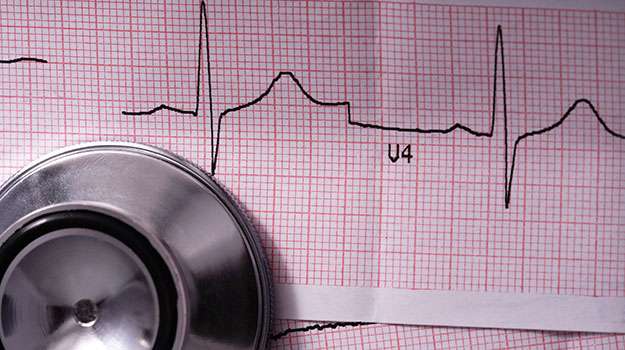
A stress test evaluates how well your heart functions under physical exertion. It can identify potential cardiac problems that might not be evident during resting examinations.
- Patients may experience symptoms, including chest discomfort or unusual tiredness during physical activity when there are underlying issues at play.
- The test typically involves walking on a treadmill while monitoring heart rate, blood pressure, and ECG results closely throughout the procedure.
- Diagnosis helps determine if reduced blood flow occurs during exercise due to blockages in coronary arteries.
- Results guide management options such as lifestyle changes or further treatments.
Regular stress testing can aid in maintaining an active lifestyle by identifying risks before they escalate into more significant issues.
ECHOCARDIOGRAM
An echocardiogram is a vital imaging test that uses sound waves to create detailed pictures of the heart's structure and function. It plays a crucial role in diagnosing various cardiovascular conditions.
- Presents symptoms like chest pain or unexplained fatigue can lead to further evaluation through this test.
- The process includes non-invasive ultrasound technology that visualizes the heart chambers, valves, and surrounding structures in real-time.
- Echocardiograms help detect issues such as valve disorders, cardiomyopathy, or congenital defects without any need for hospitalization.
This diagnostic tool is essential for guiding treatment decisions while ensuring patient comfort throughout the process as it involves no radiation exposure or discomfort.
ABLATION THERAPY
Ablation therapy is an advanced treatment option designed to correct abnormal heart rhythms (arrhythmias). It targets specific areas of heart tissue that cause irregular electrical signals.
- Typical symptoms include palpitations, shortness of breath, and fatigue during physical activities.
- This condition is diagnosed using an electrophysiology study (EPS) which maps electrical activity in the heart.
- The procedure involves introducing catheters into the heart through blood vessels; targeted tissue is then destroyed using radiofrequency energy or cryotherapy.
- Ablation is often minimally invasive, requiring only a short hospital stay and promotes quick recovery times.
This innovative approach allows many patients to achieve lasting relief from their symptoms without needing long-term medication management.
PACEMAKER IMPLANTATION
A pacemaker implantation is a procedure designed to manage arrhythmias by regulating the heart's electrical signals. This device is crucial for those whose heart beats too slowly or irregularly.
- Common symptoms include dizziness, fainting spells, and fatigue due to inadequate blood circulation.
- A thorough assessment through ECGs and Holter monitoring helps diagnose the need for a pacemaker.
- The implantation involves placing a small device under the skin with leads inserted into the heart's chambers.
- This intervention is typically done on an outpatient basis, ensuring minimal downtime for patients.
- Regular follow-ups are essential to monitor device function and battery life.
This treatment provides a reliable solution for improving heart rhythm and enhancing daily activities.
CORONARY ANGIOPLASTY
Coronary angioplasty is a minimally invasive procedure aimed at treating narrowed or blocked coronary arteries. This condition, often resulting from atherosclerosis, can lead to chest pain and increase the risk of heart attacks.
- Symptoms may include shortness of breath, fatigue, and angina (chest pain).
- Diagnosis involves tests such as angiograms or stress tests to assess blood flow.
- Treatment includes balloon catheterization to open the blocked arteries, often followed by stent placement for support.
- The procedure typically requires a short recovery time and can be performed in an outpatient setting.
- Post-procedure, patients may be prescribed antiplatelet medications to prevent clotting.
This effective intervention can significantly improve heart function and overall quality of life.