
Dr Bhageshwari Ma
About Me
Dr Bhageshwari Ma
MD
Diabetologist
Biography
My Clinic
OPD Hours
| Monday | Morning | 10:00 AM | - | 02:00 PM |
| Evening | 06:00 PM | - | 09:00 PM | |
| Tuesday | Morning | 10:00 AM | - | 02:00 PM |
| Evening | 06:00 PM | - | 09:00 PM | |
| Wednesday | Morning | 10:00 AM | - | 02:00 PM |
| Evening | 06:00 PM | - | 09:00 PM | |
| Thursday | Morning | 10:00 AM | - | 02:00 PM |
| Evening | 06:00 PM | - | 09:00 PM | |
| Friday | Morning | 10:00 AM | - | 02:00 PM |
| Evening | 06:00 PM | - | 09:00 PM | |
| Saturday | Morning | 10:00 AM | - | 02:00 PM |
| Evening | 06:00 PM | - | 09:00 PM | |
| Sunday | Morning | 10:00 AM | - | 02:00 PM |
| Evening | 06:00 PM | - | 09:00 PM |
Treatments
Specialised care and treatments offered
DIABETIC KIDNEY DISEASE

This complication arises from prolonged uncontrolled diabetes which damages kidney tissues affecting their filtration ability over time leading potentially towards kidney failure if unmonitored closely.Its early detection & management plays a vital role safeguarding against severe consequences down the line!
- Common signs include swelling (edema), foamy urine indicative protein presence along with persistent fatigue indicating declining renal function being compromised due damage occurring within proximal tubular cells involved crucial filtration mechanisms undertaken kidneys.)
- Diagnosis relies heavily upon 'urinalysis' revealing abnormal findings alongside blood serum creatinine checks confirming extent nephropathy has progressed further beyond initial thresholds set during clinical evaluations conducted periodically by healthcare providers specializing relevant areas nephrology/dialysis techniques required managing affected cases accordingly.
- Therapeutic strategies emphasize controlling high-pressure readings/potassium-lowering agents being prescribed concurrently enforcing strict dietary restrictions limiting sodium/protein intake adhering specific guidelines provided sources expert advice aiming enhance renal protection ultimately preserve functionality intact!
Maintaining vigilance throughout disease progression remains paramount preserving optimal kidney performance whilst mitigating overall health challenges stemming from overall metabolic dysregulation experienced frequently among those affected living life amidst chronic illnesses prevalent today!
DIABETIC NEUROPATHY
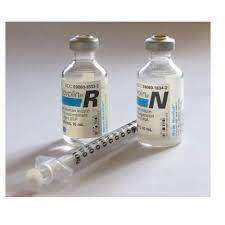
This type of nerve damage often occurs in people with diabetes due to prolonged high blood sugar levels. Diabetic neuropathy can impact daily functioning significantly if left untreated, making early intervention imperative for better outcomes.
- Main symptoms might include numbness or tingling in extremities, pain in hands or feet, or issues with balance due to impaired neuropathic function resulting from metabolic imbalances associated with diabetes).
- A thorough assessment involving physical examinations along with patient history helps determine severity through specific diagnostic tests designed for neuropathic conditions.
- Treatment options vary widely encompassing medications aimed at relieving pain alongside lifestyle alterations that promote nerve health through nutrition/exercise regimens supervised by healthcare professionals.
- Regular follow-up appointments remain essential throughout treatment since early adjustments can greatly ameliorate quality-of-life changes arising from this complication.
With dedicated care & support one can manage these symptoms successfully enhancing their everyday living experiences despite having underlying conditions like diabetic neuropathy.
TYPE 2 DIABETES MANAGEMENT
This is the most common form of diabetes where the body either resists insulin or doesn't use it effectively. Managing Type 2 Diabetes involves a comprehensive strategy focused on lifestyle adjustments alongside medical intervention when necessary.
- Key symptoms include increased thirst, frequent urination, slow healing sores, and recurrent infections among others.
- A healthcare professional uses various blood tests, including A1C and fasting plasma glucose tests for accurate diagnosis regarding the severity of the condition.
- Treatment options typically include oral medications aimed at improving insulin sensitivity as well as lifestyle modifications such as diet changes aimed at weight loss and improved physical activity levels.
- Sustaining regular monitoring helps in adjusting treatment plans based on individual needs effectively over time.
An integrated approach can lead to significant improvements in health status while minimizing complications related to Type 2 Diabetes if followed diligently over time.
PREDIABETES
Prediabetes is characterized by higher-than-normal blood sugar levels but not high enough for a diabetes diagnosis. It is an important indicator of future diabetes risk if not addressed promptly.
- Symptoms are generally minimal; however, individuals may experience fatigue or increased hunger as indicators of fluctuating glucose levels.
- The condition is diagnosed through blood tests, such as fasting glucose or A1C tests that measure average blood sugar over time.
- Lifestyle modifications including diets rich in fiber, regular exercise, and weight management are pivotal in reversing prediabetes.
- Your healthcare provider may also recommend routine follow-up tests to monitor progress and adjust treatment plans accordingly.
- If proactive measures are taken, it’s possible to delay or even prevent the onset of Type 2 Diabetes altogether.
Pursuing a healthier lifestyle can significantly improve your overall well-being and reduce diabetes risk factors effectively.
GESTATIONAL DIABETES
This form of diabetes occurs during pregnancy when the body cannot produce enough insulin. It affects how your body processes glucose, leading to higher blood sugar levels that require specific management.
- Common symptoms may include increased thirst and frequent urination but often goes undiagnosed until routine screenings are performed.
- Diagnosis typically occurs through glucose tolerance tests, usually around the second trimester of pregnancy.
- Management includes dietary changes, physical activity, and sometimes medication or insulin therapy to ensure both mother and baby remain healthy.
- Nutritional counseling is often recommended to help maintain appropriate blood sugar levels during pregnancy.
- A supportive monitoring plan is essential for expecting mothers diagnosed with this condition.
Effective management can reduce risks for both mother and child, ensuring a healthier pregnancy outcome.
TYPE 1 DIABETES
Type 1 Diabetes is a chronic condition where the pancreas produces little to no insulin. This can lead to elevated blood glucose levels and various complications if not managed properly.
- Symptoms include excessive thirst, frequent urination, extreme fatigue, and blurred vision.
- The diagnosis often involves blood tests to measure glucose levels and assess insulin production.
- Treatment primarily focuses on insulin therapy, combined with a healthy diet and regular exercise to maintain stable blood sugar levels.
- Monitoring glucose regularly is crucial, alongside periodic check-ups to prevent complications.
- Patients can expect ongoing education about managing their condition effectively.
With proper care, individuals with Type 1 Diabetes can lead fulfilling lives while managing their health proactively.