
Dr Bhagwan Singh
About Me
Dr Bhagwan Singh
Cardiologist
Biography
My Clinic
OPD Hours
| Monday | Morning | 10:00 AM | - | 02:00 PM |
| Evening | 06:00 PM | - | 09:00 PM | |
| Tuesday | Morning | 10:00 AM | - | 02:00 PM |
| Evening | 06:00 PM | - | 09:00 PM | |
| Wednesday | Morning | 10:00 AM | - | 02:00 PM |
| Evening | 06:00 PM | - | 09:00 PM | |
| Thursday | Morning | 10:00 AM | - | 02:00 PM |
| Evening | 06:00 PM | - | 09:00 PM | |
| Friday | Morning | 10:00 AM | - | 02:00 PM |
| Evening | 06:00 PM | - | 09:00 PM | |
| Saturday | Morning | 10:00 AM | - | 02:00 PM |
| Evening | 06:00 PM | - | 09:00 PM | |
| Sunday | Morning | 10:00 AM | - | 02:00 PM |
| Evening | 06:00 PM | - | 09:00 PM |
Treatments
Specialised care and treatments offered
CORONARY ARTERY DISEASE PREVENTION

Coronary artery disease (CAD) arises from the buildup of plaque in coronary arteries leading potentially towards severe complications like heart attacks if left unaddressed. Preventive strategies play a crucial role in managing this disorder effectively.
- Main Causes:This disease commonly stems from high cholesterol levels along with related factors including hypertension & smoking habits—understanding these links aids prevention efforts.
- Predictive Symptoms:Sweating & chest pain indicate hardening arteries could pose threats too—all signs warrant immediate evaluation!
- Diligent Testing:Echocardiograms & stress tests enable doctors diagnosing impaired blood flow regulating treatments accordingly.
- The Ideal Treatments:Lifestyle adjustments (healthy eating/alcohol moderation/exercise patterns) paired with prescribed medications optimize outcomes promoting healthy hearts overall! You&'ll discover commitment yields substantial results protecting yourself against CAD noticeably improving quality life!
LIFESTYLE COUNSELING
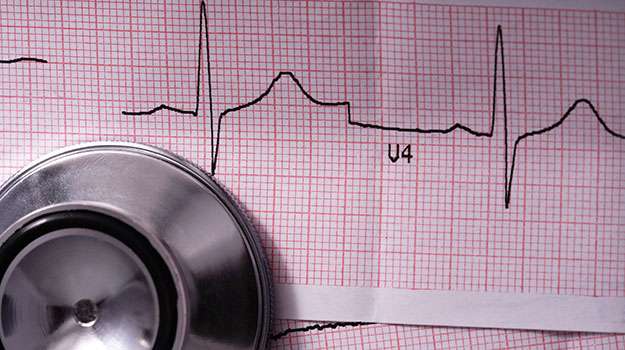
Lifestyle counseling focuses on guiding patients toward healthier habits that promote optimal cardiovascular health. Adopting positive lifestyle changes plays an important role in lowering risks associated with heart disease.
- The Importance of Diet: A diet rich in fruits, vegetables, whole grains while minimizing processed foods contributes significantly to improved heart health.
- The Role of Exercise: Regular physical activity strengthens the cardiovascular system; even moderate activities like walking have positive effects.
- Avoiding Tobacco:Your tobacco consumption greatly increases your risk for various cardiovascular diseases; cessation support programs can aid this effort.
- Mental Health Matters:Your emotional wellbeing affects physical health too—stress-reducing techniques such as mindfulness should be integrated into wellness plans!
- This Reality Check:Acknowledge personal history/risk factors—tailored strategies yield best results!
ARRHYTHMIA EVALUATION
An arrhythmia refers to an irregular heartbeat that can disrupt normal cardiac function. Some arrhythmias may feel harmless while others can lead to serious complications; thus understanding your heart's rhythm is vital for overall cardiovascular health.
- Types: Arrhythmias include tachycardia (fast heartbeat), bradycardia (slow heartbeat), or irregular beats such as atrial fibrillation which increases stroke risk significantly.
- Symptoms: Patients might notice palpitations, dizziness, or fainting—often indicating the need for further evaluation by a specialist.
Your proactive approach towards monitoring these conditions ensures better outcomes in managing potential risks associated with arrhythmias!
HEART FAILURE MANAGEMENT
Heart failure occurs when the heart cannot pump sufficient blood to meet the body’s needs. It is a serious condition that requires comprehensive management strategies focused on improving quality of life. Understanding its implications is essential for those affected.
- Symptoms: Common signs include fatigue, swelling in legs or abdomen, and shortness of breath during activities or when lying down.
- Diagnosis: Diagnosis typically involves physical examinations, echocardiograms, or other imaging tests to assess heart function accurately.
- Treatment Options: Management strategies include lifestyle modifications—such as sodium reduction—and medications that help regulate heart function and manage fluid retention effectively.
A coordinated care plan involving your healthcare team can greatly enhance daily living conditions for those with heart failure while preventing exacerbations. Support systems are crucial for emotional well-being as well.
CHOLESTEROL MANAGEMENT
High cholesterol levels in the blood increase the risk of cardiovascular diseases significantly. This condition often arises from dietary choices and lifestyle factors but can also be influenced by genetics. Addressing high cholesterol is crucial for heart health.
- Causes: Factors contributing to elevated cholesterol include unhealthy eating habits, obesity, lack of exercise, and smoking.
- Symptoms: High cholesterol typically presents no symptoms; however, it can lead to severe problems like heart attack or stroke in the long term.
- Diagnosis: A blood test called a lipid panel measures cholesterol levels—total cholesterol should ideally be below 200 mg/dL.
- Treatment Options: Dietary changes focusing on reducing saturated fats and increasing Omega-3 fatty acids are effective. Statins and other medications may also be recommended based on individual needs.
Regular check-ups play an essential role in managing cholesterol levels. Proactive steps can lead to healthier outcomes for your cardiovascular system.
HYPERTENSION MANAGEMENT
Hypertension, or high blood pressure, is a common condition that can lead to serious health complications if left untreated. It often develops over many years and may not present noticeable symptoms until significant damage has occurred. Understanding this condition is vital for effective management.
- Symptoms: Many individuals with hypertension may experience headaches, shortness of breath, or nosebleeds, yet most remain asymptomatic.
- Diagnosis: Blood pressure is measured using a sphygmomanometer; readings above 130/80 mm Hg are considered hypertensive.
- Treatment Options: Lifestyle changes such as dietary modifications, regular exercise, and stress reduction are essential. Additionally, medications like diuretics may be prescribed.
- Management: Regular monitoring of blood pressure helps assess the effectiveness of treatment; it’s important to adhere to medical advice.
- What to Expect: With proper management, many individuals can maintain healthy blood pressure levels and reduce the risk of heart disease or stroke.
Effective control of hypertension requires ongoing commitment and lifestyle adjustments. Consult a healthcare professional for personalized guidance.