
DR Bhanwar Singh
About Me
DR Bhanwar Singh
MD
Cardiologist
10 Years Experience
Biography
My Clinic
OPD Hours
| Monday | Morning | 10:00 AM | - | 02:00 PM |
| Evening | 06:00 PM | - | 09:00 PM | |
| Tuesday | Morning | 10:00 AM | - | 02:00 PM |
| Evening | 06:00 PM | - | 09:00 PM | |
| Wednesday | Morning | 10:00 AM | - | 02:00 PM |
| Evening | 06:00 PM | - | 09:00 PM | |
| Thursday | Morning | 10:00 AM | - | 02:00 PM |
| Evening | 06:00 PM | - | 09:00 PM | |
| Friday | Morning | 10:00 AM | - | 02:00 PM |
| Evening | 06:00 PM | - | 09:00 PM | |
| Saturday | Morning | 10:00 AM | - | 02:00 PM |
| Evening | 06:00 PM | - | 09:00 PM | |
| Sunday | Morning | 10:00 AM | - | 02:00 PM |
| Evening | 06:00 PM | - | 09:00 PM |
Treatments
Specialised care and treatments offered
LIFESTYLE MODIFICATION FOR PERIPHERAL ARTERY DISEASE (PAD)

This condition arises from reduced blood flow primarily impacting legs due to narrowed arteries. Adjusting daily habits aids symptom relief and slows progression effectively without invasive methods initially.
- Key Causes & Presentation : PAD often results from smoking , diabetes mellitus , high cholesterol ; symptoms include leg pain while walking known as claudication.
- Diagnostic Approach : Ankle-brachial index test helps detect decreased circulation ; ultrasound imaging assesses arterial blockages.
- Non-Surgical Management : Cessation of tobacco use ; adoption of walking exercises designed specifically under guidance improves circulation ; controlling blood sugar levels rigorously.
- Additional Treatment Considerations : Medications like antiplatelets might be prescribed ; doctors monitor wound healing carefully due to higher infection risks.
Through committed lifestyle improvements combined with medical oversight , many patients maintain mobility while preventing serious complications .
ATRIAL FIBRILLATION (AFIB) MANAGEMENT
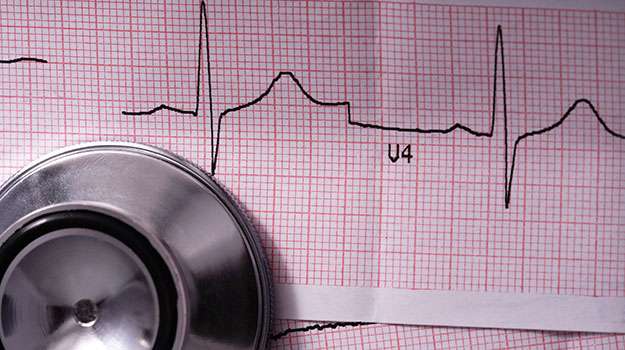
Atrial fibrillation involves irregular beating of the atria resulting in palpitations or increased stroke risk. Effective control improves life expectancy and symptom burden drastically.
- Identifying Symptoms & Risk Factors: Common signs include irregular pulse sensation or fatigue; triggers encompass high blood pressure , excessive alcohol use , sleep apnea , or thyroid issues .
- Diagnostic Tools: ECG monitoring captures rhythm irregularities ; Holter monitors record longer episodes.
- Treatment Options: Rate control medications , anticoagulants for stroke prevention , possible cardioversion procedures depending on severity.
- Lifestyle & Monitoring: Weight loss if overweight , avoiding stimulants such as caffeine ; regular medical reviews ensure adequate anticoagulation levels.
Prompt identification combined with comprehensive treatment greatly reduces AF-related risks .
HEART FAILURE LIFESTYLE MANAGEMENT
This chronic condition occurs when the heart cannot pump efficiently enough to meet the body's needs. Managing daily habits is essential for improving symptoms and quality of life in heart failure patients.
- Causal Factors & Symptoms:Sufferers may experience fatigue, breathlessness during exertion or at rest; causes include previous heart attacks or hypertension damage.
- Disease Monitoring & Diagnosis:Echocardiography helps evaluate heart function while clinicians track symptom progression regularly through clinical exams.
- Lifestyle Modifications Include:Sodium restriction in diet to reduce fluid retention; controlled fluid intake; gradual increase in tailored physical activity as tolerated; cessation of smoking/alcohol consumption;
- You should adhere closely to medication regimens that improve cardiac output prescribed by cardiologists along with periodic follow-ups for adjustments
CORONARY ARTERY DISEASE (CAD) PREVENTION
The narrowing or blockage of coronary arteries can lead to angina or heart attacks. Focusing on prevention strategies greatly reduces cardiac risks linked to CAD.
- Main Causes: Plaque buildup due to unhealthy diet, smoking, diabetes, hypertension contributes largely to CAD development.
- Eliciting Symptoms & Diagnosis: Symptoms include chest pain or shortness of breath; diagnosis employs ECGs, stress testing, and imaging studies like angiography when required.
- Lifestyle Intervention: Emphasis is on quitting tobacco use, maintaining healthy weight through balanced nutrition and structured exercise regimens.
- Treatment Modalities:No surgical option initially; medications include antiplatelets/statins to stabilize plaque as well as control comorbid conditions such as diabetes/hypertension where applicable.
Cautious adherence to preventive measures markedly improves quality of life and long-term cardiac health outcomes amid this condition’s commonality worldwide.
CHOLESTEROL CONTROL
An elevated cholesterol level can increase the risk of developing heart disease. Understanding how to manage cholesterol plays a vital role in preventing cardiovascular complications.
- Understanding Causes: High cholesterol often results from poor diet high in saturated fats, sedentary lifestyle, obesity, or genetic factors.
- Diagnostic Measures: Blood tests measuring LDL, HDL, and triglyceride levels provide a detailed lipid profile for assessment.
- Lifestyle Management: Incorporating a balanced diet rich in fruits, vegetables, whole grains; regular exercise; smoking cessation; and limiting alcohol intake are primary approaches.
- Pharmacological Treatment: Statins or other lipid-lowering agents may be prescribed depending on risk factors and individual patient profiles.
- Outcome Expectations: Successful control lowers the risk of plaque build-up in arteries which prevents heart attacks and strokes.
A proactive approach combining lifestyle changes with medical support offers the best outcomes for cholesterol management.
HYPERTENSION MANAGEMENT
High blood pressure is a common cardiovascular condition that can silently increase your risk for heart disease and stroke. Managing it effectively helps maintain overall heart health.
- Causes and Symptoms: Often symptomless, hypertension may be influenced by genetics, stress, diet high in salt, obesity, or lack of physical activity.
- Diagnosis: It is diagnosed through regular blood pressure measurements taken by healthcare professionals over several visits.
- Treatment and Lifestyle: Includes dietary changes like reducing sodium intake, increasing physical activity, stress management, weight loss, and when necessary, antihypertensive medications.
- Monitoring: Regular blood pressure tracking at home or in clinics is crucial to evaluate treatment efficacy.
- Expectations: With consistent management and lifestyle adjustment, patients can significantly reduce complications associated with hypertension.
Early intervention and ongoing care are key to controlling high blood pressure and protecting your heart’s future function.