
Dr Bharat Bhusha
About Me
Dr Bharat Bhusha
MD
Pulmonologist
10 Years Experience
Biography
My Clinic
OPD Hours
| Monday | Morning | 10:00 AM | - | 02:00 PM |
| Evening | 06:00 PM | - | 09:00 PM | |
| Tuesday | Morning | 10:00 AM | - | 02:00 PM |
| Evening | 06:00 PM | - | 09:00 PM | |
| Wednesday | Morning | 10:00 AM | - | 02:00 PM |
| Evening | 06:00 PM | - | 09:00 PM | |
| Thursday | Morning | 10:00 AM | - | 02:00 PM |
| Evening | 06:00 PM | - | 09:00 PM | |
| Friday | Morning | 10:00 AM | - | 02:00 PM |
| Evening | 06:00 PM | - | 09:00 PM | |
| Saturday | Morning | 10:00 AM | - | 02:00 PM |
| Evening | 06:00 PM | - | 09:00 PM | |
| Sunday | Morning | 10:00 AM | - | 02:00 PM |
| Evening | 06:00 PM | - | 09:00 PM |
Treatments
Specialised care and treatments offered
BRONCHITIS MANAGEMENT
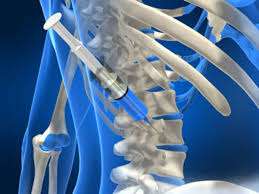
Bronchitis is an inflammation of the bronchial tubes that leads to increased mucus production impacting normal airflow into the lungs. It can be acute or chronic depending on its duration and causes.
- Sufferers typically experience persistent coughing with mucus production alongside wheezing or chest discomfort as key symptoms indicative of bronchial irritation.
- The diagnosis often involves evaluations including listening for abnormal lung sounds using a stethoscope along with imaging tests such as X-rays when needed.
- Treatment options may vary as follows:#*
- *#[}#(#{3}[(#{*(#{ 3}{}}}
PULMONARY HYPERTENSION

Pulmonary Hypertension is characterized by high blood pressure within the lungs' arteries. This condition can lead to serious heart complications if not managed adequately over time.
- The symptoms commonly observed include unexplained shortness of breath, fatigue, dizziness, or swelling in the ankles—indicative that medical attention is warranted immediately when they arise.
- This condition can be diagnosed through echocardiograms or right heart catheterization procedures that provide precise measurements of pulmonary artery pressures.
- Treatment focuses primarily on medications designed specifically for lowering pulmonary arterial pressure while enhancing exercise capacity and improving overall quality of life.
Evolving treatment strategies ensure that patients receive integrated care addressing both their physical well-being and emotional support needs throughout their journey against this challenging illness.
SLEEP APNEA TREATMENT

Sleep apnea is a disorder where breathing repeatedly stops and starts during sleep. This interruption can disrupt sleep quality significantly, leading to excessive daytime fatigue if untreated.
- Mainly characterized by loud snoring or gasping for air during sleep, it often goes unnoticed by patients themselves.
- A diagnosis usually involves overnight sleep studies that measure breathing patterns while sleeping for greater accuracy.
- Treatment typically includes lifestyle modifications like weight loss, use of continuous positive airway pressure (CPAP) machines, or sometimes surgery if necessary.
Proper management not only enhances sleep quality but also reduces the risk of related health complications over time associated with untreated sleep apnea.
INTERSTITIAL LUNG DISEASE (ILD)

Interstitial Lung Disease refers to a group of disorders causing inflammation and scarring of the lung tissue. This affects the ability to breathe normally due to reduced oxygen transfer in the lungs.
- The causes are varied but may include prolonged exposure to harmful substances or autoimmune diseases.
- Disease progression typically involves thorough evaluation through imaging tests like CT scans alongside pulmonary function tests for accurate diagnosis.
- Treatment options can vary widely but often include medications such as antifibrotics or immunosuppressants aimed at slowing disease progression.
- Palliative care may also be incorporated to manage symptoms effectively alongside any underlying issues.
An early diagnosis can significantly impact management strategies and overall patient prognosis in ILD cases.
ASTHMA MANAGEMENT

Asthma is a chronic inflammatory condition of the airways that can cause episodic breathing difficulties. Understanding asthma is crucial for effective management to minimize flare-ups and improve overall health.
- Common symptoms include coughing, chest tightness, shortness of breath, and wheezing.
- A physician typically diagnoses asthma through a combination of medical history, physical examinations, and lung function tests like spirometry.
- Treatment may involve inhalers containing bronchodilators or corticosteroids to control inflammation.
- Avoiding known triggers such as allergens or smoke is essential in managing asthma effectively.
- Follow-up visits enable adjustments in treatment strategies based on symptom control and lung function testing.
With proper care, individuals with asthma can lead active lives with minimal interference from symptoms.
CHRONIC OBSTRUCTIVE PULMONARY DISEASE (COPD)

Chronic Obstructive Pulmonary Disease, or COPD, is a progressive lung condition characterized by persistent respiratory symptoms. It primarily results from long-term exposure to irritants that damage the lungs and airways.
- Symptoms may include chronic cough, wheezing, and shortness of breath, especially during physical activity.
- This condition is often diagnosed through spirometry, which measures lung function and airflow.
- Treatment options aim to relieve symptoms and may involve bronchodilators, corticosteroids, and pulmonary rehabilitation programs.
- Managing COPD also includes lifestyle changes such as quitting smoking and avoiding pollutants.
- Patients can expect regular follow-ups to monitor their lung function and adjust treatment plans as needed.
The goal of managing COPD is to improve quality of life and maintain daily functioning as much as possible.