
Dr Bharti Patel
About Me
Dr Bharti Patel
Dermatologist
Biography
My Clinic
OPD Hours
| Tuesday | Morning | 10:00 AM | - | 02:00 PM |
| Evening | 06:00 PM | - | 09:00 PM | |
| Wednesday | Morning | 10:00 AM | - | 02:00 PM |
| Evening | 06:00 PM | - | 09:00 PM | |
| Thursday | Morning | 10:00 AM | - | 02:00 PM |
| Evening | 06:00 PM | - | 09:00 PM | |
| Friday | Morning | 10:00 AM | - | 02:00 PM |
| Evening | 06:00 PM | - | 09:00 PM | |
| Saturday | Morning | 10:00 AM | - | 02:00 PM |
| Evening | 06:00 PM | - | 09:00 PM | |
| Sunday | Morning | 10:00 AM | - | 02:00 PM |
| Evening | 06:00 PM | - | 09:00 PM | |
| Thursday | Morning | 10:00 AM | - | 02:00 PM |
| Evening | 06:00 PM | - | 09:00 PM |
Treatments
Specialised care and treatments offered
WART REMOVAL
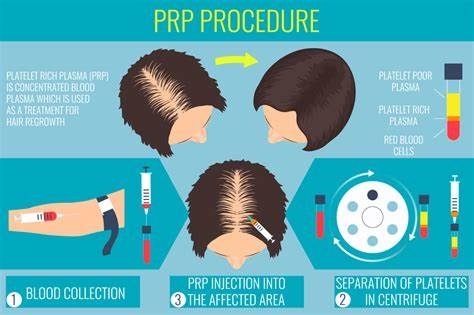
This benign growth manifests itself on the skin as it results from human papillomavirus (HPV) infection—a virus affecting both adults and children alike. Although not harmful physically warts often cause concern aesthetically prompting desire removal treatments available today!
.- Description of Warts: Commonly found on hands feet knees facial areas appearing firm fleshy protrusions.
-
Causative Agent:
Human Papillomavirus infects epithelial tissues leading ultimately warts developing over time.
- Diverse Removal Methods Available : Cryotherapy laser therapy electrosurgery topical solutions provide multiple avenues address issue at hand.
- Pain Levels Expected During Procedure : Most patients report minimal discomfort post-treatment typical experiences involve light soreness tender areas where removed occurred. The way forward entails choosing an option aligning personal preferences while ensuring effective eradication unwanted growths leading ultimately increased comfort levels !
HAIR LOSS TREATMENT
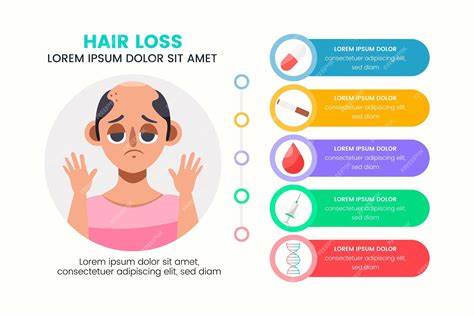
Alopecia refers generally to hair loss which can stem from various causes including genetics or stress-related conditions. Many people seek assistance when experiencing thinning hair or bald patches that lead to self-consciousness over their appearance
.- Types of Hair Loss: < br />< < span style =" color: #777;"> common forms include androgenetic alopecia (pattern baldness), telogen effluvium (stress-induced), etc.< br />
- Diagnosis Process: < br /> < span style=" color: #777;"> Health professionals perform scalp examinations alongside lab tests if needed in order determine underlying issues behind hair thinning.< br />
- Treatment Approaches: < br /> < span style =" color: #777;"> Depending upon type diagnosed treatments range topical minoxidil solutions oral finasteride medications low-level laser therapy sessions available among many options based individual assessments made. < br />
- Expectations During Treatment: < br /> < span style =" color: #777;"> Results often vary widely case-to-case timeframe wise before visible improvements occur so patience coupled with adherence essential!
Your journey toward regaining confidence through improved hair health maybe challenging yet rewarding especially once prospective solutions are explored thoroughly together!
SKIN CANCER SCREENING
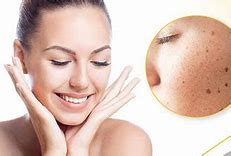
The importance of regular skin cancer screenings cannot be overstated; early detection is vital for successful treatment outcomes. This preventative measure helps identify abnormal growths before they develop into serious conditions.
- Screens for Signs: Patients should look out for unusual moles or changes in skin appearance that warrant further examination during a screening appointment.
- Mole Examination: Dermatologists utilize dermatoscopy to evaluate moles more effectively than by visual inspection alone.
< li > Testing Methods: Techniques such as biopsy may be used if there are suspicious lesions found during the screening.
< li >What Happens Next: If concerns arise from the screening process or results turn positive, follow-up appointments will be scheduled promptly.
< li >Prevention Strategies: Regular self-examinations between formal screenings also play an important role in prevention efforts.
< br />
Taking proactive steps regarding your skin health empowers you with knowledge about potential risks associated with sun exposure or other factors contributing to skin cancer development.
ECZEMA (ATOPIC DERMATITIS)
Eczema is an inflammatory skin disease that often appears in childhood but can persist into adulthood. It presents as dry, itchy patches that may become red and inflamed if scratched excessively.
- Symptoms: Key symptoms include intense itching, redness, and flaking skin located commonly on the inside of elbows or knees.
- Causes: A combination of genetic predisposition and environmental factors increases susceptibility to eczema.
- Diagnosis: Diagnosis typically involves reviewing medical history along with a physical examination by a qualified specialist.
- Treatment Options: Moisturizers are crucial; topical steroids are frequently prescribed for flare-ups alongside antihistamines for itching relief.
- Coping Mechanisms: Identifying triggers like irritants or allergens can help minimize flare-ups significantly.
A comprehensive management plan tailored to each individual's needs ensures better control over this condition over time.
PSORIASIS
This chronic autoimmune condition leads to rapid skin cell turnover producing thickened red patches covered with silvery scales. Psoriasis can significantly impact quality of life due to its visible nature.
- Symptoms: Characteristic symptoms involve dry, itchy patches primarily on elbows, knees, and scalp.
- Causes: Genetics and environmental factors play a role in triggering flare-ups.
- Diagnosis: Dermatologists usually make a diagnosis based on visual examination and patient history.
- Treatment Options: Treatments can include topical treatments such as corticosteroids or systemic therapies including biological agents.
- Coping Strategies: Patient education and support groups can aid in managing this lifelong condition effectively.
Psycho-social support is vital for those affected by psoriasis due to its sometimes debilitating emotional impacts.
ACNE VULGARIS
Acne is a common skin condition that affects individuals of all ages, primarily during adolescence. It occurs when hair follicles become clogged with oil and dead skin cells, resulting in various types of pimples.
- Symptoms: Common signs include blackheads, whiteheads, and cysts on the face, back, and shoulders.
- Causes: Hormonal changes, certain medications, and oily skin contribute to its development.
- Diagnosis: A healthcare professional can diagnose acne through a physical examination of the skin.
- Treatment Options: Management may include topical retinoids, antibiotics, or hormonal therapies.
- What to Expect: Results vary by individual; some may see improvement within weeks while others may need ongoing treatment.
If left untreated, acne can lead to scarring. Early intervention is key for effective management.