
Dr Bhaskar P Shah
About Me
Dr Bhaskar P Shah
Cardiologist
Biography
My Clinic
OPD Hours
| Tuesday | Morning | 10:00 AM | - | 02:00 PM |
| Evening | 06:00 PM | - | 09:00 PM | |
| Wednesday | Morning | 10:00 AM | - | 02:00 PM |
| Evening | 06:00 PM | - | 09:00 PM | |
| Thursday | Morning | 10:00 AM | - | 02:00 PM |
| Evening | 06:00 PM | - | 09:00 PM | |
| Friday | Morning | 10:00 AM | - | 02:00 PM |
| Evening | 06:00 PM | - | 09:00 PM | |
| Saturday | Morning | 10:00 AM | - | 02:00 PM |
| Evening | 06:00 PM | - | 09:00 PM | |
| Sunday | Morning | 10:00 AM | - | 02:00 PM |
| Evening | 06:00 PM | - | 09:00 PM | |
| Thursday | Morning | 10:00 AM | - | 02:00 PM |
| Evening | 06:00 PM | - | 09:00 PM |
Treatments
Specialised care and treatments offered
ELECTROPHYSIOLOGY STUDY (EPS)

An electrophysiology study (EPS) explores abnormal electrical signals within your heart. By mapping these signals through targeted catheters placed inside the chambers of the heart itself enables specialists identify specific areas responsible for arrhythmias—providing essential insights necessary for effective treatment planning thereafter!
- Symptoms prompting EPS referrals frequently involve episodes ranging from palpitations & fainting spells down through serious concerns concerning tachycardia (rapid heartbeat) thus highlighting its value amongst those facing such challenges
- Diagnostic criteria typically begin via detailed assessments through non-invasive monitors followed up quickly subsequent visits where EPS confirms extent lies beyond preliminary evaluations
- Depending upon results gathered during this special exam tailored remedies—including ablative therapies aimed at correcting rhythm disorders—may ensue aiming holistic solutions ahead hereafter!
- Usually performed under sedation lasting just several hours total recovery expectations remain benign alongside normal activity resuming effectively post-procedure returned fully restored readiness pursuing life again swiftly ensuing onwards thereafter!
Overall electrophysiological studies represent advanced methodologies employed when seeking deeper understanding core functionality ensuring optimal patient outcomes achieved whilst striving maintaining best practices all along journey within cardiology sphere today!
CARDIAC CATHETERIZATION
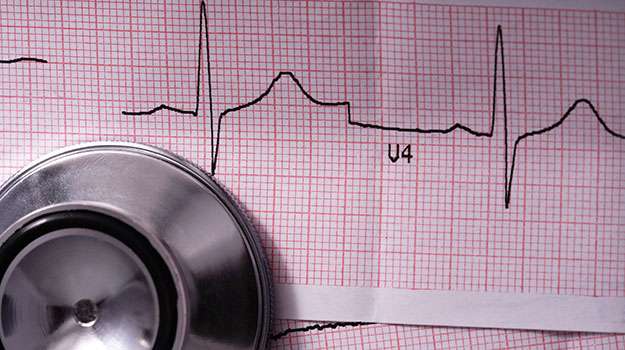
This procedure uses thin tubes called catheters inserted into blood vessels of the arm or leg to evaluate cardiovascular health directly. Cardiac catheterization allows specialists access to perform diagnostic tests such as angiography or even therapeutic interventions like balloon angioplasty right at the problem site if necessary.
- Select symptoms, including severe angina or unexpected shortness of breath can lead clinicians toward recommending catheterization after preliminary diagnostic tests have indicated possible blockages in coronary arteries.
- Diagnosis is often confirmed through initial imaging studies followed by catheterization to view arteries directly
- Management options can range from lifestyle modifications and medication regimens depending on severity observed through imaging combined with findings obtained during catheter evaluation
- Many patients successfully undergo outpatient catheterization procedures without significant recovery time required afterwards allowing quick resumption of normal activities soon thereafter
Cardiac catheterization ultimately empowers both patients & doctors alike towards informed decision-making based upon real-time visualizations leading towards improved overall outcomes moving ahead!
STRESS TESTING
A stress test evaluates how well your heart performs under physical exertion. It helps identify potential coronary artery disease by measuring heart rate, blood pressure responses, and overall performance when subjected to increased workloads. Non-invasive in nature, this test plays an integral role in risk assessment for cardiovascular events.
- Mild symptoms, including chest discomfort or unusual fatigue during exercise, may prompt the recommendation of this test by healthcare providers.
- The process typically involves walking on a treadmill or pedaling a stationary bike while monitored closely by healthcare professionals throughout the session.
- If abnormalities are detected during this testing phase, further investigations may be warranted to explore underlying concerns more thoroughly.'
- This procedure usually lasts less than an hour; most people return home shortly after completion without major side effects reported afterward.
A stress test can be invaluable for understanding your cardiovascular health status comprehensively while helping tailor preventive strategies moving forward!
HOLTER MONITORING
A Holter monitor is an essential diagnostic tool for tracking your heart's rhythm over 24-48 hours. This portable device continuously records your heart's electrical activity while you go about your daily activities, providing comprehensive data that helps diagnose arrhythmias or other heart-related issues.
- You might be advised to wear this device if experiencing symptoms such as unexplained palpitations, dizziness, or syncope (fainting).
- A technician fits the monitor with electrodes placed on your skin that connect to a small recording device worn at the waist.
- The monitoring period allows physicians to capture data during various levels of physical activity or stress for better accuracy in diagnosing conditions.
- Most individuals find wearing a Holter monitor convenient and non-intrusive; just note any significant events in a journal during this time for correlation with recorded data.
In sum, Holter monitoring can illuminate issues that might not appear during a standard ECG at rest and guide further treatment decisions effectively.
ANGIOPLASTY
Angioplasty is a minimally invasive procedure used to open blocked coronary arteries. The procedure improves blood flow to the heart muscle, alleviating symptoms such as angina or shortness of breath caused by narrowed arteries due to plaque buildup.
- Commonly noted symptoms include chest pain during exertion, fatigue, and lightheadedness.
- The diagnosis often involves imaging tests like angiograms to visualize blockages before considering angioplasty.
- This procedure might use a balloon or stent insertion to remove blockages effectively, offering patients rapid relief from symptoms.
- Recovery usually involves minimal downtime; many patients resume normal activities within days after the procedure.
Ultimately, angioplasty serves as a powerful option for restoring proper blood flow in individuals with coronary artery disease.
ECHOCARDIOGRAM
An echocardiogram is a vital tool in diagnosing heart conditions. It uses sound waves to create live images of the heart, allowing doctors to assess its structure and function. This non-invasive test provides crucial information about the heart’s size, shape, and how well it is pumping.
- Symptoms indicating the need for an echo may include shortness of breath, chest pain, or irregular heartbeat.
- The procedure is typically conducted in a hospital or clinic setting and involves placing small sensors on your chest.
- Treatment options may vary based on findings; some conditions may require medication while others might need more invasive procedures.
- Patients can generally expect a painless experience with results available shortly after the test.
Overall, an echocardiogram is a safe and effective method for evaluating cardiac health and determining appropriate treatment plans.