
Dr Bhasker
About Me
Dr Bhasker
Cardiologist
Biography
My Clinic
OPD Hours
| Tuesday | Morning | 10:00 AM | - | 02:00 PM |
| Evening | 06:00 PM | - | 09:00 PM | |
| Wednesday | Morning | 10:00 AM | - | 02:00 PM |
| Evening | 06:00 PM | - | 09:00 PM | |
| Thursday | Morning | 10:00 AM | - | 02:00 PM |
| Evening | 06:00 PM | - | 09:00 PM | |
| Friday | Morning | 10:00 AM | - | 02:00 PM |
| Evening | 06:00 PM | - | 09:00 PM | |
| Saturday | Morning | 10:00 AM | - | 02:00 PM |
| Evening | 06:00 PM | - | 09:00 PM | |
| Sunday | Morning | 10:00 AM | - | 02:00 PM |
| Evening | 06:00 PM | - | 09:00 PM | |
| Thursday | Morning | 10:00 AM | - | 02:00 PM |
| Evening | 06:00 PM | - | 09:00 PM |
Treatments
Specialised care and treatments offered
CARDIAC CATHETERIZATION

This invasive procedure enables direct access to the coronary arteries via a catheter inserted through blood vessels. It provides critical information about blood flow and pressure within the heart chambers and vessels.
- It’s commonly performed when there are indications such as severe chest pain or abnormal results from previous tests suggesting arterial blockages might exist causing reduced perfusion workload priorities second guess our working assumptions concerning therapeutic pathways moving ahead.'
- Diagnostic findings allow cardiologists insight into appropriate management strategies including angioplasty/stenting intervention versus medical therapy tailored toward optimizing future outcomes!!.
- A typical catheterization lasts around an hour; sedation ensures patient comfort throughout this exploratory diagnostic evaluation process done under strict sterile conditions supervised carefully professional staff members dedicated exclusively towards providing complete support!.
- Post-procedure care frequently entails brief periods where monitoring takes place until stable vitals verify readiness safely discharge back home! .
Ultimately speaking – access gained here expands horizons previously constrained freeing means accessing transformative solutions targeting optimal health experiences without compromising security while prioritizing maximized benefits derived direct result obtained straight away afterwards!
CARDIAC STRESS TESTING
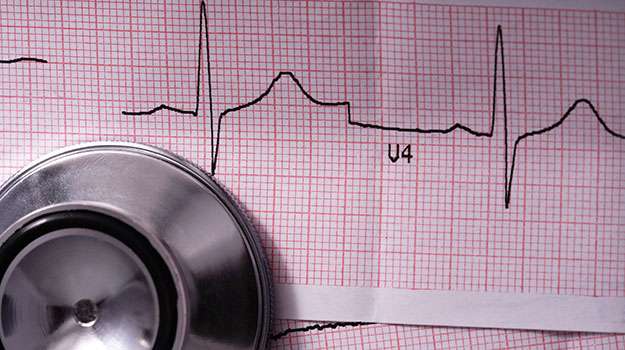
A cardiac stress test evaluates how your heart performs under physical stress. This examination helps determine if there are underlying heart problems that might not be evident at rest.
- Common reasons for undergoing this test include angina-like symptoms with exertion or a history suggesting risk factors like hypertension or diabetes.
- The test typically involves walking on a treadmill while monitoring your heart rate and rhythm via ECG throughout different levels of exertion until your target heart rate is achieved or you experience discomfort symptoms specifically induced by exercise stress testing protocols established prior to testing, ensuring safety throughout.
- Possible management options post-test will depend on observed responses during stress vs resting measurements – leading physicians towards informed decisions such as medication regimens adjustments based upon actionable data retrieved directly linked back directly just like anything else .
- Patients should understand they’ll feel slightly out-of-breath but overall maintain constant communication regarding their comfort levels throughout this evaluation period conducted strictly under supervised conditions.
This comprehensive assessment allows detection & treatment plans individualized toward each patient’s cardiovascular needs accordingly when faced with potential risks affecting overall well-being moving forward!
HOLTER MONITORING
This portable device monitors a patient's heart activity over 24-48 hours during normal daily activities. Holter monitoring provides insights into intermittent symptoms that may not appear during a standard ECG test.
- Main indications for this test include frequent palpitations, unexplained fainting spells, or symptoms suggesting arrhythmias.
- The device records every heartbeat throughout its wear time; patients are encouraged to keep a diary of activities and symptoms for correlation with data collected.
- A healthcare provider analyzes the recordings afterward to identify any abnormal rhythms or fluctuations that might need treatment assessment.
- No interference with daily life occurs since patients can continue their routine activities while wearing Holter monitors discreetly.
This monitoring technique is crucial for capturing transient events that could be significant in managing heart health effectively over time.
ELECTROCARDIOGRAM (ECG)
This simple yet powerful test records the electrical activity of the heart. It's often one of the first steps taken to evaluate abnormal symptoms related to cardiac function.
- Patients might experience sudden palpitations, dizziness, or chest discomfort that leads to an ECG referral.
- The test is performed using electrodes placed on the skin; it’s quick and generally painless.
- If abnormalities are detected, management can range from medication to further testing or lifestyle adjustments based on underlying conditions identified through ECG results.
- The process usually takes only about ten minutes, making it very accessible for quick assessments of cardiac health.
An ECG is invaluable in both diagnosing acute issues and monitoring ongoing cardiac concerns effectively.
ECHOCARDIOGRAM
This non-invasive test utilizes sound waves to create detailed images of the heart's structure and function. It plays a vital role in diagnosing various heart conditions.
- Common symptoms prompting an echocardiogram include unexplained shortness of breath, irregular heartbeats, or signs of heart failure.
- The procedure is painless and involves the placement of a transducer on the chest wall.
- Treatment decisions are guided by findings from the echocardiogram, which may include medication adjustments or further interventions like surgery.
- Results are typically available shortly after the procedure, allowing for timely diagnosis and management planning.
An echocardiogram is essential for assessing cardiac health and guiding therapeutic choices effectively.
CORONARY ANGIOGRAPHY
This diagnostic procedure allows physicians to visualize the blood vessels supplying the heart. It is crucial for identifying blockages or narrowing due to coronary artery disease.
- Symptoms may include chest pain, shortness of breath, or fatigue during physical activity.
- Diagnosis occurs through an X-ray imaging technique that uses a special dye injected into the coronary arteries.
- Treatment options can involve lifestyle changes, medications, or procedures such as angioplasty if blockages are found.
- Patients can expect minimal discomfort; however, post-procedure observation may be required to ensure recovery.
Coronary angiography is instrumental in determining appropriate treatment strategies for heart conditions and can significantly guide patient management.