
Dr Bhasker Sharm
About Me
Dr Bhasker Sharm
MBBS
General Physician
Biography
My Clinic
OPD Hours
| Monday | Morning | 10:00 AM | - | 02:00 PM |
| Evening | 06:00 PM | - | 09:00 PM | |
| Tuesday | Morning | 10:00 AM | - | 02:00 PM |
| Evening | 06:00 PM | - | 09:00 PM | |
| Wednesday | Morning | 10:00 AM | - | 02:00 PM |
| Evening | 06:00 PM | - | 09:00 PM | |
| Thursday | Morning | 10:00 AM | - | 02:00 PM |
| Evening | 06:00 PM | - | 09:00 PM | |
| Friday | Morning | 10:00 AM | - | 02:00 PM |
| Evening | 06:00 PM | - | 09:00 PM | |
| Saturday | Morning | 10:00 AM | - | 02:00 PM |
| Evening | 06:00 PM | - | 09:00 PM | |
| Sunday | Morning | 10:00 AM | - | 02:00 PM |
| Evening | 06:00 PM | - | 09:00 PM |
Treatments
Specialised care and treatments offered
ALLERGIC RHINITIS
This condition involves an allergic response causing inflammation in the nasal passages due predominantly pollen dust mites pet dander molds etc., resulting irritatingly observable consequences such as sneezing itchy eyes runny nose triggering concerns nearly every season!
- Symptoms: Patients frequently report sneezing itching watery eyes congestion fatigue headaches respectively linked directly proximity allergens triggering seasonal pattern recognition too!
- Causes: Allergen exposure varies per individual reactions differ based genetic predispositions frequency place an ongoing source could perpetuate induced frustrations needing solution drawn professionally!
- Diagnosis: Evaluation initially starts off obtaining thorough history followed up skin tests occasionally blood work directs which substances provoke responses leading management planning!
- Treatment: Avoidance measures considered first line approach including antihistamines decongestants helpful means combating annoying effects though immunotherapy formal options worth investigating long-term control prevention strategies developing better quality living experiences without major disruptions...
Your doctor will guide deciding extent needful based lifestyle assessment plus comfort gainful outcomes post-management followed through effectively matching remedies ensuring peace mind established methods chosen suited best addressing personal needs!
COMMON COLD

The common cold is an upper respiratory tract infection caused by various viruses. It primarily spreads through person-to-person contact or contaminated surfaces leading to widespread illness during colder months mainly due its contagious nature!
- Symptoms: Coughing sneezing sore throat runny nose fatigue mild headache are typical complaints associated with colds;
- Causes: Rhinoviruses most commonly trigger these infections but multiple others exist; exposure while being out socializing makes transmission more likely.
- Diagnosis: Healthcare professionals usually diagnose colds based entirely on reported history without needing additional lab tests unless complications arise.
- Treatment: Most individuals recover without medication; symptomatic relief via rest hydration warm liquids assists healing significantly yet antiviral drugs aren’t indicated here.
- What To Expect: Symptoms generally last 7-10 days with lingering cough possible after initial recovery from inflamation occurring within airways so patience matters!
Please seek advice if extreme symptoms arise otherwise self-care should suffice until full resolution occurs.
URINARY TRACT INFECTION (UTI)

A urinary tract infection occurs when bacteria enter the urinary system causing inflammation and discomfort. It’s particularly prevalent among women but can affect anyone at any age.
- Symptoms: Frequent urination accompanied by burning sensations during urination is common; additional signs include cloudy urine and pelvic pain.
- Causes: UTIs arise from bacteria commonly found in the intestines entering the urinary tract; sexual activity can increase risk as well as certain hygiene practices.
- Diagnosis: A healthcare provider will typically conduct urine tests to identify bacteria responsible for infection along with assessing overall urinary function.
- Treatment: Treatment generally consists of antibiotics prescribed based on specific bacteria identified in testing; drinking plenty of fluids aids recovery as well!
If recurrent infections occur despite treatment efforts, further investigation may be required to address underlying causes effectively.
HYPERTENSION
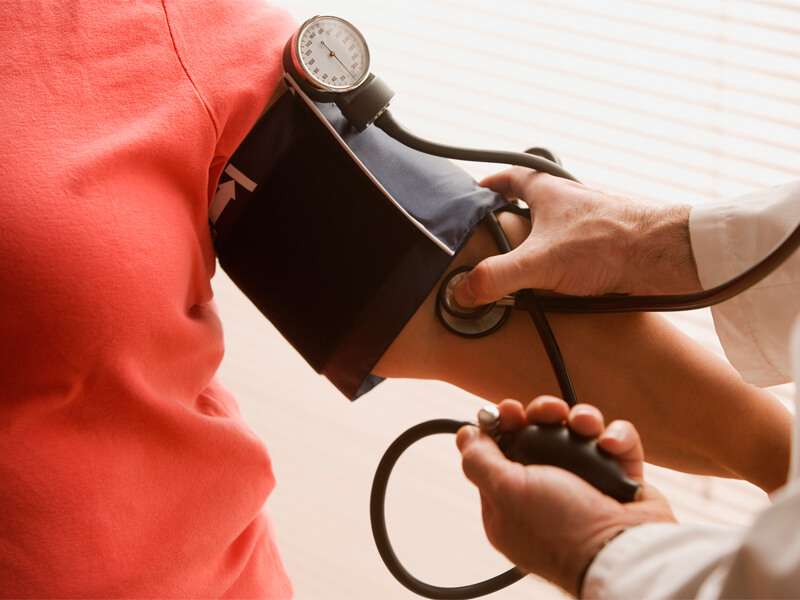
Hypertension, often referred to as high blood pressure, is a chronic condition that can lead to serious health issues if left untreated. Regular monitoring is essential for effective management of this silent but dangerous ailment.
- Symptoms: Many people experience no symptoms; however, some may experience headaches or nosebleeds in severe cases.
- Causes: Factors contributing to hypertension include obesity, lack of physical activity, poor diet (high in salt), stress levels, and genetics.
- Diagnosis: Blood pressure readings taken during routine visits are key for diagnosis; additional tests may evaluate underlying causes or assess heart health.
- Treatment: Lifestyle modifications play a significant role—this includes dietary changes and regular exercise. Medications might be necessary depending on individual risk factors and readings.
If managed effectively through regular check-ups and adherence to treatment plans, individuals can maintain healthy blood pressure levels throughout their lives!
GASTROENTERITIS
This condition involves inflammation of the stomach and intestines due to infection or irritation. Gastroenteritis is often caused by viral or bacterial infections leading to diarrhea and vomiting.
- Symptoms: Key symptoms include watery diarrhea, abdominal cramps, nausea, and sometimes fever.
- Causes: Contaminated food or water can introduce pathogens into the digestive system. Some cases are due to stress or other underlying health conditions.
- Diagnosis: Diagnosis generally relies on symptom evaluation; stool tests may be performed in severe cases for precise identification of pathogens.
- Treatment: Hydration is vital; oral rehydration solutions can help. Antibiotics are only prescribed in specific bacterial cases.
- What to Expect: Recovery is typically swift with proper hydration. However, it's essential to monitor for dehydration signs which may require medical attention.
If persistent symptoms occur or dehydration develops, it’s important to seek help promptly.
ACUTE BRONCHITIS
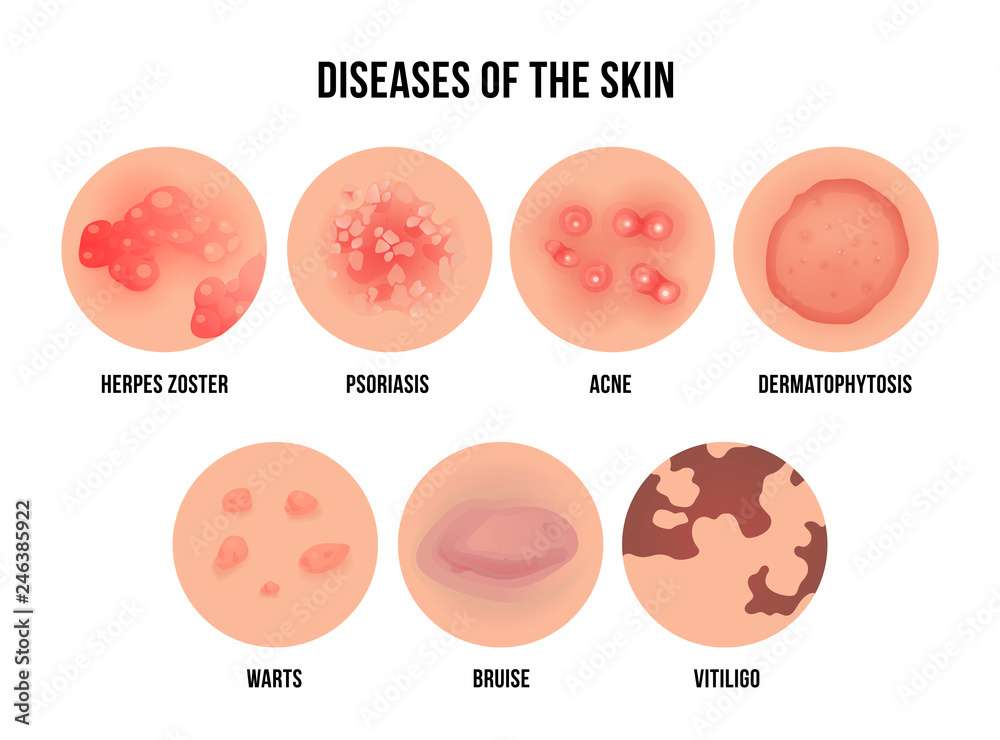
Acute bronchitis is a common respiratory condition characterized by inflammation of the bronchial tubes, which can lead to coughing and difficulty breathing. It often occurs following a viral infection, such as the common cold or flu.
- Symptoms: Common symptoms include a persistent cough, production of mucus, fatigue, and mild fever.
- Causes: Viral infections are the primary cause, but exposure to irritants like smoke and pollution can also contribute.
- Diagnosis: A healthcare provider will review your symptoms, perform a physical examination, and may conduct tests like a chest X-ray if necessary.
- Treatment: Management typically includes rest, increased fluid intake, and over-the-counter medications to relieve symptoms. Antibiotics are usually not required unless there's a secondary bacterial infection.
- What to Expect: Most individuals recover within a few weeks; however, lingering cough may persist longer. Follow-up may be needed if symptoms worsen.
If you experience persistent or severe symptoms, seeking medical attention is crucial for appropriate care.