
Dr Bhatia Medical
About Me
Dr Bhatia Medical
MD
Anesthesiologist
Biography
My Clinic
OPD Hours
| Monday | Morning | 10:00 AM | - | 02:00 PM |
| Evening | 06:00 PM | - | 09:00 PM | |
| Tuesday | Morning | 10:00 AM | - | 02:00 PM |
| Evening | 06:00 PM | - | 09:00 PM | |
| Wednesday | Morning | 10:00 AM | - | 02:00 PM |
| Evening | 06:00 PM | - | 09:00 PM | |
| Thursday | Morning | 10:00 AM | - | 02:00 PM |
| Evening | 06:00 PM | - | 09:00 PM | |
| Friday | Morning | 10:00 AM | - | 02:00 PM |
| Evening | 06:00 PM | - | 09:00 PM | |
| Saturday | Morning | 10:00 AM | - | 02:00 PM |
| Evening | 06:00 PM | - | 09:00 PM | |
| Sunday | Morning | 10:00 AM | - | 02:00 PM |
| Evening | 06:00 PM | - | 09:00 PM |
Treatments
Specialised care and treatments offered
ASSESSMENT FOR CHRONIC PAIN SYNDROMES
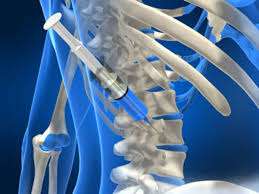
The assessment of chronic pain syndromes involves understanding complex patterns affecting individuals’ lives. Tailored evaluations focus on unearthing intricate details surrounding prolonged discomfort experienced by patients over time.
- Symptoms/Causes: Chronic conditions can manifest through persistent pain signals resulting from previous injury or ongoing illness.
- Diagnosis: Each patient undergoes comprehensive assessments using both clinical examinations alongside necessary imaging studies as required.
- Treatment/Management Options: Individualized plans may include pharmacological interventions alongside non-pharmacological therapies such as physical rehabilitation strategies aimed at relief.
- What to Expect: Following assessments, collaborative discussions would steer towards practical solutions geared towards optimizing outcomes effectively over time.
This multidisciplinary strategy encourages ongoing support enabling continuity throughout treatment progression accommodating personalized approaches sensitive toward unique experiences.
ANESTHESIA FOR ENDOSCOPY

Anesthesia plays a significant role in endoscopic procedures by providing comfort while minimizing risk. This specialized technique allows clinicians to perform vital diagnostics without causing distress to patients.
- Symptoms/Causes: Patients often require endoscopy due to symptoms like abdominal discomfort or gastrointestinal bleeding which necessitate further investigation.
- Diagnosis: A detailed pre-assessment ensures proper selection of sedation techniques tailored specifically for each individual’s needs.
- Treatment/Management Options: Procedural sedatives aim at enhancing patient comfort; techniques vary based on individual cases.
- What to Expect: Post-procedure, patients may feel groggy but will be closely monitored until fully alert before discharge.
A seamless integration between diagnostic urgency and compassionate anesthetic care enhances overall procedural success rates.
POSTOPERATIVE ANESTHESIA CARE

The postoperative period requires careful consideration for anesthetic recovery. Appropriate monitoring ensures that all aspects of a patient's recovery from anesthesia are managed effectively.
- Symptoms/Causes:A common concern involves nausea or lingering effects from anesthesia after surgery which requires attentive care post-procedure.
- Diagnosis:A continuous assessment during recovery allows healthcare providers to detect complications swiftly and address patient needs appropriately
- (...)Treatment/Management Options...
- (...)What to Expect...
PAIN MANAGEMENT CONSULTATIONS

Pain management consultations involve assessing chronic pain conditions to develop personalized care strategies. These consultations aim at improving quality of life through comprehensive assessment and planning.
- Symptoms/Causes: Chronic pain may result from various conditions such as arthritis or past injuries that impact daily living.
- Diagnosis: Detailed evaluations including physical exams and diagnostic imaging help identify the underlying causes of pain.
- Treatment/Management Options:Error! This treatment option provides tailored approaches that could include medications, therapy, or interventional pain management techniques.
- What to Expect:The consultation process involves open communication about pain experiences which allows for effective treatment planning with realistic goals.
A collaborative approach ensures ongoing support throughout your treatment journey for chronic pain management.
SEDATION TECHNIQUES

Sedation techniques are essential for ensuring patient comfort during various medical procedures. These methods help alleviate anxiety and enable relaxation, allowing for smoother operations.
- Symptoms/Causes: Fear or anxiety associated with medical procedures often leads to requests for sedation.
- Diagnosis: Assessing patient history and current health status guides the selection of appropriate sedation levels.
- Treatment/Management Options: Options range from minimal sedation, where patients remain awake but relaxed, to deep sedation, where they may not recall the procedure at all.
- What to Expect: Depending on the level of sedation chosen, patients might feel drowsy and relaxed yet responsive throughout their procedure.
This approach ensures patients have a more positive experience in clinical environments.
REGIONAL ANESTHESIA

Regional anesthesia is a technique used to block pain in a specific area of the body. It is commonly utilized for surgeries and procedures involving the lower half of the body, allowing patients to remain awake while being pain-free.
- Symptoms/Causes: Patients may experience localized pain, discomfort during surgery, or conditions that necessitate targeted pain management.
- Diagnosis: A thorough evaluation including medical history and physical examination helps determine the appropriateness of regional anesthesia for a patient.
- Treatment/Management Options: Various techniques such as spinal blocks or epidurals are employed depending on the procedure.
- What to Expect: Patients can expect reduced sensation in the targeted area, which aids in both comfort and successful surgical outcomes.
This approach can enhance recovery times and reduce reliance on general anesthesia.