
Dr Bhavesh Meel
About Me
Dr Bhavesh Meel
MD
Cardiologist
10 Years Experience
Biography
My Clinic
OPD Hours
| Monday | Morning | 10:00 AM | - | 02:00 PM |
| Evening | 06:00 PM | - | 09:00 PM | |
| Tuesday | Morning | 10:00 AM | - | 02:00 PM |
| Evening | 06:00 PM | - | 09:00 PM | |
| Wednesday | Morning | 10:00 AM | - | 02:00 PM |
| Evening | 06:00 PM | - | 09:00 PM | |
| Thursday | Morning | 10:00 AM | - | 02:00 PM |
| Evening | 06:00 PM | - | 09:00 PM | |
| Friday | Morning | 10:00 AM | - | 02:00 PM |
| Evening | 06:00 PM | - | 09:00 PM | |
| Saturday | Morning | 10:00 AM | - | 02:00 PM |
| Evening | 06:00 PM | - | 09:00 PM | |
| Sunday | Morning | 10:00 AM | - | 02:00 PM |
| Evening | 06:00 PM | - | 09:00 PM |
Treatments
Specialised care and treatments offered
BLOOD PRESSURE MONITORING

The measurement of blood pressure is fundamental in assessing cardiovascular health. Regular monitoring can detect hypertension early and prevent long-term complications such as stroke or heart failure.
CORONARY ANGIOGRAPHY
A specialized imaging procedure that visualizes blood flow through coronary arteries using contrast dye and X-rays. It helps in pinpointing blockages causing chest pain or other ischemic symptoms accurately.
HOLTER MONITORING
This portable device continuously records the heart’s electrical activity over 24-48 hours or longer. Holter monitoring is ideal for detecting intermittent arrhythmias not always caught during routine ECG tests.
- Disease focus: Identifies irregular heartbeat episodes that cause dizziness, palpitations or fainting spells.
- User experience:The lightweight monitor is worn comfortably throughout daily activities including sleep periods to gather comprehensive data.
- Description of results:The recorded information displays frequency, duration, and type of abnormal rhythms occurring outside clinical settings.
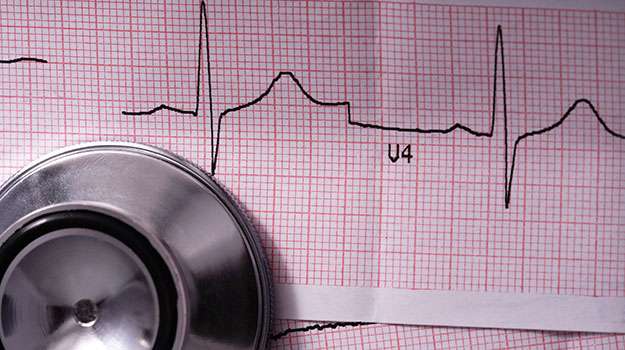
ELECTROCARDIOGRAM (ECG/EKG)
An electrocardiogram records the electrical activity of the heart to detect arrhythmias and signs of heart damage. It is one of the simplest yet most informative cardiac tests available.
- Simplistic setup: Electrodes are placed on the skin at specific locations to capture electrical impulses from the heart muscle.
- Disease detection: Useful for diagnosing conditions such as atrial fibrillation, myocardial infarction, or conduction abnormalities.
- Painless procedure: Lasts only a few minutes and poses no discomfort or risk to patients.
- Interpreting findings: Abnormal waveforms alert physicians to underlying problems needing further evaluation or urgent care.
This diagnostic method provides a quick snapshot of cardiac rhythm integrity aiding early detection and management of cardiovascular disorders efficiently.
STRESS TEST (TREADMILL TEST)
The stress test assesses how the heart performs under physical exertion. It is used to identify possible blockages or ischemia caused by insufficient blood supply during exercise.
- Indications: Patients with chest pain or suspected coronary artery disease frequently undergo this test.
- Method: Patients walk on a treadmill while their ECG, blood pressure, and symptoms are monitored continuously.
- Data collected: Changes in heart rhythm, blood pressure response, and exercise capacity help evaluate cardiac health.
- Safety measures: Conducted under strict supervision with emergency equipment readily available.
The results provide valuable insight into cardiovascular endurance and help tailor individualized treatment strategies to reduce risk of cardiac events.
ECHOCARDIOGRAPHY
Echocardiography is a non-invasive imaging technique that uses ultrasound waves to create detailed pictures of the heart. This tool helps in assessing heart structure and function with precision.
- Purpose: It evaluates heart chambers, valves, and blood flow dynamics.
- How it works: A transducer sends sound waves that reflect off cardiac tissues, producing live images.
- Common uses: Diagnosing valve diseases, cardiomyopathies, and detecting abnormalities like pericardial effusion.
- Procedure: Painless, no radiation exposure, usually completed within 30-60 minutes.
- Interpretation: Helps physicians determine treatment plans based on heart function status.
This diagnostic test is vital for monitoring various cardiac conditions and guiding appropriate medical or surgical interventions effectively.