
Dr Bhavesh Vajifdar
About Me
Dr Bhavesh Vajifdar
Cardiologist
Biography
My Clinic
OPD Hours
| Tuesday | Morning | 10:00 AM | - | 02:00 PM |
| Evening | 06:00 PM | - | 09:00 PM | |
| Wednesday | Morning | 10:00 AM | - | 02:00 PM |
| Evening | 06:00 PM | - | 09:00 PM | |
| Thursday | Morning | 10:00 AM | - | 02:00 PM |
| Evening | 06:00 PM | - | 09:00 PM | |
| Friday | Morning | 10:00 AM | - | 02:00 PM |
| Evening | 06:00 PM | - | 09:00 PM | |
| Saturday | Morning | 10:00 AM | - | 02:00 PM |
| Evening | 06:00 PM | - | 09:00 PM | |
| Sunday | Morning | 10:00 AM | - | 02:00 PM |
| Evening | 06:00 PM | - | 09:00 PM | |
| Thursday | Morning | 10:00 AM | - | 02:00 PM |
| Evening | 06:00 PM | - | 09:00 PM |
Treatments
Specialised care and treatments offered
PERIPHERAL VASCULAR DISEASE TREATMENT

PVD refers commonly discusses narrowing arteries outside your brain/heart—the leading cause stemming reduced blood supply legs/tissue potentially leading amputations so treatments vital indeed! Managing this condition effectively can improve circulation considerably while reducing associated complications significantly!
- When observing typical signs/symptoms some might report numbness/coldness feet/toes muscle cramps when walking . Diagnosis typically performed via ultrasound/magnetic resonance angiography examining obstruction levels itself ensuring proper strategies developed thereafter based upon findings absolutely matter!
- Common therapeutic options encompass lifestyle changes/exercise guidance medications aimed improving circulation plus endovascular approaches like balloon angioplasty/stenting facilitating increased vessel patency allowing healthy blood flow restored back uninterruptedly throughout . < li />Definitely expect crucial communication follow-up appointments educating self-management techniques which tremendously influence long term success interventions chosen moving forward together always aiming promote healthier lifestyle choices habits become naturalized dimensions lives positively impacting overall well-being assured! > / ul >
TRANSCATHETER AORTIC VALVE REPLACEMENT (TAVR)
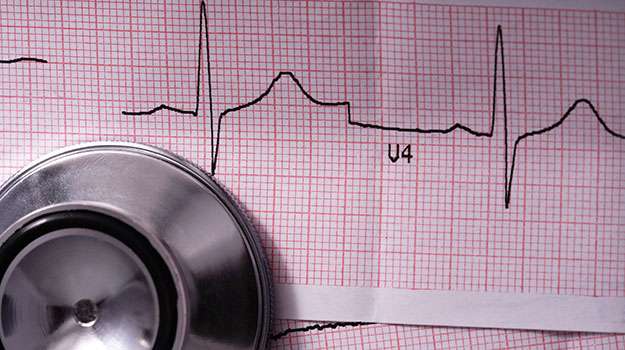
TAVR is a minimally invasive procedure designed to replace narrowed aortic valves that fail to open properly (aortic stenosis). This approach is ideal for patients who may face higher risks during traditional surgery due to age or other health concerns.
- The primary symptoms include shortness of breath during exertion, persistent fatigue, and syncope (fainting).
- A comprehensive evaluation using echocardiography and imaging studies allows cardiologists to determine suitability for TAVR treatment appropriately.
- This method involves threading a catheter through blood vessels; new valves are delivered directly into place without requiring chest opening—a major advantage over traditional surgery!
IMPLANTABLE CARDIOVERTER-DEFIBRILLATOR (ICD) PLACEMENT
An implantable cardioverter-defibrillator (ICD) is a device designed to monitor heart rhythms and deliver shocks if dangerous arrhythmias occur. It's primarily recommended for patients at high risk for sudden cardiac arrest due to previous incidents or certain heart conditions.
- Sufferers may not exhibit strong symptoms, but those experiencing unexplained fainting spells should seek evaluation immediately.
- The diagnosis involves detailed assessments including Echocardiograms, stress tests, and sometimes genetic evaluations if hereditary factors are suspected.
- If indicated, an ICD will be surgically implanted under the skin near the collarbone; it serves as a safeguard against severe arrhythmias while monitoring continuous heart activity.
- Patients often return home shortly after surgery, expecting close follow-ups to ensure proper functioning of the device.
ABLATION THERAPY
Ablation therapy is a technique designed to correct heart rhythm problems by selectively destroying tissue responsible for abnormal electrical signals. This treatment is beneficial for patients suffering from conditions like atrial fibrillation or atrial flutter.
- The most common symptoms include palpitations, dizziness, and episodes of fainting.
- This condition is diagnosed through a combination of electrocardiograms (ECGs), Holter monitors, and electrophysiological studies.
- Treatment methods can involve
HEART VALVE SURGERY
This surgical procedure addresses abnormalities in one or more heart valves, which can disrupt normal blood flow. Patients with conditions such as stenosis or regurgitation may require this intervention to restore proper cardiac function.
- Symptoms often include fatigue, swelling in the legs or abdomen, and irregular heartbeat.
- A thorough evaluation using Echocardiogram, CT scans, or MRI helps determine the severity of valve issues.
- Treatment options range from valve repair to complete valve replacement depending on the condition's severity.
- Post-surgery recovery varies but often includes rehabilitation and medication management for optimal recovery.
This surgery significantly enhances life expectancy and quality of life in affected patients.
CORONARY ANGIOPLASTY
Coronary angioplasty is a minimally invasive procedure used to open narrowed or blocked coronary arteries, ensuring adequate blood flow to the heart. This treatment is predominantly recommended for patients with coronary artery disease.
- Symptoms may include chest pain (angina), shortness of breath, and fatigue during physical exertion.
- The diagnosis typically involves stress tests, echocardiograms, or angiography to assess blood flow and identify blockages.
- Treatment usually consists of balloon dilation, possibly accompanied by the placement of a stent to keep the artery open.
- Patients can expect improved symptoms and an enhanced quality of life following the procedure, with many returning to normal activities within days.
This intervention significantly reduces the risk of heart attacks and improves overall heart health.