
Dr Bhavin Shial
About Me
Dr Bhavin Shial
General Physician
Biography
My Clinic
OPD Hours
| Tuesday | Morning | 10:00 AM | - | 02:00 PM |
| Evening | 06:00 PM | - | 09:00 PM | |
| Wednesday | Morning | 10:00 AM | - | 02:00 PM |
| Evening | 06:00 PM | - | 09:00 PM | |
| Thursday | Morning | 10:00 AM | - | 02:00 PM |
| Evening | 06:00 PM | - | 09:00 PM | |
| Friday | Morning | 10:00 AM | - | 02:00 PM |
| Evening | 06:00 PM | - | 09:00 PM | |
| Saturday | Morning | 10:00 AM | - | 02:00 PM |
| Evening | 06:00 PM | - | 09:00 PM | |
| Sunday | Morning | 10:00 AM | - | 02:00 PM |
| Evening | 06:00 PM | - | 09:00 PM | |
| Thursday | Morning | 10:00 AM | - | 02:00 PM |
| Evening | 06:00 PM | - | 09:00 PM |
Treatments
Specialised care and treatments offered
GASTROENTERITIS

This intestinal inflammation results from viral or bacterial infections. Gastroenteritis often manifests suddenly and requires careful management for recovery.
- Symptoms: Symptoms typically encompass diarrhea, vomiting, abdominal cramping, fever, and dehydration which necessitate close observation especially in children and older adults.
- Causes: Contaminated food and water are common sources of gastroenteritis; norovirus is particularly notorious for causing outbreaks in community settings like schools or nursing homes.
- Diagnosis: Clinical history combined with stool tests helps determine the causative agent if necessary; treating the symptoms remains the primary focus initially.
PNEUMONIA
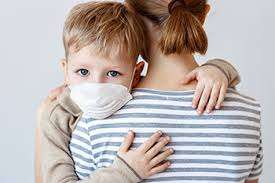
Pneumonia is an infection that inflames the air sacs in one or both lungs. It can be caused by various microorganisms, making awareness important for early intervention.
- Symptoms: Symptoms may include cough with phlegm, fever, chills, difficulty breathing, and chest pain when coughing or breathing deeply.
- Causes: Pneumonia can result from bacteria, viruses, or fungi; it is also influenced by pre-existing conditions such as asthma or COPD that weaken lung function.
- Diagnosis: A healthcare provider may use chest X-rays and sputum tests to confirm pneumonia; physical exams also help ascertain respiratory distress signs.
- Treatment: Antibiotics are frequently prescribed for bacterial pneumonia while viral infections might require antiviral medicines along with supportive care including rest and hydration.
- What to expect: Recovery duration varies depending on health status; many patients improve within days but must avoid any strenuous activities until fully recovered.
Pneumonia requires prompt treatment. Awareness of symptoms ensures swift medical consultation leading to better outcomes for affected individuals.
DIABETES MELLITUS
This metabolic disorder results in elevated blood sugar levels due to inadequate insulin production or response. It's crucial for individuals to understand diabetes management for long-term health.
- Symptoms: Common signs include increased thirst, frequent urination, fatigue, and blurry vision that may indicate elevated glucose levels.
- Causes: Type 1 diabetes is often autoimmune in nature while Type 2 results from lifestyle factors such as inactivity and poor diet.
- Diagnosis: Healthcare providers utilize fasting blood glucose tests or HbA1c testing to confirm the diagnosis of diabetes mellitus.
- Treatment: Treatment typically encompasses lifestyle adjustments including diet and exercise along with monitoring blood sugar levels; some individuals may require insulin therapy or oral medications.
- What to expect: Patients should anticipate ongoing education around managing their condition effectively through regular check-ups and self-monitoring techniques.
A proactive approach towards diabetes can prevent complications. Support and guidance are key in achieving successful management of this disease.
HYPERTENSION
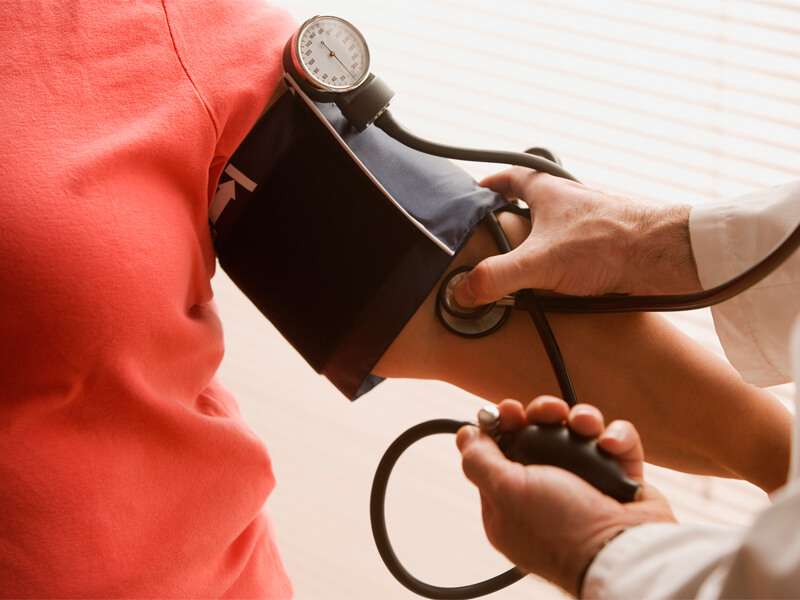
Hypertension, commonly referred to as high blood pressure, is a chronic condition that can lead to serious health issues if left untreated. It often has no noticeable symptoms, but its effects can be severe.
- Symptoms: Many people with hypertension may experience headaches, shortness of breath, or nosebleeds, but these symptoms may not appear until the condition has reached a critical stage.
- Causes: Factors contributing to hypertension include a poor diet, lack of physical activity, obesity, and genetic predisposition.
- Diagnosis: Blood pressure is measured using a sphygmomanometer; consistent readings above 130/80 mmHg are indicative of hypertension.
- Treatment: Management strategies often involve lifestyle changes such as dietary modifications and increased exercise, alongside medications like ACE inhibitors or beta-blockers if necessary.
- What to expect: Regular monitoring is crucial for managing this condition effectively. Patients are advised to maintain follow-up appointments and adhere to prescribed treatments for optimal control.
Addressing hypertension is essential in preventing serious cardiovascular events. Early detection and consistent management can significantly improve quality of life.