
Dr Bhupendra Cha
About Me
Dr Bhupendra Cha
MBBS
Podiatrist
10 Years Experience
Biography
My Clinic
OPD Hours
| Monday | Morning | 10:00 AM | - | 02:00 PM |
| Evening | 06:00 PM | - | 09:00 PM | |
| Tuesday | Morning | 10:00 AM | - | 02:00 PM |
| Evening | 06:00 PM | - | 09:00 PM | |
| Wednesday | Morning | 10:00 AM | - | 02:00 PM |
| Evening | 06:00 PM | - | 09:00 PM | |
| Thursday | Morning | 10:00 AM | - | 02:00 PM |
| Evening | 06:00 PM | - | 09:00 PM | |
| Friday | Morning | 10:00 AM | - | 02:00 PM |
| Evening | 06:00 PM | - | 09:00 PM | |
| Saturday | Morning | 10:00 AM | - | 02:00 PM |
| Evening | 06:00 PM | - | 09:00 PM | |
| Sunday | Morning | 10:00 AM | - | 02:00 PM |
| Evening | 06:00 PM | - | 09:00 PM |
Treatments
Specialised care and treatments offered
HEEL SPURS
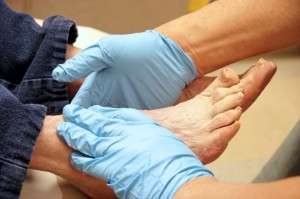
A heel spur is a bony outgrowth on the underside of the heel bone often associated with chronic plantar fascia stress. Although it can exist without symptoms, many experience localized heel pain particularly during walking or standing long periods.
- Causative mechanism & indicative signs: Microtrauma at plantar fascia insertion leads to calcification presenting as localized tenderness near heel attachment.
- Makes diagnosis clear: Lateral foot X-rays typically reveal characteristic spur formations confirming identification.
- Therapeutic pathways: Resting affected feet alongside anti-inflammatory drugs eases discomfort while orthotic devices cushion impact forces.
- If persistent agony occurs: Physical therapies such as ultrasound treatment help tissue repair , occasionally corticosteroid injections serve symptom relief goals.
- Mild surgical removal is rarely needed but reserved for refractory situations. Modification of biomechanical stresses helps facilitate recovery. t t
Timely recognition assists early correction leading to better long-term outcomes avoiding chronic impairment .
MORTON'S NEUROMA
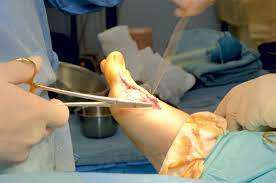
This painful foot condition arises from thickening around one of the nerves leading between toes causing sharp burning sensations commonly experienced between the third and fourth toes. It often results from repetitive irritation or compression within footwear.
- Main symptoms & causative factors: Shooting pain radiating into toes accompanied by numbness or tingling; typical in athletes or people wearing tight shoes.
- Differential diagnosis: A thorough clinical exam including palpation identifies tender spots; diagnostic imaging such as ultrasound can confirm nerve enlargement.
- Treatment options: Avoiding narrow shoes combined with corticosteroid injections relieves inflammation initially.
- Surgical consideration: If conservative attempts fail surgical decompression may be advised.
- Lifestyle advice: Proper shoe fitting reduces recurrence risk.
An individualized approach focusing on symptom control allows most patients to resume normal activities comfortably without drastic interventions unless necessary .
FLATFOOT (PES PLANUS)
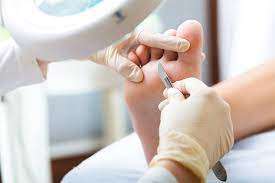
The condition known as flatfoot involves a decreased arch height resulting in the entire sole touching or nearly touching the ground. It can affect children and adults alike with varying impacts on mobility.
- Evident signs & causes: Noticeable arch flattening during standing combined with foot fatigue; may arise from ligament laxity or posterior tibial tendon dysfunction in adults.
- Eliciting diagnosis: Physical examination assessing arch flexibility plus weight-bearing X-rays clarifying bone alignment assist diagnosis accurately.
- Treatment methodologies: Custom orthotics support arch structures while targeted exercises strengthen supportive muscles to alleviate symptoms effectively.
INGROWN TOENAILS
An ingrown toenail occurs when the edge of a toenail grows into the surrounding skin causing discomfort and sometimes infection. This condition frequently affects the big toe but can involve any nail.
- Syndrome features: Painful redness along one side of the nail border accompanied by swelling, tenderness, or pus formation in advanced cases.
- Identification methods: Visual examination coupled with patient history usually suffices for diagnosis; severe infections might need further testing.
- Treatment options: Initial care includes warm soaks, proper nail trimming techniques, antibiotics if infected, and wearing comfortable footwear.
- Surgical interventions: For recurrent or severe cases, partial nail avulsion under local anesthesia may be recommended for symptomatic relief.
- Preventive measures: Proper nail cutting habits coupled with hygiene practices help avoid recurrence after treatment.
Caring promptly for early symptoms often prevents complications ensuring faster recovery and less discomfort over time.
DIABETIC FOOT ULCERS
Diabetic foot ulcers are open sores or wounds that occur primarily due to nerve damage and poor circulation in patients with diabetes. These ulcers can pose significant risks if not managed effectively.
- Causes and symptoms: Reduced sensation (neuropathy) leads to unnoticed injuries; signs include redness, swelling, discharge, or non-healing wounds on feet.
- Diagnosis: Careful inspection of the wound site along with assessment of blood flow and infection markers; sometimes imaging studies are needed.
- Treatment strategies: Wound cleaning, debridement of dead tissue, appropriate dressings, pressure offloading via special footwear or devices are essential components.
- Infection control: Antibiotics may be required if infection is present; regular monitoring is vital to prevent complications like cellulitis or osteomyelitis.
- Outcome expectations: Early intervention improves healing rates; prevention through foot care education is critical for diabetic patients.
A multidisciplinary approach tailored to individual needs helps optimize healing and minimize risks associated with diabetic foot ulcers.
PLANTAR FASCIITIS
Plantar fasciitis is a common foot condition that causes heel pain due to inflammation of the plantar fascia, a thick band of tissue connecting the heel bone to the toes. It often affects individuals who are physically active or those who stand for prolonged periods.
- Symptoms and causes: Sharp heel pain, especially with first steps in the morning or after resting; caused by repetitive strain or poor foot mechanics.
- Diagnosis: Clinical evaluation including history and physical examination; sometimes imaging like ultrasound or X-rays may be used to rule out other conditions.
- Treatment options: Conservative care such as stretching exercises, orthotic supports, anti-inflammatory medications, and physical therapy form the first-line management.
- Advanced management: In persistent cases, corticosteroid injections or shockwave therapy may be considered to reduce pain and inflammation.
- Prognosis: Most patients experience gradual improvement over weeks to months with appropriate care.
The approach focuses on relieving pain and addressing underlying biomechanical factors to restore normal function and prevent recurrence.