
Dr Bhupendra Kuma
About Me
Dr Bhupendra Kuma
MD
Neurologist
10 Years Experience
Biography
My Clinic
OPD Hours
| Monday | Morning | 10:00 AM | - | 02:00 PM |
| Evening | 06:00 PM | - | 09:00 PM | |
| Tuesday | Morning | 10:00 AM | - | 02:00 PM |
| Evening | 06:00 PM | - | 09:00 PM | |
| Wednesday | Morning | 10:00 AM | - | 02:00 PM |
| Evening | 06:00 PM | - | 09:00 PM | |
| Thursday | Morning | 10:00 AM | - | 02:00 PM |
| Evening | 06:00 PM | - | 09:00 PM | |
| Friday | Morning | 10:00 AM | - | 02:00 PM |
| Evening | 06:00 PM | - | 09:00 PM | |
| Saturday | Morning | 10:00 AM | - | 02:00 PM |
| Evening | 06:00 PM | - | 09:00 PM | |
| Sunday | Morning | 10:00 AM | - | 02:00 PM |
| Evening | 06:00 PM | - | 09:00 PM |
Treatments
Specialised care and treatments offered
NEUROPATHY SCREENING AND INTERVENTION

Nerve damage known as neuropathy can cause numbness, tingling, burning sensations, or muscle weakness often starting in hands or feet. Early detection improves management success rates substantially.
- Causes : Diabetes mellitus is a common contributor alongside infections, toxins exposure & hereditary conditions ;
- Diagnostic procedures : Clinical examination combined with nerve conduction studies identifies affected nerves & severity levels ;
- Treatment strategies : Addressing underlying cause plus symptomatic relief using medications such as anticonvulsants/tricyclic antidepressants ;
- Prognosis expectations : While some nerve injuries improve with therapy others require long-term supportive care including physical rehabilitation ;
Comprehensive neuropathy screening helps detect early nerve impairment allowing focused treatment plans minimizing complications over time.
MULTIPLE SCLEROSIS (MS) MONITORING
An autoimmune condition where the immune system attacks the protective covering of nerves causing communication disruptions between the brain and body. Close monitoring is key to managing MS effectively.
- - Disease indicators:: Symptoms include vision problems, numbness or weakness in limbs, balance difficulties, fatigue, or cognitive changes appearing in episodes that remit partially or fully before recurring; - Diagnostic tools : Magnetic Resonance Imaging (MRI) detects lesions typical of MS whereas lumbar puncture checks cerebrospinal fluid abnormalities;- Treatment elements : Disease-modifying therapies aim at reducing relapse frequency & slowing progression alongside symptom management medications;- Patient outlook : Early diagnosis plus adherence improves prognosis though individual course varies significantly.;
Regular neurological evaluations track disease activity helping tailor treatment interventions promptly ensuring optimal patient well-being.
PARKINSON’S DISEASE SCREENING AND CARE
This progressive neurodegenerative disorder affects movement control due to loss of dopamine-producing brain cells. Early recognition enables timely symptomatic relief strategies.
- Main signs: Resting tremor, rigidity, slowed movements (bradykinesia), and postural instability emerge gradually over years.
- Assessment methods: Clinical neurological exams evaluate motor symptoms; imaging may assist but diagnosis is primarily clinical based on criteria like UK Parkinson’s Disease Society Brain Bank guidelines.
- Treatment approaches: Medications such as levodopa improve motor function; physical therapy supports mobility maintenance.
- Lifestyle advice: Exercise programs can slow progression of disability by enhancing muscle strength and balance.
MIGRAINE EVALUATION AND MANAGEMENT
Migraines are severe headaches often accompanied by nausea, visual disturbances, or sensitivity to light and sound. Understanding migraine mechanisms aids in effective control strategies.
- Identifying symptoms: Pulsating head pain typically affecting one side; aura symptoms may precede attacks in some patients.
- Diagnosis criteria: Based on detailed medical history and symptom pattern following guidelines such as those from the International Headache Society.
- Treatment options: Acute relief with analgesics or triptans; preventive therapies including beta-blockers, antiepileptics, or CGRP inhibitors for frequent migraines.
- Lifestyle modifications: Regular sleep schedules, stress reduction techniques, and dietary adjustments can reduce episode frequency.
An individualized migraine management plan helps reduce attack severity while improving daily functioning for sufferers.
EPILEPSY DIAGNOSIS AND TREATMENT
Epilepsy is a neurological disorder characterized by recurrent seizures due to abnormal brain activity. Proper diagnosis and personalized treatment are essential for seizure control.
- Symptoms: Seizures vary from brief lapses in awareness to full convulsions; other signs may include unusual sensations or behavioral changes.
- Diagnostic process: Electroencephalogram (EEG) records brain electrical activity; MRI scans help identify underlying causes such as lesions.
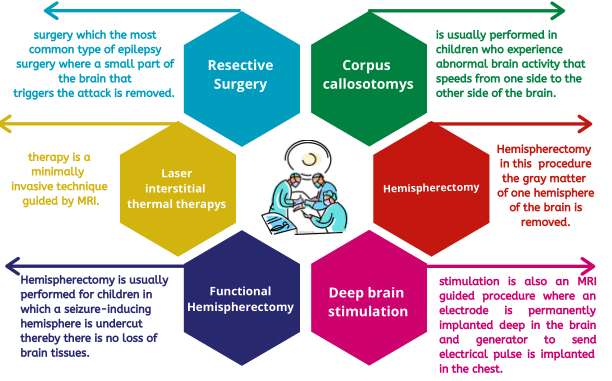
- Treatment approaches: Antiepileptic medications tailored to seizure type form the cornerstone of therapy; some cases might benefit from surgery or neurostimulation devices.
- Lifestyle considerations: Avoiding triggers like sleep deprivation or alcohol can reduce seizure frequency.
A thoughtful management plan aims to minimize seizures and improve quality of life while monitoring for side effects of treatment over time.
STROKE PREVENTION AND MANAGEMENT
A stroke is a sudden interruption of blood supply to the brain, which can cause permanent neurological damage. Preventing strokes involves identifying risk factors early and managing them effectively.
- Causes and symptoms: High blood pressure, diabetes, smoking, and atrial fibrillation increase stroke risk; symptoms include sudden weakness, difficulty speaking, or facial drooping.
- Diagnosis: Imaging tests such as CT scans or MRIs, alongside clinical evaluation, help identify stroke type and extent.
- Treatment options: Emergency treatments may include clot-busting drugs or surgical interventions; long-term management focuses on controlling risk factors through medication and lifestyle changes.
- Preventive measures: Regular monitoring of blood pressure, cholesterol, and blood sugar along with antiplatelet therapy for at-risk patients.
- What to expect: Early intervention improves outcomes; rehabilitation therapies aid recovery but some disabilities may persist.
Staying informed about stroke prevention empowers patients to reduce their risks through proactive health care and compliance with treatment plans.