
Dr Bhupesh Bhatt
About Me
Dr Bhupesh Bhatt
MBBS
General Physician
Biography
My Clinic
OPD Hours
| Monday | Morning | 10:00 AM | - | 02:00 PM |
| Evening | 06:00 PM | - | 09:00 PM | |
| Tuesday | Morning | 10:00 AM | - | 02:00 PM |
| Evening | 06:00 PM | - | 09:00 PM | |
| Wednesday | Morning | 10:00 AM | - | 02:00 PM |
| Evening | 06:00 PM | - | 09:00 PM | |
| Thursday | Morning | 10:00 AM | - | 02:00 PM |
| Evening | 06:00 PM | - | 09:00 PM | |
| Friday | Morning | 10:00 AM | - | 02:00 PM |
| Evening | 06:00 PM | - | 09:00 PM | |
| Saturday | Morning | 10:00 AM | - | 02:00 PM |
| Evening | 06:00 PM | - | 09:00 PM | |
| Sunday | Morning | 10:00 AM | - | 02:00 PM |
| Evening | 06:00 PM | - | 09:00 PM |
Treatments
Specialised care and treatments offered
PREVENTIVE VACCINATIONS
Vaccinations are vital tools in preventing infectious diseases and protecting individual and community health. Staying updated with immunizations supports both personal wellbeing and public safety standards against outbreaks.
- Benefits of vaccinations : They provide immunity against diseases such as influenza (flu), measles/mumps/rubella (MMR) helping reduce morbidity rates significantly within populations vaccinated effectively.
- Key vaccines recommended : Routine vaccinations include childhood series along with adult boosters such as tetanus-diphtheria-pertussis (Tdap) plus annual flu shots ensuring comprehensive coverage throughout life stages.
- Assessment needs prior vaccination : An evaluation regarding existing medical conditions must occur prior administering certain vaccines ensuring maximal safety while considering contraindications based upon individual histories beforehand.
- Follow-up protocols post-vaccination : Patients should observe possible side effects closely following inoculation; however mild fever/headaches typically resolve quickly without intervention needed most times generally occurring within three days following administration procedures mentioned above followed up accordingly thereafter documenting efficacy & feedback data collected routinely thereafter due diligence approached always supported respectively.
Engaging proactively through staying current ensures vaccination success especially promoting herd immunity leading down pathways towards enhanced overall societal protection at large scale levels expected positively henceforward respectively demonstrating utmost value & significance realized collectively moving ahead cumulatively thereafter henceforth undoubtedly fulfilled satisfactorily too overall backward compatibly assured thereby thoroughly embraced supporting beneficial outcomes pursued across pembentangan aspects deemed absolutely vital consequently resonating inclusively shared aimfully appreciated onward forward motion progressively achieved
ANNUAL HEALTH CHECK-UP

An annual health check-up serves as an excellent opportunity for preventative care and early detection of potential health issues. Taking part in regular screenings promotes longevity and wellness.
- The importance of routine examinations: Many chronic diseases develop without noticeable symptoms; thus regular check-ups help identify these conditions early on before they escalate into serious problems.
- Key assessments : A typical examination may include checks on blood pressure levels, cholesterol measurements via blood tests along with screenings for diabetes or cancer markers based on age-specific recommendations.
- Personalized preventive measures : Depending on risk factors identified during the exam; lifestyle modifications such as dietary adjustments paired with physical activities tailored towards improving overall fitness would be suggested.
- Follow-up appointments : Depending upon findings from the check-up; further investigations could be planned while encouraging ongoing care through yearly evaluations ensures continued monitoring over time.
Prioritizing annual health assessments ultimately leads toward achieving optimal wellness throughout one's lifespan.
ALLERGY TESTING

If you experience unexplained symptoms such as sneezing, itching, or difficulty breathing after exposure to certain substances, allergy testing might be beneficial. Identifying allergens can help manage reactions effectively.
- Common symptoms: Allergic reactions manifest through skin rashes, nasal congestion, headaches or gastrointestinal disturbances after allergen exposure.
- Diagnostic approaches: Allergy testing typically involves skin prick tests or blood tests (specific IgE) conducted in a controlled environment where possible allergens are introduced gradually.
- Treatment options available: Once allergens are identified, avoidance strategies are discussed alongside potential treatments including antihistamines or immunotherapy as required based on severity.
- Your expectations post-testing: Patients receive an individualized action plan detailing which allergens to avoid and how to manage any future exposure efficiently.
This proactive step facilitates informed choices leading to improved health outcomes when dealing with allergies over time.
ASTHMA MANAGEMENT
Asthma is a chronic respiratory condition characterized by inflammation of the airways that causes breathing difficulties. Proper management can significantly improve quality of life for those affected.
- Symptoms: Wheezing, coughing (especially at night), shortness of breath, and chest tightness are typical symptoms experienced during asthma attacks.
- Diagnosis: Diagnosis often includes a detailed history taking along with pulmonary function tests that measure airflow obstruction.
- Treatment methods: Asthma management may involve inhaled corticosteroids for long-term control or rescue inhalers for quick relief during an attack. Avoiding triggers is vital as well.
- What patients should know: Developing an asthma action plan with your healthcare provider helps patients recognize worsening symptoms early and take appropriate steps before crises occur.
A comprehensive approach leads to better asthma control and enhances everyday living conditions for sufferers of this condition.
DIABETES SCREENING

Regular screening for diabetes is essential for early detection and management of this chronic condition. Diabetes can lead to various complications if not identified promptly.
- Signs: Increased thirst, frequent urination, excessive hunger, fatigue, and blurred vision are common symptoms associated with diabetes.
- Diagnosis: Diagnostics typically involve fasting glucose tests, hemoglobin A1c tests, or oral glucose tolerance tests conducted in a clinical setting.
- Management strategies: Treatment involves lifestyle modifications including diet control, exercise routines, alongside monitoring blood sugar levels regularly. Medications may be required depending on the type of diabetes.
- Expectations post-diagnosis: Patients are encouraged to participate in educational sessions about diabetes management and establish routine check-ups to keep their condition under control.
Proactive screening empowers patients by allowing early intervention for improved health outcomes.
HYPERTENSION MANAGEMENT
Hypertension, or high blood pressure, is a common condition that affects many individuals. It can lead to serious health complications if left untreated. Understanding your blood pressure readings and maintaining a healthy lifestyle are crucial in managing this condition.
- Symptoms: Often referred to as the 'silent killer', hypertension may not present noticeable symptoms initially. However, severe cases can lead to headaches, shortness of breath, and nosebleeds.
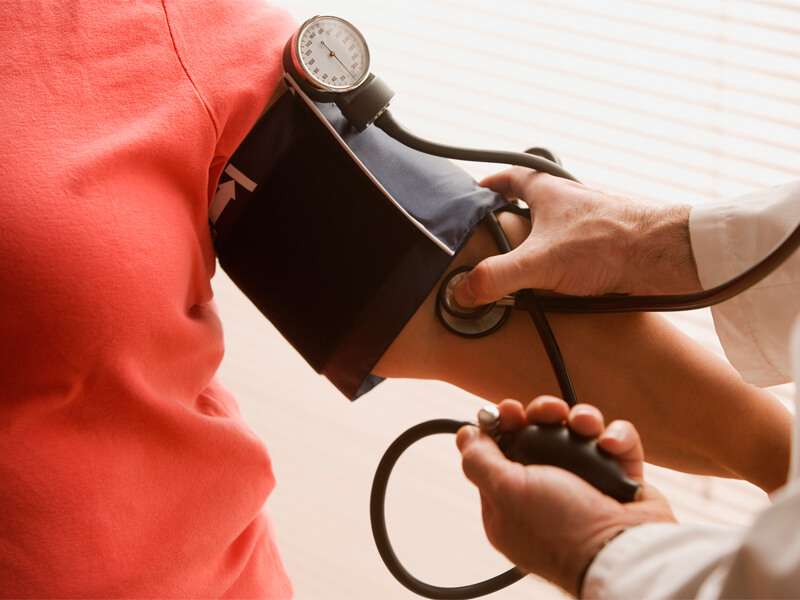
- Diagnosis: Blood pressure is measured using a sphygmomanometer in a healthcare setting. Regular monitoring is essential for accurate diagnosis.
- Treatment options: Management includes lifestyle changes such as diet modification (reducing salt intake), increased physical activity, and medications like diuretics or ACE inhibitors as necessary.
- What to expect: Routine follow-up appointments will help monitor your progress and adjust treatment plans if required. It’s important to adhere to prescribed medications for optimal control.
With regular management and a supportive care plan, individuals with hypertension can lead healthy lives.