
Dr Bhushan Lal Gu
About Me
Dr Bhushan Lal Gu
MD
Anesthesiologist
Biography
My Clinic
OPD Hours
| Monday | Morning | 10:00 AM | - | 02:00 PM |
| Evening | 06:00 PM | - | 09:00 PM | |
| Tuesday | Morning | 10:00 AM | - | 02:00 PM |
| Evening | 06:00 PM | - | 09:00 PM | |
| Wednesday | Morning | 10:00 AM | - | 02:00 PM |
| Evening | 06:00 PM | - | 09:00 PM | |
| Thursday | Morning | 10:00 AM | - | 02:00 PM |
| Evening | 06:00 PM | - | 09:00 PM | |
| Friday | Morning | 10:00 AM | - | 02:00 PM |
| Evening | 06:00 PM | - | 09:00 PM | |
| Saturday | Morning | 10:00 AM | - | 02:00 PM |
| Evening | 06:00 PM | - | 09:00 PM | |
| Sunday | Morning | 10:00 AM | - | 02:00 PM |
| Evening | 06:00 PM | - | 09:00 PM |
Treatments
Specialised care and treatments offered
ANESTHESIA COMPLICATIONS MANAGEMENT
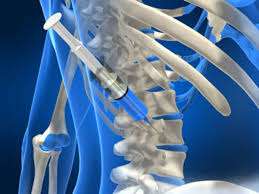
Managing complications related specifically linked directly due events surrounding various forms relating towards provided anesthetics require adept insight due circumstances unfolding present conditions experienced by multiple persons concurrently involved procedures undertaken across diverse settings..
- They encompass potential aspects ranging primarily from mild reactions elicited episodes impacting breathing difficulties arising together accompanying issues remaining too severe occurrences threatening lives beyond expected limits once decided course undertaken uphold standards imposed upon them
- Initial response elements initiated swiftly following clear protocols thus relieves stressors underpinning causes leading towards alarming developments emerging unexpectedly thus averting disasters unchecked allowed perpetuate drastically adverse scenarios arising within organisms reacting unpredictably given circumstances varying parameters encountered each instance associated discoveries made thereafter serve improve protocols established previously concerning managing similar trials occurring future practice endeavors overall positively influencing approaches adopted still measured against set preferences dictated per situation accordingly .
Diligent consideration ensures preparedness specifically tackling contingencies arising without negligence reflected commitment demonstrating utmost priority safety assuredness around trusted systems worked tirelessly maintain throughout experiences encountered involving deliveries made amongst diverse environments consistently safeguarding wellbeing paramount ventures undertaken once arrived appropriate conclusions deservedly sought after comprising across respective fields alike reaching success desired collectively anticipated long beforehand .
POSTOPERATIVE PAIN MANAGEMENT

Effective postoperative pain management ensures patients have a comfortable recovery after surgery. Tailoring pain control strategies is essential for optimal healing experiences following various surgical interventions.
- Strategies may include administering medication via oral pain relievers or local anesthetic infiltration at incision sites aimed at addressing different pain levels effectively..
- An evaluation prior to surgery assesses patient needs as well as potential allergies and reactions to analgesic medications
- Anesthesiologists play a critical role in performing nerve blocks that provide targeted relief while minimizing systemic side effects if necessary
- Caring monitoring during healing allows professionals to adjust treatment plans quickly according to individual responses following operations
Proper postoperative management significantly contributes towards enhancing quality experiences throughout recovering journeys while allowing individuals access needed resources.
INTRAVENOUS (IV) SEDATION

This method uses medications delivered directly into the bloodstream to induce relaxation before surgeries. IV sedation is particularly effective for patients who struggle with anxiety about medical procedures.
- This technique provides rapid effects, making it easier to manage patient discomfort swiftly during treatments.
- The dosage can be adjusted throughout the procedure based on real-time assessments by an anesthesiologist.
- Prior evaluations cover health history and current medications to minimize risks associated with sedation practices.
- The recovery phase may involve monitoring but often results in swift discharge if no complications arise post-surgery.
- Patients frequently report feeling drowsy but not entirely unconscious, retaining some awareness yet remaining comfortable during their procedures.
Understanding IV sedation helps patients alleviate pre-procedure anxiety effectively while ensuring favorable outcomes in diverse medical situations.
SEDATION FOR MINOR PROCEDURES

Sedation techniques are often employed in outpatient settings for minor procedures to help patients feel relaxed and minimally aware. This form of care focuses on maintaining comfort while supporting effective surgical outcomes.
- Sedatives can be administered orally, intravenously, or via inhalation depending on patient needs and the procedure type.
- This approach alleviates anxiety and discomfort without needing full anesthesia in many cases.
- A comprehensive assessment helps determine ideal sedation levels based on individual health status and procedure complexity.
- Anesthesiologists also provide continuous monitoring during these procedures to ensure patient safety at all times.
- Patients can expect quicker recovery times alongside their enhanced comfort when opting for sedation strategies.
Sedation offers a reassuring option for those facing minor but important medical interventions.
REGIONAL ANESTHESIA

Regional anesthesia is utilized to numb a specific area of the body, making it invaluable for certain surgeries. This type allows patients to remain awake while providing effective pain relief.
- This technique can be particularly beneficial for procedures involving limbs or lower body regions.
- The two main types are spinal blocks and epidural injections, both targeting nerve pathways.
- A detailed evaluation precedes administration to identify suitable candidates for this approach.
- Vital functions are monitored by the anesthesiologist during and after the procedure to ensure comfort and safety.
- Recovery usually involves less time in the hospital compared to general anesthesia options.
The choice of regional anesthesia can significantly enhance a patient's surgical experience.
GENERAL ANESTHESIA

This method of anesthesia is crucial for major surgeries where complete unconsciousness is required. General anesthesia ensures that a patient remains pain-free and unaware during the entire procedure.
- Common applications include surgeries on the heart, abdomen, or brain.
- It is typically administered through inhalation or intravenous (IV) methods.
- Prior to surgery, a thorough assessment involving medical history and potential risk factors is conducted.
- The anesthesiologist monitors vital signs closely throughout the procedure to ensure safety.
- Post-operative recovery involves management of any side effects, such as nausea or grogginess.
Understanding general anesthesia can help ease concerns and prepare you for the surgical experience ahead.