
Dr Bimal Kumar
About Me
Dr Bimal Kumar
MBBS
General Physician
10 Years Experience
Biography
My Clinic
OPD Hours
| Monday | Morning | 10:00 AM | - | 02:00 PM |
| Evening | 06:00 PM | - | 09:00 PM | |
| Tuesday | Morning | 10:00 AM | - | 02:00 PM |
| Evening | 06:00 PM | - | 09:00 PM | |
| Wednesday | Morning | 10:00 AM | - | 02:00 PM |
| Evening | 06:00 PM | - | 09:00 PM | |
| Thursday | Morning | 10:00 AM | - | 02:00 PM |
| Evening | 06:00 PM | - | 09:00 PM | |
| Friday | Morning | 10:00 AM | - | 02:00 PM |
| Evening | 06:00 PM | - | 09:00 PM | |
| Saturday | Morning | 10:00 AM | - | 02:00 PM |
| Evening | 06:00 PM | - | 09:00 PM | |
| Sunday | Morning | 10:00 AM | - | 02:00 PM |
| Evening | 06:00 PM | - | 09:00 PM |
Treatments
Specialised care and treatments offered
RESPIRATORY DISORDERS MANAGEMENT
The management of respiratory disorders is crucial due to their impact on daily living activities. Conditions such as asthma or chronic obstructive pulmonary disease (COPD) require careful attention for optimal management strategies involving prevention plans too!
- Symptoms/Causes:
PREVENTIVE HEALTH SCREENINGS

Preventive health screenings serve as proactive measures to detect diseases early before they escalate into more serious conditions. These evaluations help identify risks that might go unnoticed otherwise; therefore regular screenings are highly recommended depending on age and medical history.
- Symptoms/Causes:
WEIGHT MANAGEMENT
Weight management encompasses strategies aimed at achieving and maintaining a healthy body weight. This involves dietary changes, physical activity improvements, and behavioral modifications tailored to individual needs.
- Symptoms/Causes: Being overweight or underweight can lead to various health issues including diabetes, heart disease, or malnutrition stemming from poor dietary habits or lack of exercise.
- Diagnosis: Weight assessments typically use Body Mass Index (BMI) calculations alongside evaluation of dietary patterns and physical activity levels by healthcare professionals.
- Treatment Options: Approaches may include personalized meal plans created by nutritionists combined with exercise regimens designed for sustainability rather than quick fixes.
CHOLESTEROL MANAGEMENT
Cholesterol management focuses on maintaining healthy lipid levels in the body. High cholesterol can lead to atherosclerosis and increase the risk of heart disease if not addressed appropriately.
- Symptoms/Causes: High cholesterol typically does not present symptoms but is influenced by diet high in saturated fats and genetics.
- Diagnosis: A simple blood test called a lipid profile measures total cholesterol as well as LDL (bad) and HDL (good) cholesterol levels.
- Treatment Options: Treatment may include lifestyle modifications like diet changes rich in fiber and omega-3 fatty acids along with medications such as statins when necessary.
- What to Expect: With proper management strategies in place, patients can expect improved lipid profiles leading to lower cardiovascular risks over time.
An active role in monitoring cholesterol levels is vital for maintaining heart health throughout life stages.
DIABETES SCREENING

Diabetes screening is critical for early identification of the condition before it leads to complications. This process involves measuring your blood glucose levels to determine if you are at risk for diabetes or already have it.
- Symptoms/Causes: Symptoms include increased thirst, frequent urination, and extreme fatigue. Risk factors involve obesity, sedentary lifestyle, and family history.
- Diagnosis: Common tests include the fasting plasma glucose test and the A1C test which measures average blood sugar over three months.
- Treatment/Management Options: Managing diabetes may require dietary adjustments, increased physical activity, medication adherence, or insulin therapy based on individual needs.
- What to Expect: Continuous monitoring helps in managing the disease effectively while preventing potential complications such as neuropathy or cardiovascular issues.
Regular screenings are essential for those at risk to maintain optimal health and prevent long-term complications.
HYPERTENSION
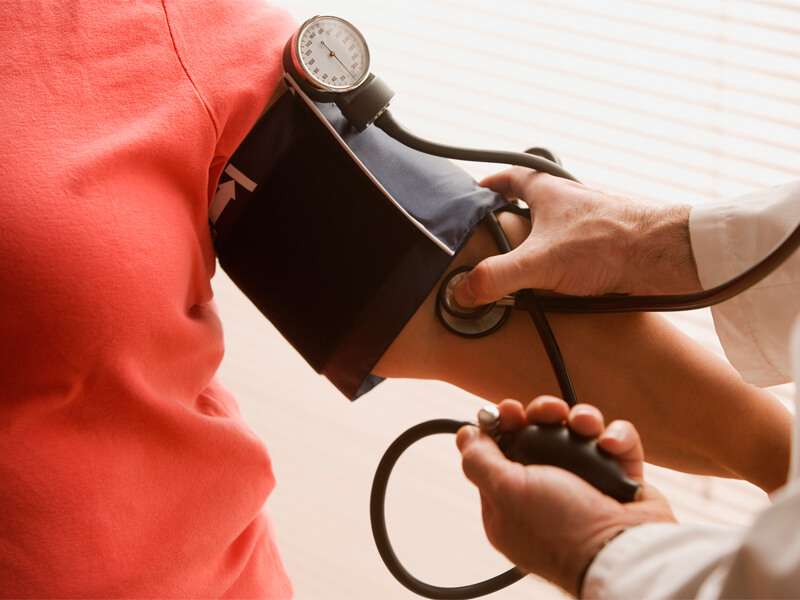
Hypertension, commonly known as high blood pressure, is a chronic condition that can lead to serious health complications if left untreated. It often develops over many years and usually has no symptoms. Regular check-ups are essential for early detection.
- Symptoms: Most individuals with hypertension do not experience noticeable symptoms; however, some may have headaches, shortness of breath, or nosebleeds in severe cases.
- Diagnosis: Blood pressure is measured using a sphygmomanometer. If readings consistently show 130/80 mmHg or higher, a diagnosis of hypertension may be made.
- Treatment Options: Management includes lifestyle changes such as a healthier diet, regular physical activity, and possibly medications like diuretics or ACE inhibitors.
- What to Expect: Patients will benefit from ongoing monitoring and adjustments in their treatment plan as necessary to control blood pressure effectively.
A proactive approach toward managing hypertension can significantly reduce the risk of heart disease and stroke.