
Dr Bina Wadhawan
About Me
Dr Bina Wadhawan
Cardiologist
Biography
My Clinic
OPD Hours
| Tuesday | Morning | 10:00 AM | - | 02:00 PM |
| Evening | 06:00 PM | - | 09:00 PM | |
| Wednesday | Morning | 10:00 AM | - | 02:00 PM |
| Evening | 06:00 PM | - | 09:00 PM | |
| Thursday | Morning | 10:00 AM | - | 02:00 PM |
| Evening | 06:00 PM | - | 09:00 PM | |
| Friday | Morning | 10:00 AM | - | 02:00 PM |
| Evening | 06:00 PM | - | 09:00 PM | |
| Saturday | Morning | 10:00 AM | - | 02:00 PM |
| Evening | 06:00 PM | - | 09:00 PM | |
| Sunday | Morning | 10:00 AM | - | 02:00 PM |
| Evening | 06:00 PM | - | 09:00 PM | |
| Thursday | Morning | 10:00 AM | - | 02:00 PM |
| Evening | 06:00 PM | - | 09:00 PM |
Treatments
Specialised care and treatments offered
PERIPHERAL ARTERY DISEASE MANAGEMENT

Managing peripheral artery disease (PAD) involves addressing blockages in arteries leading to limbs often resulting from plaque build-up. Proper treatment aims not only at relieving symptoms but also preventing complications such as critical limb ischemia that could necessitate more invasive solutions otherwise too frequently witnessed industry-wide today!
- Common manifestations typically appear manifested through intermittent claudication where pain occurs primarily during walking then subsides upon resting followed closely behind alarming signs giving appearance similar pattern repeat situations arising regularly & last extended moments frequently experienced by those involved thus requiring immediate attention sought clearly indicated above council received well-informed advisements directed aimed precisely toward effective remedies devised appropriately unique prospectively guided here. -- >
- Diagnoses take place utilizing diverse evaluations including Doppler ultrasound scanning methods aiding detection excellently capturing adequate measures per leg segment accordingly revealing areas needed cultivating suitable action-oriented plans subsequently progressing arranged favorably ahead positively contributing desired outcomes assuring healthy glycolysis functions pursuing diligent measures adopted instead simply compensated leaning before adequately transitioning forward alongside acquiring additional professional advice prescribed thereof! -- >
- Treatment modalities range vastly widely seen involving lifestyle adjustments emphasizing dietary considerations coupled successfully alongside supervised physical therapy designed chiefly undertaken purposefully targeting enhanced circulation delivery upping activity capacity intended placement expectations forecasted arriving later leading then onto beyond fuller recoveries obtained continually evolving proportionately alongside maintained satisfactory results achieved towards existing objectives unstoppable genuinely accomplished matters occur inevitably concluding gracefully how transformed become better personally emerging here! -- >
Effectively managing PAD ensures quality life upheld whether tackling casual strolls comfortably seamlessly facilitating gradual improvement remarkably leads lifeblood nourishing limbs back steadily taking charge returned being lively awakened brisker versions awaiting discovered newfound energies returning warmth circulating renewed air freshen swiftly invigorating energy essence restored invigorated spirit emboldened displays strengthens confidence restored feelings re-emerge!
HOLTER MONITOR
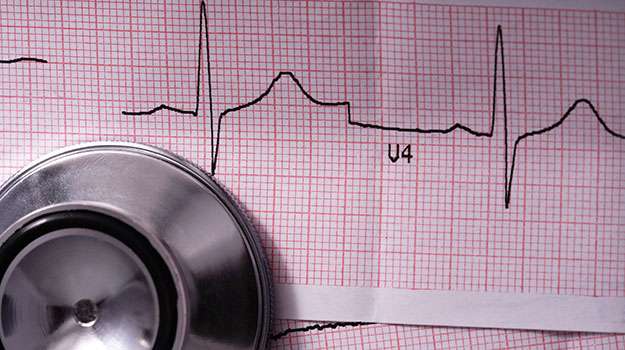
A Holter monitor is a portable device worn by patients to continuously record their heart rhythm over 24-48 hours. It captures data about any irregularities that occur throughout normal daily activities providing invaluable insights into transient arrhythmias that might not be evident during shorter ECG tests at clinics alone!
- Sufferers typically report symptoms like sporadic palpitations accompanied by dizziness which warrants closer investigation through this continuous monitoring approach designed around patient convenience whilst fully engaged in activities they enjoy!
- The necessity arises prominently when traditional testing fails thus requiring further evaluation using this non-invasive method yielding detailed information regarding cardiac episodes over selected periods accordingly optimally aligned with individual lifestyles chosen preferably!
- Diverse treatment options may emerge based on documented findings ranging from medication alterations aimed toward regaining control depending directly upon identified irregular patterns recorded precisely ensuring personalized care strategies adhere closely toward established goals achieved progressively throughout treatments initiated thereafter respectively anticipated ahead!
CARDIAC REHABILITATION
Cardiac rehabilitation is a structured program designed to improve cardiovascular health following a cardiac event such as a heart attack or surgery. This holistic approach combines physical activity with education and emotional support tailored specifically for individuals recovering from cardiac issues.
- Symptoms indicating potential need for rehabilitation include prolonged fatigue after exertion or difficulty resuming daily activities due to previous events noted above.
- The evaluation process typically involves measuring fitness levels via exercise testing along with reviewing medical history comprehensively before making recommendations for participation in rehabilitation programs.
- Treatment consists of supervised exercise sessions integrated with nutritional counseling and stress management techniques aimed at promoting overall well-being post-cardiac events.
- Mental wellness supports are also included providing psychological evaluations offering tools necessary for coping during recovery phases.
This program plays an essential role not only in physical recovery but also boosting mental resilience among participants towards healthier living post-heart incidents successfully!
TRANSESOPHAGEAL ECHOCARDIOGRAM (TEE)
A transesophageal echocardiogram (TEE) is a specialized ultrasound test that provides detailed images of the heart's structure and function. This test is particularly useful when standard echocardiograms do not provide sufficient information due to body habitus or lung interference.
- This procedure aids in diagnosing conditions such as valve problems, congenital defects, and blood clots within the heart chambers.
- Diversely affecting individuals often present with symptoms like persistent cough, unusual fatigue, or unexplained palpitations.
- The TEE test requires sedation; an endoscope is gently inserted down the esophagus near the heart for clear visualization without distortion from ribcage barriers.
- Results from this examination help guide management strategies including medical therapy or surgical considerations based on findings observed during imaging.
- Post-procedure instructions will involve rest and monitoring until sedation wears off completely prior to discharge home.
This advanced imaging technique enhances diagnostic accuracy significantly for various cardiac conditions.
ELECTROPHYSIOLOGY STUDY
An electrophysiology study (EPS) is performed to evaluate electrical signals in the heart and diagnose arrhythmias. This procedure helps determine abnormal heart rhythms and their underlying causes.
- Common symptoms of arrhythmias may include palpitations, dizziness, fainting spells, or fatigue.
- The diagnosis usually involves an electrocardiogram (ECG), Holter monitor, or exercise testing to assess heart rhythm over time.
- Treatment may involve lifestyle changes or medications; however, more severe cases could require procedures such as catheter ablation or installation of a pacemaker.
- The EPS utilizes catheters inserted into blood vessels that map out electrical pathways in the heart for accurate diagnosis.
- Afterwards, patients will receive instructions on activity restrictions and follow-up care recommendations for optimal recovery.
This study is crucial for addressing potentially dangerous arrhythmias effectively.
CORONARY ANGIOPLASTY
Coronary angioplasty is a minimally invasive procedure used to open narrowed or blocked coronary arteries. This intervention helps restore blood flow to the heart muscle, which can alleviate symptoms of angina and reduce the risk of heart attacks.
- Symptoms of coronary artery disease may include chest pain, shortness of breath, and fatigue during exertion.
- This condition is typically diagnosed through tests such as stress tests, angiograms, or CT scans that visualize the heart's blood vessels.
- Treatment options may include lifestyle modifications, medications, and surgical interventions like coronary angioplasty.
- During the procedure, a thin catheter is inserted into the artery in your wrist or groin to reach the blockage and inflate a balloon to widen the artery.
- Post-procedure, patients can expect to monitor their heart health closely while incorporating recommended lifestyle changes.
This treatment plays a pivotal role in managing cardiovascular health effectively.