
Dr Bindiya’s Ski
About Me
Dr Bindiya’s Ski
DO
Ophthalmologist
10 Years Experience
Biography
My Clinic
OPD Hours
| Monday | Morning | 10:00 AM | - | 02:00 PM |
| Evening | 06:00 PM | - | 09:00 PM | |
| Tuesday | Morning | 10:00 AM | - | 02:00 PM |
| Evening | 06:00 PM | - | 09:00 PM | |
| Wednesday | Morning | 10:00 AM | - | 02:00 PM |
| Evening | 06:00 PM | - | 09:00 PM | |
| Thursday | Morning | 10:00 AM | - | 02:00 PM |
| Evening | 06:00 PM | - | 09:00 PM | |
| Friday | Morning | 10:00 AM | - | 02:00 PM |
| Evening | 06:00 PM | - | 09:00 PM | |
| Saturday | Morning | 10:00 AM | - | 02:00 PM |
| Evening | 06:00 PM | - | 09:00 PM | |
| Sunday | Morning | 10:00 AM | - | 02:00 PM |
| Evening | 06:00 PM | - | 09:00 PM |
Treatments
Specialised care and treatments offered
CORNEAL TRANSPLANTATION
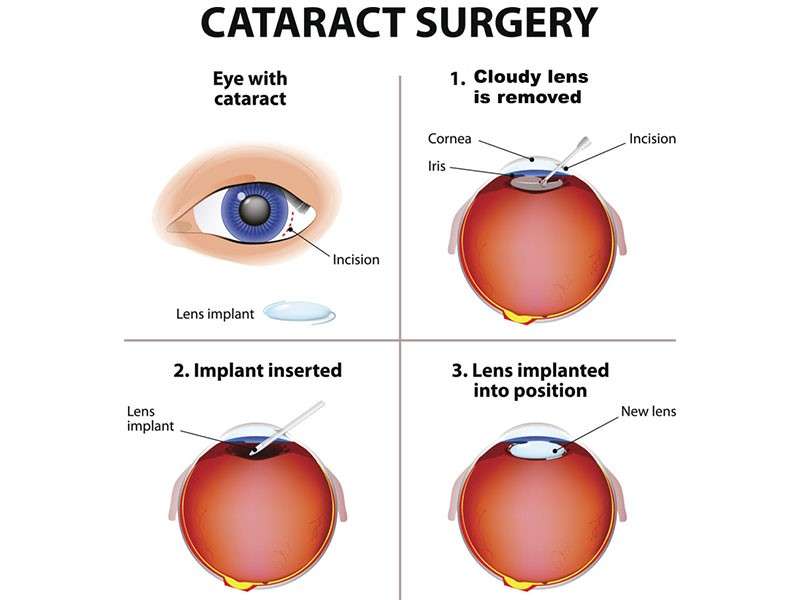
A corneal transplantation procedure is performed when damage has occurred due to disease or injury affecting clarity and function. This sophisticated surgery replaces diseased corneal tissue with healthy donor cornea making it an essential option for certain patients experiencing severe visual impairment caused by corneal conditions?
- Patients may experience persistent pain accompanied by blurry images indicating potential need; immediate evaluation follows ensuring appropriate action taken promptly。
- Diagnostic steps involve assessing corneal thickness alongside detailed imaging technologies assessing overall integrity surface.
- Transplantation types vary based on need: penetrating keratoplasty versus lamellar techniques point towards tailored approaches meeting individual challenges encountered。
- Post-transplant care becomes paramount emphasizing medication compliance along continuous monitoring reducing risks complications arising through proper follow-ups necessary after any major surgical events。
Exciting advancements promise enhanced success rates ushering renewed hope among those affected allowing windows clearer sights restored through innovative medical practices today!
PTERYGIUM SURGERY
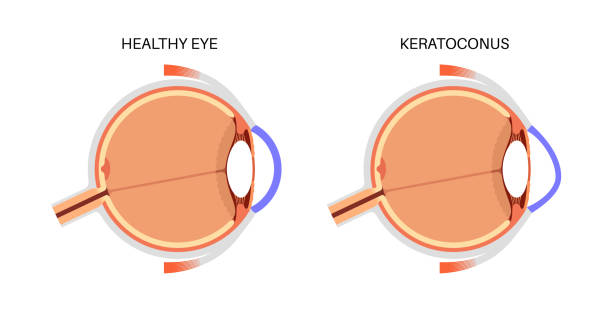
Pterygium is a benign growth of tissue on the conjunctiva that can extend onto the cornea leading to discomfort and visual disturbances. Surgical intervention may become necessary when it affects quality of life or sight significantly?
- The most notable signs are redness, irritation in the eye, or noticeable growth impacting visual clarity。
- Diagnosis involves clinical evaluation along with discussing any ocular symptoms experienced by patients。
- Surgical removal can restore clear vision while preventing recurrence under appropriate postoperative care guidelines。
- Patients often report considerable relief from discomfort post-surgery; however adherence during recovery stages remains important for optimal healing results。
Regular check-ins help ensure successful recovery while minimizing complications over time。
DIABETIC RETINOPATHY MANAGEMENT
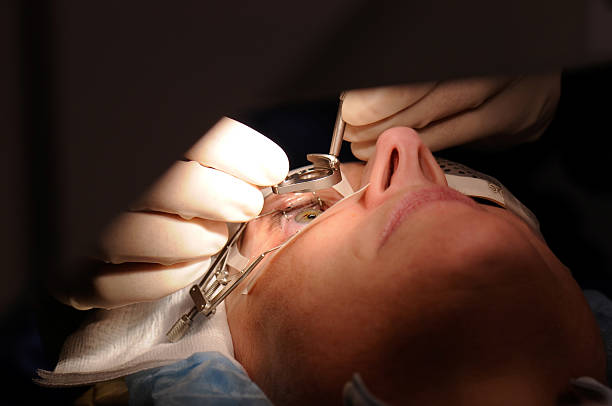
Diabetic retinopathy is a complication of diabetes that affects blood vessels in the retina. Early stages often present no symptoms but can progress rapidly without proper management. Awareness is key for diabetic patients!
- Soon after onset, blurred vision may develop alongside more advanced symptoms like dark spots or difficulty distinguishing colors.
- An annual comprehensive dilated eye exam helps detect changes early before symptoms appear significantly disrupt daily life tasks.
- Treatment methods range from laser therapy to injections aimed at stopping progression; regular follow-up care is critical for tracking improvements or changes in condition status.
An ongoing focus on diabetic control combined with ophthalmic care gives patients the best chance at maintaining their eyesight long-term.
RETINAL DETACHMENT REPAIR
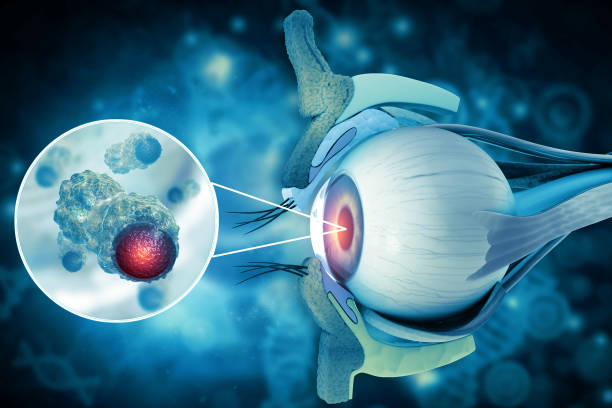
A retinal detachment occurs when the retina separates from its underlying support tissue. It requires urgent medical attention to prevent permanent vision loss. Understanding the signs of this condition can be lifesaving.
- Symptoms include sudden flashes of light, floaters in your field of vision, or a shadow creeping into your peripheral sight.
- A comprehensive retinal examination using specialized imaging techniques confirms diagnosis and assesses severity.
- Treatment options depend on the type of detachment and may involve laser surgery or vitrectomy to reattach the retina effectively.
- The recovery period varies; patients should manage activities that could strain their eyes during this time for better healing outcomes.
If detected early enough, many individuals regain full or partial vision following appropriate intervention.
GLAUCOMA TREATMENT
Glaucoma is a group of eye diseases that damage the optic nerve, often associated with elevated pressure inside the eye. Early detection is crucial because it can lead to irreversible vision loss if left untreated.
- Symptoms may be subtle initially but can include peripheral vision loss and halos around lights.
- A thorough eye examination using tonometry measures intraocular pressure to diagnose glaucoma effectively.
- Management options may include prescription eye drops, laser treatment, or surgical procedures depending on severity.
- Patient education on adherence to treatment is vital for maintaining eye health over time.
Engaging in regular check-ups allows for timely adjustments in treatment plans and aids in preserving eyesight.
CATARACT SURGERY
Cataracts are a common eye condition that occurs when the natural lens of the eye becomes cloudy, leading to blurred vision. This condition can develop gradually and is often related to aging, but may also arise from other factors such as diabetes or prolonged exposure to sunlight.
- Common symptoms include difficulty seeing at night, light sensitivity, and double vision.
- Diagnosis typically involves a comprehensive eye exam, including visual acuity tests and a slit-lamp examination.
- Treatment options vary; however, cataract surgery is highly effective and involves removing the cloudy lens and replacing it with an artificial intraocular lens.
- Most patients can expect significant improvement in their vision post-surgery, although some may experience mild discomfort during recovery.
- Regular follow-ups are essential to monitor healing and vision changes.
Timely intervention can lead to excellent visual outcomes, restoring clarity of sight for daily activities.