
Dr Bindiya Bansa
About Me
Dr Bindiya Bansa
MD
Dermatologist
10 Years Experience
Biography
My Clinic
OPD Hours
| Monday | Morning | 10:00 AM | - | 02:00 PM |
| Evening | 06:00 PM | - | 09:00 PM | |
| Tuesday | Morning | 10:00 AM | - | 02:00 PM |
| Evening | 06:00 PM | - | 09:00 PM | |
| Wednesday | Morning | 10:00 AM | - | 02:00 PM |
| Evening | 06:00 PM | - | 09:00 PM | |
| Thursday | Morning | 10:00 AM | - | 02:00 PM |
| Evening | 06:00 PM | - | 09:00 PM | |
| Friday | Morning | 10:00 AM | - | 02:00 PM |
| Evening | 06:00 PM | - | 09:00 PM | |
| Saturday | Morning | 10:00 AM | - | 02:00 PM |
| Evening | 06:00 PM | - | 09:00 PM | |
| Sunday | Morning | 10:00 AM | - | 02:00 PM |
| Evening | 06:00 PM | - | 09:00 PM |
Treatments
Specialised care and treatments offered
SKIN CANCER SCREENING
The early detection of skin cancer through screening can save lives as it allows prompt intervention before extensive damage occurs. Regular examinations enable practitioners to identify suspicious moles or lesions that could indicate malignant changes in the skin’s surface layer efficiently over time。
- Common signs requiring immediate attention may include moles changing size/color/shape、 new growths occurring after age 30、or sores not healing properly。
- A thorough dermatological evaluation involves both visual inspection及 possibly dermatoscopy which offers magnified views helping assess lesion characteristics more accurately。
- Management entails potential biopsies followed by treatment options tailored according tumor type ranging from surgery、radiation therapy、to targeted therapies depending case complexity involved。
- Annual checks are crucial especially those at higher risk factors including fair-skinned individuals、sunburn history os significant sun exposure habits。
Detecting abnormalities early increases successful treatment rates significantly thus improving overall prognosis towards recovery from malignancies observed within dermatologic domains today!
CONTACT DERMATITIS
Contact dermatitis is a localized rash caused by direct contact with irritants or allergens. This reaction can vary greatly among individuals depending upon their sensitivities. Symptoms usually develop rapidly after exposure making identification critical for effective management.
- The primary symptoms involve redness, itching, blistering or peeling after contact;
- Your healthcare provider typically performs an assessment based on patient history along with visual evaluation;
- Treatments focus on avoiding triggers identified through patch testing along with topical steroids to alleviate irritation;
- Avoidance strategies coupled with protective measures greatly enhance recovery chances from flare-ups;
Selecting suitable skincare products plays a pivotal role in preventing future occurrences of this distressing condition around sensitive areas like hands or face which often need protection from allergens encountered daily.
ACNE
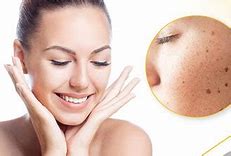
Acne is one of the most common skin conditions characterized by pimples or zits primarily affecting adolescents but also adults. The formation occurs when hair follicles become clogged with oil and dead skin cells. Hormonal changes often contribute significantly during teenage years but may persist due to other factors into adulthood.
- The main symptoms include blackheads, whiteheads, cystic lesions, and potential scarring if left untreated;
- A dermatologist will evaluate your skin's condition through physical examination along with possible hormone level testing if necessary;
- Treatment options include topical retinoids or antibiotics for mild cases while severe cases may require oral medications like isotretinoin;
- Lifestyle modifications such as regular cleansing routines can support treatment efficacy significantly
Efficacious management techniques exist which can help reduce acne outbreaks effectively while promoting clearer skin over time.
VITILIGO
Vitiligo is a long-term skin disorder that causes patches of skin to lose their pigment. The exact cause remains largely unknown; however, it may be associated with autoimmune diseases where the body's immune system attacks its own melanocytes (the cells responsible for pigmentation).
- Pigment loss typically presents as white spots on different areas of the body including face, hands, and feet.
- A dermatologist diagnoses this condition primarily through physical examination and medical history; sometimes a biopsy may be needed for confirmation.
- Treatment options include topical corticosteroids or light therapy but results can vary widely among individuals.
- Supportive measures like sunscreen use are crucial to protect depigmented areas from sun exposure.
While vitiligo poses aesthetic concerns for many people, understanding this condition can empower patients towards self-acceptance and appropriate management options.
ECZEMA (ATOPIC DERMATITIS)
Eczema, commonly known as atopic dermatitis, is an inflammatory skin condition marked by itchy and inflamed patches. It can significantly impact quality of life due to discomfort and visible skin changes. While it often begins in childhood, it can persist into adulthood or occur later in life.
- Common symptoms include intense itching, redness of the skin, and flaky or dry patches.
- The diagnosis is generally based on clinical examination; sometimes allergy tests are used to identify triggers.
- Treatment may include over-the-counter moisturizers and prescription corticosteroids for inflammation control.
- A comprehensive skincare regimen along with avoiding irritants can help manage flare-ups effectively.
Understanding eczema enables individuals to adopt strategies that promote healthier skin while managing symptoms effectively.
PSORIASIS
Psoriasis is a chronic autoimmune condition characterized by the rapid growth of skin cells, leading to scaling on the skin’s surface. This condition often appears in cycles, flaring for a few weeks or months, then subsiding for a time. It can occur anywhere on the body but is most commonly found on the elbows, knees, and scalp.
- Symptoms may include red patches of skin covered with thick, silvery scales, dryness that leads to cracking, and itching.
- A healthcare provider typically makes a diagnosis based on the appearance of the skin; sometimes a biopsy is performed to rule out other conditions.
- Treatment options range from topical therapies and phototherapy to systemic medications that affect the immune system.
- The management of psoriasis involves regular skincare routines and potential lifestyle changes to control flare-ups.
Living with psoriasis requires patience and ongoing management, but effective treatments are available to help minimize symptoms.