
Dr Bindu Sthalekar
About Me
Dr Bindu Sthalekar
Dermatologist
Biography
My Clinic
OPD Hours
| Tuesday | Morning | 10:00 AM | - | 02:00 PM |
| Evening | 06:00 PM | - | 09:00 PM | |
| Wednesday | Morning | 10:00 AM | - | 02:00 PM |
| Evening | 06:00 PM | - | 09:00 PM | |
| Thursday | Morning | 10:00 AM | - | 02:00 PM |
| Evening | 06:00 PM | - | 09:00 PM | |
| Friday | Morning | 10:00 AM | - | 02:00 PM |
| Evening | 06:00 PM | - | 09:00 PM | |
| Saturday | Morning | 10:00 AM | - | 02:00 PM |
| Evening | 06:00 PM | - | 09:00 PM | |
| Sunday | Morning | 10:00 AM | - | 02:00 PM |
| Evening | 06:00 PM | - | 09:00 PM | |
| Thursday | Morning | 10:00 AM | - | 02:00 PM |
| Evening | 06:00 PM | - | 09:00 PM |
Treatments
Specialised care and treatments offered
HYPERHIDROSIS
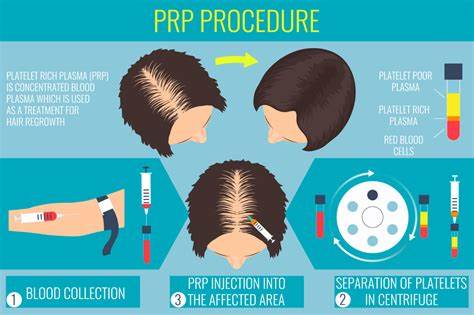
This excessive sweating condition affects many individuals without being linked directly to heat or exercise. Understanding hyperhidrosis promotes better coping mechanisms through various management strategies available today.'
- Symptoms: The primary sign includes noticeably increased sweating that occurs even during routine activities such as sitting still or resting quietly.'
- Causes: 'Possible origins span genetics accompanied by malfunctions within sweat glands not reflecting temperature regulations.'
- Diagnosis: 'Consulting dermatologists allows professionals evaluating symptom occurrences alongside potential contributing factors.'
- Treatment Options: 'Available therapies cover medicinal antiperspirants procedures targeting sweat gland disruptions; others might consider botox injections alleviating specific areas affected.'
SKIN CANCER SCREENING
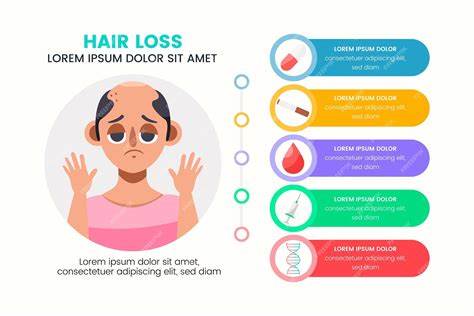
The importance of regular screenings cannot be overstated when it comes to preventing serious outcomes associated with skin cancer. Early detection significantly increases the likelihood of successful treatment outcomes.'
- Signs:Look out for new moles or changes in existing ones including asymmetry or irregular borders which could indicate potential issues.
- Risk Factors:Sun exposure is a major contributor; family history also plays an important role in susceptibility levels.
- Diagnosis:Screening typically involves visual examinations where dermatologists assess any suspicious areas thoroughly.
- Treatment Options:If abnormalities are found treatments range from surgical removal to targeted therapies depending on stage severity.
Engaging in routine screenings opens avenues for timely intervention leading towards better outcomes overall against skin cancers.
ROSACEA
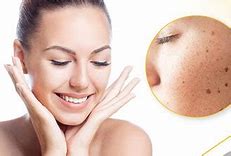
An inflammatory skin condition primarily affecting the facial area causing persistent redness. Identifying its symptoms early can help in mitigating its impact on self-esteem and social interactions.
- Main Symptoms:This includes persistent facial redness resembling blushing along with visible blood vessels; small pus-filled bumps may form as well.
- Plausible Causes:The exact cause remains unclear but genetic factors along with environmental elements such as sunlight seem influential。
- Treatment Approaches: Options often include topical solutions like metronidazole or azelaic acid along with lifestyle adjustments concerning triggering factors.
- Management:Regular monitoring is fundamental to controlling symptoms as flare-ups can occur intermittently.
With diligent care and avoiding known triggers numbers of individuals find rosacea manageable.
ACNE
A common skin issue predominantly affecting teenagers but also adults. Acne arises from clogged hair follicles leading to pimples or cysts. Understanding its causes helps in effective treatment strategies.
- Symptoms: Acne manifests as whiteheads, blackheads, pimples, or deep cysts usually appearing on the face, back, and shoulders.
- Causes: Hormonal changes during puberty can increase oil production; diet and certain medications may also contribute to acne outbreaks.
- Diagnosis: Self-assessment may suffice but consulting a dermatologist ensures tailored treatment based on severity type.
- Treatment Options: Effective treatments range from over-the-counter products with benzoyl peroxide to prescription medications like antibiotics or retinoids.
Adequate skincare routines alongside professional guidance can help manage acne effectively over time.
PSORIASIS
This chronic autoimmune condition leads to rapid skin cell production resulting in thickened patches of skin. Often visible on areas like the scalp, elbows, and knees, it is important to understand its nature for effective treatment.
- Symptoms: Symptoms include red patches covered with thick silvery scales; itching may also occur.
- Causes: Psoriasis has genetic links and can be triggered by stress, infections, or skin injuries.
- Diagnosis: Diagnosis typically involves a visual examination by a dermatologist who may also perform a biopsy if needed.
- Treatment Options: Treatments include topical treatments (steroids), phototherapy (light therapy), and systemic medications for severe cases.
- Management: Regular follow-ups are essential to monitor progress and adapt treatments as necessary.
The right approach can significantly improve the quality of life for individuals affected by psoriasis.
ECZEMA
Eczema, or atopic dermatitis, is a common skin condition characterized by inflammation, redness, and itching. This chronic disorder often appears in childhood but can persist into adulthood. Understanding the triggers and treatment options is crucial for managing flare-ups effectively.
- Symptoms: Red, itchy patches that can become inflamed or crusty; these may appear on the face, inside elbows, and behind knees.
- Causes: A combination of genetic factors and environmental triggers such as allergens, irritants, and stress contributes to eczema.
- Diagnosis: A thorough assessment of medical history and physical examination by a healthcare professional is essential for proper diagnosis.
- Treatment: Management often includes topical corticosteroids, moisturizers, antihistamines, and avoiding known triggers.
- Expectations: While eczema is manageable, it can be a recurring condition requiring ongoing care to maintain skin health.
With appropriate management strategies in place, individuals with eczema can lead comfortable lives and control their symptoms effectively.