
Dr Bipin Ghanghurde
About Me
Dr Bipin Ghanghurde
Orthopaedic Surgeons
Biography
My Clinic
OPD Hours
| Tuesday | Morning | 10:00 AM | - | 02:00 PM |
| Evening | 06:00 PM | - | 09:00 PM | |
| Wednesday | Morning | 10:00 AM | - | 02:00 PM |
| Evening | 06:00 PM | - | 09:00 PM | |
| Thursday | Morning | 10:00 AM | - | 02:00 PM |
| Evening | 06:00 PM | - | 09:00 PM | |
| Friday | Morning | 10:00 AM | - | 02:00 PM |
| Evening | 06:00 PM | - | 09:00 PM | |
| Saturday | Morning | 10:00 AM | - | 02:00 PM |
| Evening | 06:00 PM | - | 09:00 PM | |
| Sunday | Morning | 10:00 AM | - | 02:00 PM |
| Evening | 06:00 PM | - | 09:00 PM | |
| Thursday | Morning | 10:00 AM | - | 02:00 PM |
| Evening | 06:00 PM | - | 09:00 PM |
Treatments
Specialised care and treatments offered
BACK PAIN MANAGEMENT
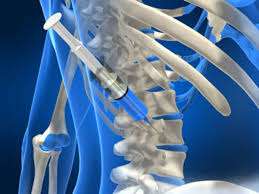
Non-specific back pain affects many individuals at some point in their lives due primarily to muscle strain rather than serious underlying conditions. Understanding its nuances aids effective resolution!
- Possible Causes : Stressful work environments combined with poor posture habits are frequent contributors leading to discomfort levels throughout day-to-day routines.
- Diagnostic Procedures : Medical professionals typically conduct comprehensive evaluations utilizing patient histories alongside physical assessments determining required next steps addressing concerns raised regarding persistent back issues.
- Therapeutic Approaches : Conservative approaches predominantly involve tailored exercise programs focused on core strength improvement coupled with physiotherapy sessions yielding positive outcomes over time frame specified by specialists involved directly assisting patients through their recovery journeys!
Understanding back pain promotes proactive management strategies leading towards healthier states benefiting overall well-being immensely!
KNEE OSTEOARTHRITIS MANAGEMENT
Knee osteoarthritis is a common degenerative disease characterized by cartilage breakdown in the knee joint. This condition leads to significant discomfort during movement!
- Symptoms : Commonly reported symptoms include swelling around the knee area along with tenderness upon touch or activity-related pains.
- Diagnosing Factors : A comprehensive evaluation including medical history assessments alongside imaging tests helps pinpoint knee osteoarthritis effectively.
- Non-surgical Treatments : Appropriate therapeutic measures include maintaining an ideal body weight coupled with targeted exercise programs aimed at strengthening surrounding muscles as well as anti-inflammatory medications when needed.
- Positive Outlooks : Adopting these protocols often leads to noticeable improvements in daily functionality within weeks or months without resorting immediately to surgical solutions.
Proper guidance on managing knee osteoarthritis promotes greater independence while fostering active lifestyles!
FROZEN SHOULDER REHABILITATION

A frozen shoulder occurs when the shoulder joint becomes inflamed and stiffened. This condition limits range of motion and causes considerable discomfort.
- Main Symptoms: Patients often describe persistent pain along with progressive loss of shoulder mobility affecting daily tasks.
- Diagnosing Methods: Diagnosis can be achieved through physical exams wherein specific movements are assessed alongside imaging studies like MRI if necessary.
- Treatment Options: Non-invasive options like physical therapy focusing on gradual stretching exercises are recommended first; corticosteroid injections may also be considered for alleviating inflammation.
- Expectations : With patience in rehabilitation efforts over several months, many regain full range of motion without surgical intervention.
Consistent dedication toward healing can yield promising results while reducing discomfort overall!
PLANTAR FASCIITIS CARE

This condition arises from inflammation of the plantar fascia—a thick band of tissue connecting your heel to your toes. It’s one of the most common causes of foot pain!
- Main Symptoms: Individuals frequently report sharp heel pain upon waking up or after prolonged periods of sitting or standing.
- Diagnosis Approach: A thorough examination combined with patient history helps determine if plantar fasciitis is present through characteristic pain patterns.
- Management Techniques: Treatment usually includes rest, ice applications, orthotic devices for arch support, stretching exercises, and nonsteroidal anti-inflammatory drugs (NSAIDs).
- Long-term Expectations: Most patients find significant relief within months with consistent care and appropriate footwear changes.
Effective management can lead to relief from symptoms and allow return to normal activities without recurring pain!
TENDINITIS TREATMENT

Tendinitis refers to the inflammation of a tendon, typically caused by repetitive motion or overuse. This condition often affects the shoulders, elbows, wrists, knees, and Achilles tendon.
- Common Causes: Activities involving repetitive motions or sudden increases in physical activity can trigger tendinitis.
- Identifying Symptoms: Pain at the site of the tendon during movement is a primary symptom; stiffness may also occur.
- Treatment Strategies: Initial management generally involves rest, ice application, anti-inflammatory medications, and gentle stretching exercises.
- Recovery Expectations: With appropriate treatment and modifications to activities, most individuals recover fully within weeks to months.
Early intervention is vital for effective recovery from tendinitis to prevent it from becoming a chronic issue.
OSTEOARTHRITIS MANAGEMENT

Osteoarthritis is a degenerative joint disease that commonly affects older adults. It leads to pain and stiffness, impacting daily activities and overall quality of life.
- Symptoms: Patients often experience joint pain, swelling, and reduced flexibility in affected areas.
- Diagnosis: A combination of physical examinations, imaging tests such as X-rays, and patient history helps confirm the presence of osteoarthritis.
- Treatment Options: Non-surgical treatments include physical therapy, weight management, pain relief medications, and lifestyle modifications for improved joint function.
- What to Expect: Following a tailored management plan can significantly reduce symptoms and enhance mobility over time.
Understanding osteoarthritis is essential in managing this chronic condition effectively and maintaining an active lifestyle.