
Dr BK Singhal
About Me
Dr BK Singhal
MBBS
Podiatrist
10 Years Experience
Biography
My Clinic
OPD Hours
| Monday | Morning | 10:00 AM | - | 02:00 PM |
| Evening | 06:00 PM | - | 09:00 PM | |
| Tuesday | Morning | 10:00 AM | - | 02:00 PM |
| Evening | 06:00 PM | - | 09:00 PM | |
| Wednesday | Morning | 10:00 AM | - | 02:00 PM |
| Evening | 06:00 PM | - | 09:00 PM | |
| Thursday | Morning | 10:00 AM | - | 02:00 PM |
| Evening | 06:00 PM | - | 09:00 PM | |
| Friday | Morning | 10:00 AM | - | 02:00 PM |
| Evening | 06:00 PM | - | 09:00 PM | |
| Saturday | Morning | 10:00 AM | - | 02:00 PM |
| Evening | 06:00 PM | - | 09:00 PM | |
| Sunday | Morning | 10:00 AM | - | 02:00 PM |
| Evening | 06:00 PM | - | 09:00 PM |
Treatments
Specialised care and treatments offered
FLATFOOT (PES PLANUS) EVALUATION
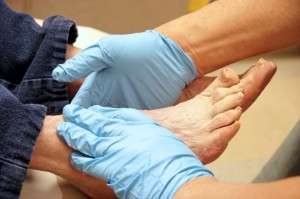
The condition known as flatfoot involves collapse or absence of the medial longitudinal arch resulting in altered foot biomechanics. Assessment helps determine functional impact guiding corrective measures where necessary.
- Description & prevalence: Many individuals have flexible flatfeet without symptoms whereas others develop pain due to strain on ligaments supporting the arch.
- The diagnostic approach: Clinical examination including weight-bearing observations complemented by imaging such as X-rays elucidate structural deviations.
- Treatment opportunities: Conservative options encompass orthotic support alongside stretching exercises; surgery remains reserved for severe symptomatic deformities not responding adequately.
- Your pathway forward: Individualized evaluation results allow timely initiation of strategies aimed at preserving foot function preventing progressive deterioration.
A comprehensive understanding gained through careful evaluation enables confident decision-making optimizing patient well-being amid structural variations affecting foot arches.
INGROWN TOENAIL MANAGEMENT
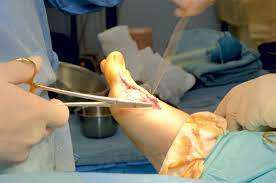
An ingrown toenail occurs when the edge of a nail grows into surrounding skin causing pain, swelling, sometimes infection. Prompt attention prevents complications improving comfort significantly.
- Causative factors & symptoms:: Improper nail trimming habits, tight footwear or trauma contribute to ingrowth accompanied by redness, tenderness around the nail border.
- Eliciting diagnosis:: Typically diagnosed through physical examination noting localized inflammation possibly complicated by drainage if infectious processes have developed.
- Treatment modalities:: Mild cases benefit from soaking protocols and protective padding while severe cases may require partial nail avulsion under local anesthesia.
- Recovery expectations: The healing process depends on severity but generally resolves within weeks post-treatment provided good foot care practices.
Caring for an affected toenail promptly minimizes discomfort preventing recurrent episodes which could otherwise impact mobility adversely.
PERIPHERAL NEUROPATHY EVALUATION
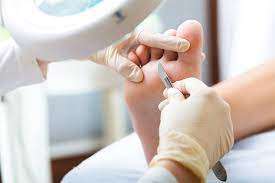
Nerve dysfunction affecting the feet can cause numbness, tingling sensations, or weakness termed peripheral neuropathy. Proper investigation aids in identifying underlying causes for appropriate management strategies.
- Clinical presentation: Symptoms include burning pain or loss of sensation predominantly in a stocking-glove distribution pattern affecting distal extremities first.
- Diagnostic techniques: Involves detailed history-taking followed by nerve conduction studies (NCS) and electromyography (EMG) alongside blood tests assessing metabolic factors like diabetes status or vitamin deficiencies.
- Treatment pathways: Addressing reversible causes combined with medications such as neuropathic pain agents enhances quality of life; physical therapy also plays a role in function preservation.
- The patient journey: Early diagnosis helps limit disease progression; ongoing monitoring ensures therapeutic adjustments as needed over time.
A thorough neurological evaluation is critical for effective symptom control in patients presenting with sensory abnormalities of the feet.
BIOMECHANICAL GAIT ANALYSIS
The way we walk significantly impacts foot health; biomechanical gait analysis helps identify abnormalities that contribute to pain or injury. This diagnostic technique provides valuable insights into movement patterns.
- Spectrum of concerns: Abnormal gait mechanics can result from structural deformities, muscle weakness, or neurological conditions leading to compensatory injuries.
- Evaluation methods: Utilizes video capture systems combined with force plates and pressure sensors to quantify joint angles, loading patterns, and timing during walking.
- Treatment implications: Findings guide custom orthotic prescriptions, targeted physiotherapy programs, or surgical considerations if necessary.
- User expectations: The procedure is non-invasive with immediate feedback available; interventions designed can improve comfort and function over time.
This analysis empowers tailored treatment plans improving long-term outcomes for individuals experiencing foot-related difficulties linked to gait abnormalities.
DIABETIC FOOT ULCER ASSESSMENT
Foot ulcers are a serious complication in diabetic patients requiring prompt and comprehensive assessment to prevent infection and further tissue damage. Regular evaluation is crucial for early detection and management.
- Symptoms and risk factors: Ulcers may present as open sores or wounds often unnoticed due to peripheral neuropathy; risk increases with poor glycemic control and vascular disease.
- Diagnostic process: Thorough foot examination includes inspection for skin breakdown, sensation testing using monofilament tools, and vascular assessment via Doppler ultrasound.
- Treatment strategies: Management involves wound care dressing changes, pressure offloading techniques, antibiotic therapy if infected, and maintaining optimal blood sugar levels.
- Expected progression: Healing varies widely; multidisciplinary care enhances chances of avoiding complications such as amputation.
A systematic approach focused on prevention and early treatment is essential for safeguarding foot health in diabetes mellitus patients.
PLANTAR FASCIITIS
Plantar fasciitis is a common cause of heel pain that affects many individuals, especially those with active lifestyles or occupations that require prolonged standing. It arises from inflammation of the plantar fascia, a thick band of tissue connecting the heel to the toes.
- Symptoms and causes: Patients often experience stabbing pain near the heel, particularly with the first steps after waking up or after extended rest periods. Risk factors include overuse, obesity, and improper footwear.
- Diagnosis: Diagnosis primarily involves clinical evaluation supplemented by imaging such as ultrasound or MRI to rule out other causes.
- Treatment options: Conservative measures like stretching exercises, orthotic devices, anti-inflammatory medications, physical therapy, and shockwave therapy are common approaches.
- What to expect: Most patients see gradual symptom relief with consistent treatment; however, recovery can take several weeks to months depending on severity.
Early intervention and adherence to prescribed therapies enhance outcome chances and reduce chronic discomfort associated with this condition.